
Top 10 Common Home Inspection Findings Every Buyer Must Know
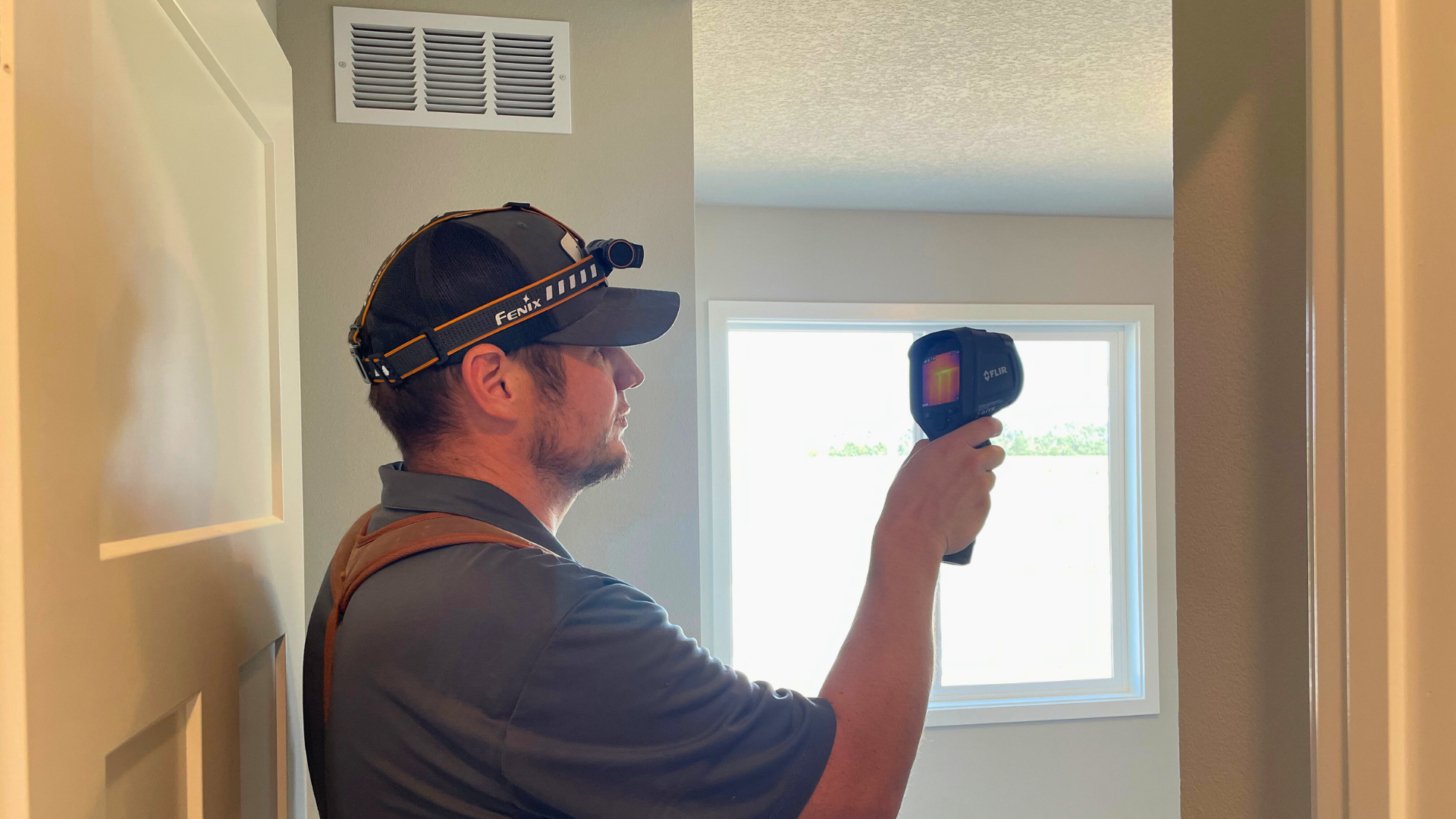
When buying a home, understanding common home inspection findings is essential. Inspectors often identify issues that could affect your decision. Assessing the home's structure is especially important, as problems with the home's structure—such as foundation movement—can impact doors, windows, and the overall stability and safety of the property. Among the most common issues found during home inspections are roofing problems, such as missing shingles, leaks, and poor installation, which can lead to costly repairs if not addressed promptly. These findings are detailed in the home inspection report, a comprehensive document that helps guide your decisions as a buyer or seller. Many home buyers opt to negotiate repairs or financial concessions based on the home inspection report findings. Here are the top 10 findings you need to know.
Introduction to Home Inspection
A home inspection is your all-access pass to understanding what’s really going on behind the walls, under the floors, and above the ceiling of your potential new home. Think of it as a thorough checkup for the property, performed by a certified home inspector who knows exactly where to look for trouble. During a home inspection, the inspector examines the home’s structure and systems—everything from the roof structure and foundation to plumbing issues, electrical deficiencies, and more.
The main goal? To give buyers a clear, unbiased picture of the home’s condition before they sign on the dotted line. This means identifying any concerning structural issues, such as abnormal foundation cracks or uneven floors, as well as plumbing issues or roof problems that could lead to costly repairs down the road. If the inspector spots something concerning—like a sagging roof or suspicious cracks in the foundation—they may recommend further evaluation by a structural engineer for a more in-depth assessment.
Home inspections are a crucial step in the home buying process, helping buyers avoid unpleasant surprises and make informed decisions. Whether you’re a first-time buyer or a seasoned real estate pro, a comprehensive inspection can save you from headaches (and expensive repairs) later on.
Role of Home Inspectors
Home inspectors are the unsung heroes of the home buying process, acting as your eyes and ears when it comes to uncovering hidden issues in a property. Their job is to conduct a meticulous examination of the home’s structure, systems, and components—including the crawl space, foundation walls, and roof—using their expertise and specialized tools to spot potential problems.
A home inspector will look for everything from structural damage and faulty wiring to plumbing issues and safety concerns like missing carbon monoxide detectors or the presence of lead paint. They’ll crawl into tight spaces, climb into attics, and check every nook and cranny to ensure nothing is overlooked. Most inspectors will check for Polybutylene pipes, which are known to have higher rates of leaks compared to newer materials. After the inspection, they provide a detailed inspection report outlining their findings and recommendations for repairs or further evaluation. If they uncover significant structural concerns, they may suggest bringing in a structural engineer to assess the home’s structural integrity and provide an expert opinion.
Home inspectors also play a key role in identifying safety concerns and helping buyers understand what needs immediate attention versus what can be addressed over time. Their thoroughness and attention to detail give buyers peace of mind and a solid foundation for making decisions during the home buying process.
Understanding Home Inspections
For many buyers, the idea of a home inspection can feel overwhelming—but it doesn’t have to be! A home inspection is simply a comprehensive review of the property’s exterior, interior, and all major systems, including the HVAC system, plumbing, and electrical. The inspector will also take a close look at the foundation, roof, and key structural elements like floor joists and any concerning foundation cracks.
During the inspection, the home inspector is on the lookout for everything from minor damage and insufficient insulation to more serious issues like water intrusion, poor drainage, or safety hazards. The findings are compiled into an inspection report, which details any defects or concerns—big or small. This report is a valuable tool for buyers, helping you negotiate with the seller, prioritize repairs, or even deciding if the home is right for you.
A good home inspection can also reveal construction issues that might not be obvious at first glance, such as poor drainage around the foundation or hidden water damage. By understanding what to expect from the inspection process, buyers can approach the home buying journey with confidence, knowing they have the information needed to make smart, informed decisions.
Key Takeaways
Your roof is like a superhero cape for your home—keep it well-maintained, or it might become a leaky disaster movie.
Old plumbing can turn your home into a waterpark, but not the fun kind—get those leaks checked before you’re swimming in your living room!
Even brand new homes need a little TLC; just because it’s shiny doesn’t mean it’s flawless—trust us, inspectors are not just looking for dust bunnies!

Preparation and Expectations
Getting ready for a home inspection is a crucial step in the home buying process, whether you’re a first-time buyer or a seasoned real estate pro. A home inspection is a comprehensive evaluation of a property’s condition, performed by a certified home inspector who checks everything from the foundation and roof to the plumbing, electrical, HVAC systems, and water heater. The resulting inspection report gives home buyers a full picture of the property’s strengths and any areas of concern, helping you make an informed decision before closing the deal. Home inspectors provide a written summary of the inspection and should inform and explain to a client everything they find and respond to any questions.
For sellers, preparation is key. Make sure all areas of your property are accessible—unlock doors, gates, and especially those tricky crawl spaces and attics. Clear away clutter so the inspector can easily reach important systems and structural elements. Having maintenance records and repair receipts on hand can also help demonstrate that you’ve taken good care of your home, which can put buyers at ease and speed up the process.
Buyers should plan to attend the inspection if possible. This is your chance to walk through the property with the home inspector, ask questions, and see firsthand any issues that are uncovered. Pay close attention to the inspection report, especially when it comes to major issues like structural damage, concerning foundation cracks, uneven floors, faulty wiring, or water stains that could signal water damage. If the report reveals significant concerns—such as structural issues or safety hazards—it’s wise to consider further evaluation by a structural engineer or other specialist. Their expert opinion can help you determine the best course of action, whether that’s negotiating repairs, requesting a price reduction, or, in some cases, walking away from the deal. Buyers can also request the seller to complete repairs or offer a credit toward closing costs based on inspection findings.
It’s important to remember that no home is perfect, and most inspection reports will include a list of minor issues or deferred maintenance items. Common signs in older homes, like insufficient insulation or outdated wiring, are to be expected, but major red flags should never be ignored. Replacing outdated electrical panels can cost an average of $2,400. Your real estate agent can be an invaluable resource during this process, helping you interpret the inspection report, negotiate with the seller, and connect you with trusted professionals for repairs or further evaluation.
By understanding what to expect and preparing accordingly, both buyers and sellers can ensure a smoother, less stressful home inspection experience. Being proactive about access, documentation, and communication helps everyone involved get a clear understanding of the property’s condition—so you can move forward with confidence, knowing you have the full picture before making one of life’s biggest investments. Water damage can affect all parts of the home and cause significant repairs if left unchecked.
Roofing Problems and Maintenance
The roof is your home’s first line of defense against the elements, and it endures a lot. Common roofing problems include loosened or broken shingles, exposed nail heads, and incorrect flashing. Regular inspections can identify issues like leaks and shingle damage before they escalate into more significant problems. Think of it as a wellness check-up for your roof.
Neglecting roof maintenance can lead to potential water damage to the wood roof structure and structural elements in the attic. Regular check-ups can help spot these issues early and save you a bundle in future repairs.
Plumbing Issues
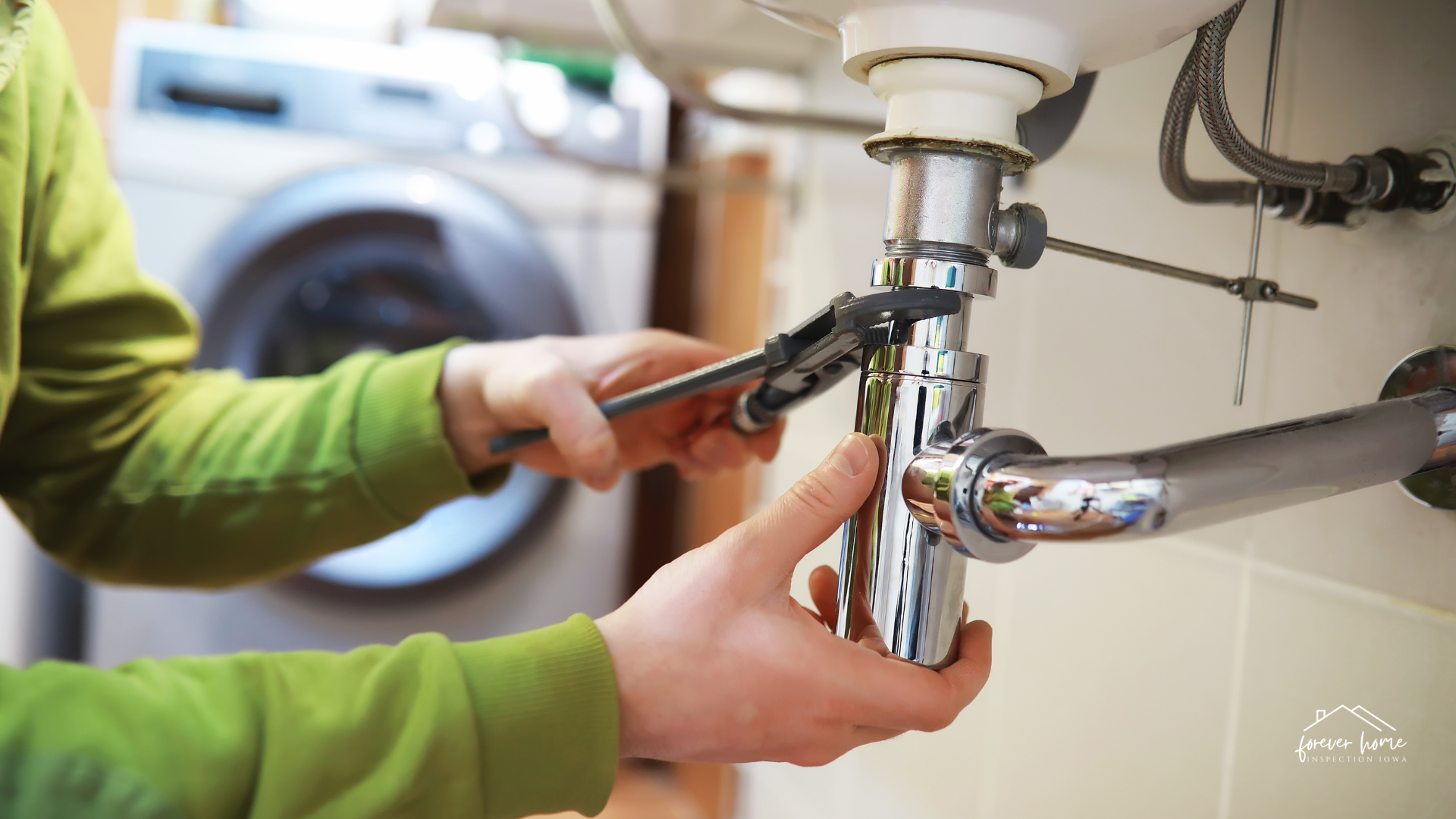
Plumbing issues are some of the most common problems found during home inspections. From minor leaks like those from a loose hose or dripping faucet to more significant concerns, these issues can escalate if not addressed promptly. A home inspector can identify these sneaky leaks before they turn into a waterfall in your living room.
During a plumbing inspection, the water heater is also carefully examined for safety hazards, proper installation, and functional deficiencies. Problems with the water heater can pose safety risks, reduce the home's value, or cause potential damage if not properly maintained.
Older homes often come with outdated piping systems like cast iron and galvanized piping, which are prone to rust and corrosion. The infamous Polybutylene pipes, prevalent from 1978 to 1994, are known for their frequent leaks. If your dream home has these pipes, consult a specialist.
Leaking faucets and old plumbing systems can lead to significant issues. Consulting a plumbing specialist for serious concerns can provide a detailed assessment and recommend necessary repairs. A little attention now can prevent a flood of problems later.
Electrical Deficiencies
Older homes often come with a host of electrical issues, including faulty wiring and outdated wiring systems. Knob-and-tube wiring, common in homes built before the 1940s, lacks modern safety features and can raise risks of shocks and fires. Inspecting the electrical panel is essential, as outdated or faulty panels can present significant safety hazards and may not meet current insurance requirements. Aluminum wiring deteriorates faster than copper wiring, increasing the risk of overheating and potential fire hazards. These are not the sparks you want flying in your new home.
Common electrical issues and safety measures include:
Overloaded circuits: Too many devices connected to a single circuit can lead to overheating and safety hazards.
Ungrounded outlets: Especially risky in moisture-prone areas as they increase the risk of electric shocks.
GFCI outlets: Installed in wet areas to prevent electrical shocks by shutting off power during faults.
Faulty or outdated circuit breakers can pose fire risks and damage electrical appliances. Water damage can exacerbate these risks, leading to short circuits where water meets wiring. Addressing electrical deficiencies promptly is crucial for safety.
Structural or Foundation Issues
Structural or foundation issues can be a homeowner’s worst nightmare. Signs of these foundation issue include:
Sloping floors
A door that sticks or is out of plumb
Concerning cracks
Uneven floors
These aren’t just quirks; they’re red flags for potential structural damage and structural defects, providing a full picture of the issues at hand that concerned many experts. These signs often indicate underlying foundation problems that require prompt attention.
Compromised wooden floor joists and soil composition, like expansive clay, can lead to wall cracks, foundation cracks, and uneven floors. Inspecting foundation walls for cracks, bowing, or deterioration is essential, as these issues can compromise the stability of the property. Home inspectors are trained to identify these structural or foundation issues to help prevent costly future damage. If foundation problems are detected, foundation repair may be necessary, and costs can vary significantly depending on the extent of the damage. Home inspectors often recommend hiring a structural engineer for further evaluation of structural concerns.
HVAC System Malfunctions
Common HVAC issues include inefficient operation, improperly installed ductwork, and aging units. Air conditioning is a crucial part of the HVAC system, and it should be regularly inspected to ensure it is functioning properly and efficiently. Inspectors will evaluate the heat exchanger of HVAC systems to ensure proper operation and safety. If your HVAC system frequently cycles, it might be a sign of underlying efficiency problems. Strange noises from HVAC units can signal mechanical issues that need attention. HVAC units generally have a lifespan of 15 to 25 years, depending on maintenance and care.
Common issues that affect HVAC system performance include:
Blocked ducts, which can lower airflow and result in uneven heating or cooling.
Clogged air filters, which hinder airflow and lead to inefficiency.
Malfunctioning thermostats, which can throw off the entire operation of your HVAC system.
Common HVAC issues and maintenance tips include:
Refrigerant leaks can reduce cooling efficiency and lead to compressor failure.
Dirty coils can decrease efficiency and cause overheating.
Keeping outdoor units clear of debris is essential for maintaining proper airflow.
Water Damage and Mold Growth
Water damage can stem from various sources, including roofing problems, plumbing leaks, and poor drainage. Improper gutters can redirect water towards the foundation, exacerbating water intrusion risks. Home inspectors will notify the buyer about the presence of insufficient drainage systems or improper gutters that may be overflowing or not large enough.
Ice dams caused by improper insulation and ventilation can also lead to significant water damage. Water damage can result in structural integrity issues, wood rot, and mold growth. Neglected maintenance may lead to noticeable stains on walls and ceilings. Moisture detectors are essential tools used by inspectors to identify hidden dampness. Additionally, water damage can create an environment that allows pests to thrive.
Water stains on ceilings and damp spots in attics indicate potential water issues, including standing water. Addressing flashing failures around chimneys and vents can prevent significant leaks. Regular attic ventilation helps prevent moisture issues and extends the lifespan of your roof.
Pest Infestations
Termites, in particular, can lead to significant damage to a house. Mud tubes along the exterior walls are indicative of termite activity. Fine sawdust near wooden structures often points to wood-boring insects like termites, which can create small holes in the wood. Visual signs of pests such as termites should be evaluated during a home inspection due to potential extensive damage.
Hollow-sounding wood when tapped may suggest termite presence within. Key points to consider include:
Moisture and wood contact with the ground are conditions that lead to termite infestations.
The average cost range of termite remediation can be between $1,000 to $10,000.
Regular inspections can identify these issues early and save you from costly repairs.
Safety Concerns
Home inspectors look for tripping hazards and ensure safety devices like smoke alarms and carbon monoxide detectors are installed. Certain states require home inspection reports to highlight immediate health and safety risks to protect occupants. Inspectors are ethically bound to disclose imminent hazards to all relevant parties, including homeowners and potential occupants. Home inspectors check for tripping hazards like cracks in driveways or steps into the house, which are usually easy to fix. Identifying lead paint is especially important during inspections of homes built before 1978, as proper remediation or mitigation is required to meet safety standards. Many older homes may have no carbon monoxide detectors or are missing the right amount of smoke detectors.
Deferred Maintenance
Deferred maintenance is like the ghost of home repairs past—it always comes back to haunt you. A sagging floor may indicate underlying structural issues or deterioration of support systems. Poor drainage around a home is a common issue that can result from deferred maintenance.
Insulation problems can arise from deferred maintenance, leading to energy inefficiency and increased utility bills. Insufficient insulation and ventilation can increase energy costs and affect comfort levels in a home. Deferred maintenance can lead to high costs for repairs if not addressed promptly.

New Construction Inspection Findings
Many buyers wrongly assume that most buyers of newly constructed homes do not need inspections. Building code inspectors focus on specific building codes, which may leave other issues unexamined. Even newly constructed homes can have issues that need to be identified through thorough inspections.
Common issues found in new constructions include material defects and improper installations. A real estate agent often recommends a thorough home inspection to ensure everything is up to par for home buyers during the home buying process. An independent home inspector should evaluate your new home to catch any potential problems before they become costly repairs.
Material Defects and Repairs
Material defects are the hidden troublemakers lurking behind the walls, under the floors, and sometimes right in plain sight—waiting to surprise unsuspecting home buyers. These defects can range from minor annoyances to major issues that threaten the safety, comfort, and value of your property. That’s why a thorough home inspection is a non-negotiable step in the home buying process. Home inspectors are trained to spot these red flags, giving you a clear inspection report that highlights any concerns before you sign on the dotted line.
So, what exactly counts as a material defect? Think of anything that could impact the structural integrity, safety, or livability of the home. Common signs include water stains on ceilings (a telltale sign of water intrusion or roof structure problems), uneven floors (which could point to foundation issues or structural damage), and small holes in walls or ceilings (sometimes a clue to pest activity or previous repairs gone wrong). Outdated wiring and overloaded circuits are electrical deficiencies that not only pose safety hazards but can also be costly to fix. Plumbing issues, like persistent leaks or corroded pipes, can lead to mold growth and poor drainage, further complicating matters.
When a home inspection uncovers these material defects, the next step is to determine the best course of action. For structural issues—such as concerning cracks in foundation walls, sagging floor joists, or damage in the crawl space—a structural engineer may be called in for a more detailed structural inspection. Their expert opinion can help you understand the extent of the problem and what repairs are needed to restore the home’s structural elements and ensure safety.
Plumbing issues and electrical deficiencies often require licensed professionals to assess and repair. Whether it’s replacing outdated wiring, fixing overloaded circuits, or addressing faulty plumbing, prioritizing these repairs is crucial for your safety and peace of mind. Mold growth, often the result of poor drainage or water intrusion, may require a mold remediation expert to ensure your new home is healthy and safe.
The home inspection report is your roadmap for repairs. It outlines all the material defects found during the inspection, helping you and your real estate agent decide how to proceed. Sometimes, you can negotiate with the seller to complete repairs or offer credits at closing. In other cases, you may need to factor the cost of repairs into your offer or budget for post-purchase improvements.
Material defects aren’t just a concern in older homes—new construction can have its own set of problems if builders cut corners or use subpar materials. That’s why even brand-new homes benefit from a thorough inspection by a certified home inspector. Your real estate agent can help you navigate negotiations with the builder or seller to address any issues uncovered.
In short, material defects are a serious concern, but with a comprehensive home inspection, expert evaluations, and a clear plan for repairs, you can tackle these challenges head-on. By focusing on safety concerns and major issues first, you’ll be well on your way to a secure and successful home buying process—no surprises, just peace of mind in your new property.
Inspection Report and Findings
The inspection report is your home buying playbook—a detailed document that captures everything the home inspector discovered during their visit. This report includes descriptions of the home’s condition, highlights any defects or issues, and offers recommendations for repairs or further evaluation. If the home inspector finds major issues, such as foundation problems or overloaded circuits, they may suggest consulting a structural engineer for a deeper dive.
Buyers should review the home inspection report carefully, asking questions about anything that’s unclear. The report can also flag safety concerns, like standing water in the crawl space or outdated electrical systems, and provide guidance on how to address them. This document is a powerful negotiation tool, allowing buyers to request repairs, ask for credits, or even reconsider the purchase if major concerns arise.
A thorough inspection report, prepared by a qualified home inspector, ensures you have a clear understanding of the property’s strengths and weaknesses. If significant issues are found, don’t hesitate to seek further evaluation from a structural engineer or other specialists. With the right information in hand, you can prioritize repairs, plan for maintenance, and move forward with confidence in your home buying journey.
Summary
In summary, home inspections are a vital part of the home buying process. They reveal roofing problems, plumbing issues, electrical deficiencies, structural or foundation issues, HVAC system malfunctions, water damage and mold growth, pest infestations, safety concerns, deferred maintenance, and even issues in new construction homes. These findings can significantly impact the home sale process, influencing negotiations between buyers and sellers and determining the final terms of the transaction. Addressing these common issues found during inspections can save you from a world of trouble and expense down the line.
So, before you seal the deal on your dream home, make sure you get a thorough home inspection. It’s an investment in your future peace of mind. Happy house hunting!

Home Inspectors Serving Iowa
Forever Home Inspection Iowa is a local, certified, and insured company emphasizing ethics and client care. Built on love and loyalty, we ensure every inspection is thoroughly done, which accompanies a highly detailed, digital report and warranty.
Primarily serving homebuyers and sellers within 60 miles of the Des Moines, Iowa area, we’re flexible and purposeful in meeting client needs.
Our team operates throughout Central Iowa, ensuring quality inspection services in areas all around the Des Moines metro.
We serve both urban and rural Iowa communities, providing top-notch inspections for both residential and commercial properties.
Our services include surrounding communities like Polk City, Madrid, and others in the region.
Our commitment to comprehensive, dependable inspections extends throughout Central Iowa, ensuring all residents have access to quality inspection services.
We continually strive to meet the diverse needs of Iowan homebuyers and sellers, maintaining excellence in home inspections and helping our fellow citizens across Central Iowa make informed real estate decisions!
How to Schedule Your Home Inspection
Scheduling a home inspection with Forever Home Inspection Iowa is easy. Book your inspection with a phone call or online. Many clients and real estate agents praise our team’s responsiveness and the ease of scheduling through our website.
Not only are we experts our field, but all of our qualifying inspections include a free warranty for even more peace of mind in your homebuying journey. We are confident you will LOVE partnering with us!
After scheduling, you’ll receive an email with a link to a custom inspection portal containing all important documents and payment options. Expect your inspection to last between two to four hours, depending on your property’s size and condition. It’s a seamless process designed with your convenience at the forefront.
Reviews From Happy Homebuyers

Matt and Kalyn Gibson, owners of Forever Home Inspection Iowa
Frequently Asked Questions
Why is a home inspection important?
A home inspection is like a first date for your house—it reveals all the potential deal-breakers before you commit! Without it, you might end up with pricey surprises that make you scream, “What have I done?”
What are common signs of roofing problems?
If your roof looks like it threw a tantrum and is sporting loosened shingles, exposed nails, or flashings gone rogue, it might just be time for a repair party! Don't let your roof throw a fit—check those signs!
Are plumbing issues common in older homes?
Absolutely! If your home is older than your grandma, expect plumbing issues to pop up like surprise party guests—rusty pipes just love crashing the party!
Why should new construction homes be inspected?
New construction homes need inspections because even the best builders can have an off day—think of it as getting a second opinion on that questionable haircut. You wouldn't want to move in and discover your dream home has a secret talent for leaking rooftops, would you?
What are the risks of not addressing deferred maintenance?
Ignoring deferred maintenance is like pretending your leaking roof will magically fix itself—eventually, you’ll need a lifeboat rather than just a bucket! Tackle those repairs before they turn your home into a money pit!
Want More?
Check out other posts we’ve written.