
The Complete Homeowner Checklist Maintenance Guide
Introduction to Home Maintenance
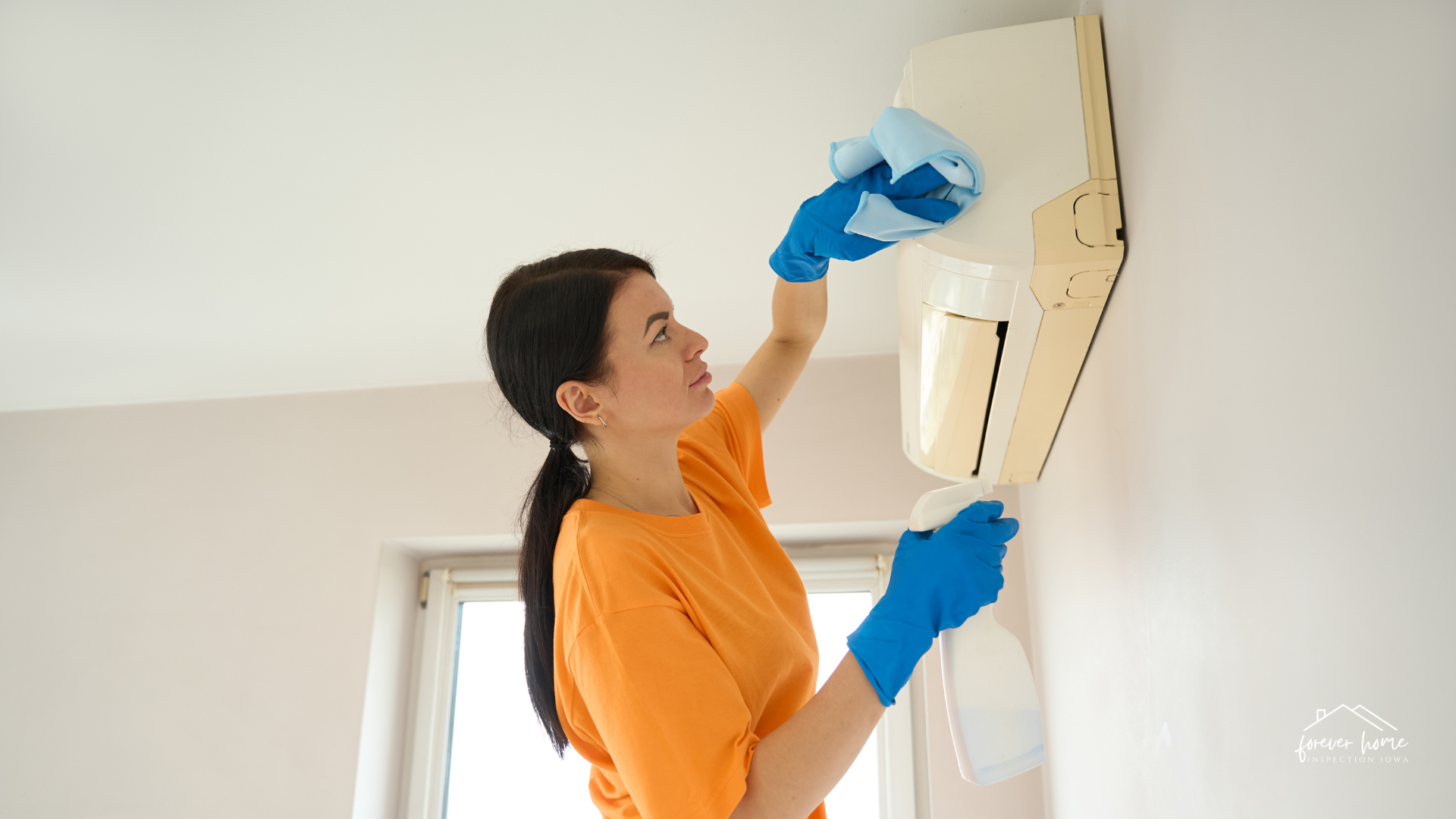
Home maintenance is the foundation of protecting your most valuable asset—your home. By following a comprehensive home maintenance checklist, you can stay ahead of potential issues, safeguard your investment, and avoid the stress of unexpected, costly repairs. Regular maintenance tasks, such as inspecting major home systems like your HVAC system, water heater, and plumbing system, are essential for keeping everything running smoothly. Not only does this proactive approach help you save money by catching small problems early, but it also ensures your home remains safe, comfortable, and retains its value over time. Whether you’re tightening a loose faucet or scheduling a professional inspection, every maintenance task you complete contributes to the long-term health of your home and helps prevent expensive repairs down the road.
Key Takeaways
Every year, homeowners spend thousands on repairs that could have been prevented with proper maintenance. Your home is likely your largest investment, yet many homeowners unknowingly damage its value by neglecting essential maintenance tasks. The difference between a well-maintained home and a neglected one can mean tens of thousands of dollars in value and repair costs over time. Homeowners can expect to spend 1-4% of their home's value on maintenance each year, depending on the age and condition of the property.
This comprehensive home maintenance checklist will guide you through every essential task needed to protect your investment. From monthly safety checks to annual deep maintenance, you’ll learn exactly what to do, when to do it, and how much to budget for keeping your house in tip top shape. Not only does this proactive approach help you save money by catching small problems early, but it also ensures your home remains safe, comfortable, and retains its value over time. Following a monthly home maintenance checklist can also help you save time by streamlining tasks and making inspections more efficient.
Why Home Maintenance Matters More Than You Think
Understanding the true value of regular home maintenance goes far beyond simple upkeep. The financial impact of preventative care versus reactive repairs creates a compelling case for establishing a consistent home maintenance routine. Most homeowners are reactive and not proactive when it comes to home maintenance, which often leads to higher costs and more significant issues over time.
Average cost savings: Preventative maintenance costs $1 for every $4-5 saved in major repairs
This dramatic cost difference makes maintenance one of the best investments you can make in your property. When you inspect major home systems regularly, small issues get caught before they become expensive problems that feel overwhelming.
Home value protection: Well-maintained homes retain 95% of their value vs. 85% for neglected properties
The real estate market consistently rewards homeowners who maintain their properties. A well-documented maintenance history demonstrates to potential buyers that major home systems have been cared for properly, reducing their perceived risk and increasing your home’s market appeal.
Insurance benefits: Many insurers offer discounts for documented maintenance routines
Insurance companies understand that proactive homeowners file fewer claims. By maintaining records of your home maintenance tasks, including regular inspection of your electrical systems and HVAC system, you may qualify for premium discounts that save money year after year.
Energy efficiency: Regular maintenance can reduce utility bills by 10-30%
Simple tasks like replacing air filters monthly and cleaning your air conditioning system can dramatically improve efficiency. When your HVAC system works properly, it uses less energy to maintain comfortable temperatures, directly impacting your monthly utility costs.
Safety considerations: Proper maintenance prevents carbon monoxide leaks, electrical fires, and structural failures
The most important reason for consistent maintenance isn’t financial—it’s protecting your family. Regular testing of smoke and carbon monoxide detectors, along with professional inspection of electrical systems, helps prevent dangers from fire and gas leaks that could threaten lives.
Creating a Home Maintenance Routine
Establishing a home maintenance routine is key to keeping your house in tip top shape year-round. By scheduling regular maintenance tasks—monthly, seasonally, and annually—you can ensure that all your home’s systems and components are working properly. Start by setting reminders for essential tasks like replacing air filters, inspecting your garage door opener, and checking the expiration date on fire extinguishers. Don’t forget to include outdoor chores, such as cleaning gutters and downspouts and inspecting outdoor faucets, to prevent water damage and maintain your home’s exterior.
A well-structured home maintenance routine should also include inspecting major home systems, such as your HVAC system, water heater, and plumbing system. Regularly checking these systems helps you spot issues before they escalate into costly repairs. For example, making sure your garage door operates smoothly and your air filters are clean not only improves air quality but also extends the life of your equipment. Regular inspection of plumbing includes checking for leaks under sinks and around toilets, and flushing the water heater to remove sediment. By staying consistent with your maintenance schedule, you’ll reduce the risk of frozen pipes in winter, keep your home safe with up-to-date fire extinguishers, and ensure your home is always ready for whatever the seasons bring.
Monthly Maintenance Checklist
Establishing monthly tasks creates the foundation of your home maintenance routine. These important home maintenance tasks take minimal time but provide maximum protection against major problems.
Test all smoke detectors and carbon monoxide detectors (replace 9V batteries twice yearly)
Safety should always be your first priority. Push the test button on each smoke detector and carbon monoxide detector monthly to ensure they’re working properly. Replace batteries in spring and fall when you adjust clocks for daylight saving time. Modern detectors will chirp when batteries are low, but don’t wait for this warning.
Replace HVAC air filters (standard 1” filters monthly, pleated filters every 3 months)
Dirty air filters restrict airflow and force your heating and cooling system to work harder, reducing efficiency and lifespan. Check filters monthly and replace when they appear dirty or clogged. This simple task improves air quality while protecting expensive equipment.
Check garbage disposal by running cold water and grinding ice cubes to clean blades
Your garbage disposal needs regular cleaning to prevent odors and clogs. Run cold water while operating the disposal, and occasionally grind ice cubes to clean the blades. Pour a mixture of baking soda and white vinegar down the drain monthly for deep cleaning.
Inspect under sinks for leaks, checking both supply lines and drain connections
Water damage can be devastating and expensive. Check under every sink monthly for signs of leaks, water stains, or dampness. Look at both the supply lines bringing water in and the drain pipes taking water out. Address any leaks immediately to prevent major water damage.
Run water in rarely used fixtures (guest bathrooms, basement sinks) to prevent trap seal evaporation
Plumbing traps contain water that prevents sewer gases from entering your home. If fixtures aren’t used regularly, this water evaporates, creating health hazards and unpleasant odors. Run water in unused sinks, tubs, and floor drains monthly to maintain proper seals.
Check automatic garage door balance and safety reverse feature
Test your garage door opener monthly by disconnecting the automatic opener and manually lifting the door halfway. It should stay in place without assistance. Also test the safety reverse feature by placing a board under the closing door—it should immediately reverse direction when it hits the obstruction.
Inspect stairway handrails and balusters for loose connections
Loose handrails create serious safety hazards. Check all stairway railings monthly by applying firm pressure to test stability. Tighten any loose screws or bolts immediately, and consider professional repair if you find structural damage.
Clean range hood filters and check exhaust fan operation
Kitchen exhaust systems remove grease, smoke, and odors from your home. Remove and wash grease filters monthly, and ensure the exhaust fan operates at full power. Poor ventilation can lead to moisture problems and decreased air quality throughout your home.
Check and replace water filters in appliances such as refrigerators to ensure clean water and proper appliance function.
Seasonal Maintenance Schedule
Seasonal home maintenance ensures your home is prepared for changing weather conditions and varying demands on major home systems. Each season presents unique challenges and opportunities for preventative care. Cleaning out gutters each spring and fall is an important seasonal maintenance task, as it prevents water damage and ensures proper drainage. As part of your homeowner checklist maintenance, make it a habit to walk around and inspect your home's exterior for any signs of damage or issues that need attention.
Spring Maintenance Tasks (March-May)
Spring represents renewal and preparation for the active outdoor season. This is prime time to address winter damage and prepare your home’s exterior for warm weather.
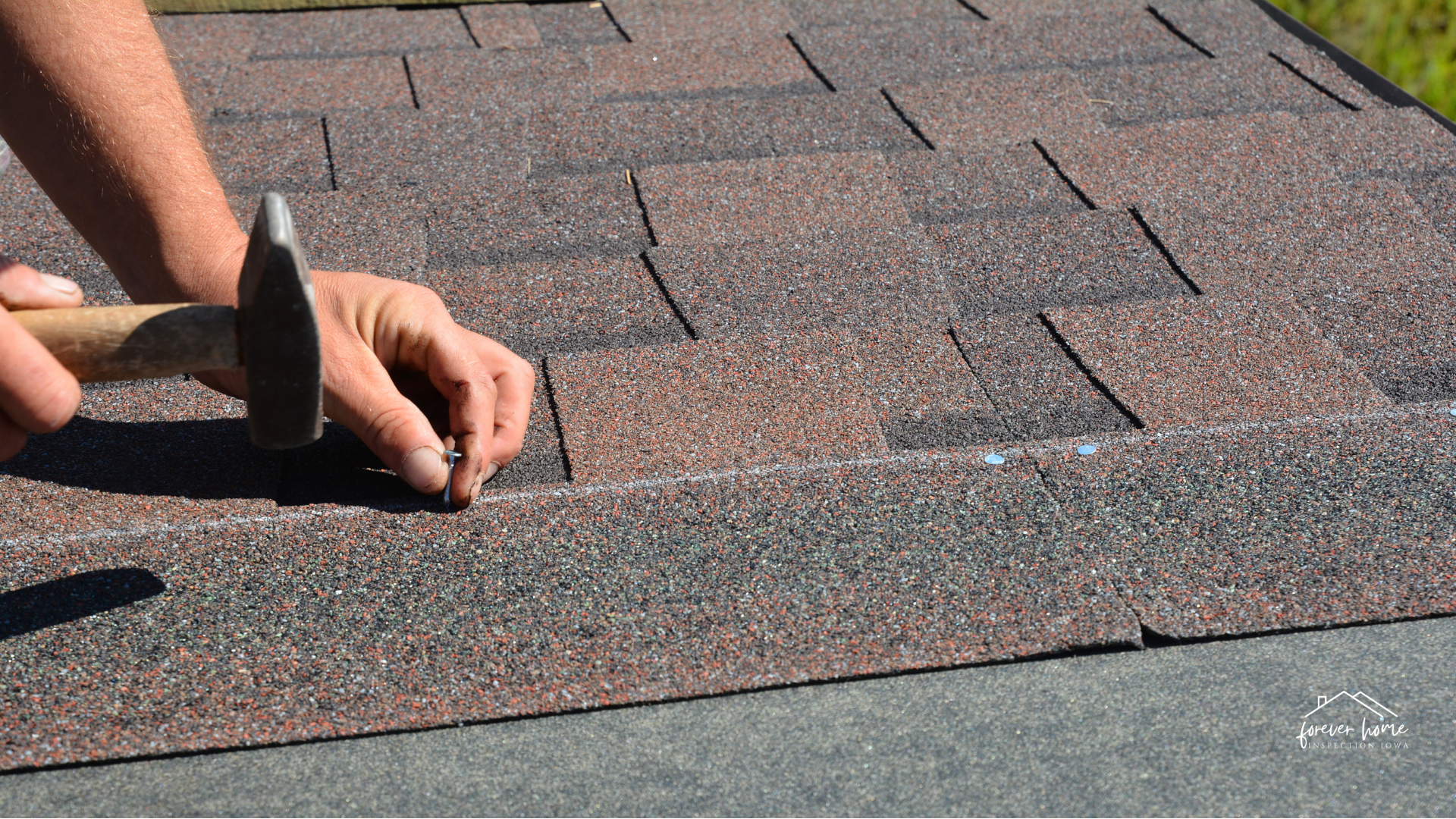
Inspect roof shingles for winter damage, missing granules, or lifted edges
Winter weather can damage roofing materials through ice dams, wind, and freeze-thaw cycles. Use binoculars to safely inspect your roof from the ground, looking for damaged shingles, missing granules, or lifted edges that could allow water infiltration.
Clean gutters and downspouts, checking for proper drainage away from foundation
Remove leaves, twigs, and debris from gutters to ensure proper water flow. Check that downspouts direct water at least six feet away from your foundation. Clogged gutters can cause water damage to your roof, siding, and foundation.
Service air conditioning system before summer heat (coil cleaning, refrigerant check)
Schedule professional servicing before you need cooling. Clean outdoor condenser coils, check refrigerant levels, and ensure proper airflow. This preparation prevents breakdowns during hot weather when repair services are in high demand.
Inspect exterior caulking around windows, doors, and trim
Check caulk lines for cracks, gaps, or deterioration that could allow water infiltration or air leaks. Remove old, damaged caulk and apply fresh sealant to maintain weatherproofing and energy efficiency.
Check deck railings and stairs for loose boards or protruding nails
Winter weather can loosen fasteners and damage deck materials. Test all railings for stability, check boards for splits or rot, and look for protruding nails or screws that could cause injuries.
Test sprinkler systems and repair broken heads or leaking valves
Turn on your irrigation system and check each sprinkler head for proper operation. Look for broken heads, clogged nozzles, or leaking valves that waste water and create drainage problems.
Trim tree branches at least 6 feet away from roof and power lines
Remove branches that could fall on your roof during storms or interfere with power lines. This prevents damage and reduces fire hazard from electrical arcing during windy conditions.
Summer Maintenance Tasks (June-August)
Summer maintenance focuses on protection from heat, preparing for potential storms, and maintaining outdoor living spaces during peak usage periods.
Inspect and clean dryer vent to prevent fire hazards and maintain dryer efficiency (lint buildup)
Lint accumulation in the dryer vent creates a serious fire hazard and reduces the efficiency of the dryer system. Disconnect the dryer and clean the vent thoroughly, removing all lint from the duct and external vent opening.
Check window and door screens for tears or loose frames
Damaged screens allow insects inside and reduce energy efficiency when windows are open for ventilation. Repair small tears with screen patch kits, and re-stretch or replace screens with significant damage.
Power wash deck, patio, and exterior siding (avoid high-pressure on windows)
Remove dirt, mildew, and stains from outdoor surfaces to maintain appearance and prevent deterioration. Use appropriate pressure settings for different materials, and avoid directing high-pressure water at windows, electrical outlets, or delicate surfaces.
Inspect and reseal deck stain or paint as needed
UV exposure and weather gradually break down protective finishes on outdoor wood surfaces. Check for fading, peeling, or wear, and apply fresh stain or paint to prevent water damage and wood rot.
Check attic insulation and ventilation for energy efficiency
Proper attic insulation and ventilation reduce cooling costs and prevent ice dams in winter. Ensure insulation maintains its thickness and isn’t compressed, and verify that ridge vents and soffit vents aren’t blocked.
Clean outdoor condenser unit coils and ensure 2-foot clearance around unit
Remove leaves, grass clippings, and debris from your air conditioning system’s outdoor unit. Maintain at least two feet of clearance around the unit for proper airflow, which is essential for efficient operation.
Inspect exterior paint for peeling, cracking, or fading
Summer heat can accelerate paint deterioration. Look for areas where paint is failing and plan for touch-up or repainting before water can penetrate and damage underlying materials.
Fall Maintenance Tasks (September-November)
Fall preparation focuses on weatherizing your home for winter conditions and ensuring heating systems are ready for increased demand.
Schedule furnace inspection and tune-up before heating season
Professional inspect of your heating system before cold weather ensures reliable operation and optimal efficiency. This service typically includes cleaning, filter replacement, and safety checks that prevent breakdowns and carbon monoxide hazards.
Drain and disconnect garden hoses, shut off exterior water valves
Prevent frozen pipes by removing all water from outdoor faucets and hoses. Disconnect and store garden hoses, and shut off interior valves that supply outdoor spigots if your climate experiences freezing temperatures.
Clean and store outdoor furniture, grills, and equipment
Proper storage extends the life of outdoor equipment and furniture. Clean items thoroughly before storage, and cover or store in protected areas to prevent weather damage.
Remove leaves from gutters (do this 2-3 times during leaf season)
Falling leaves can quickly clog gutters, creating ice dams and water damage risks. Clean gutters multiple times during heavy leaf fall, and consider installing gutter guards to reduce future maintenance.
Check chimney cap and flashing for damage before fireplace use
Inspect your chimney for damaged flashing, loose caps, or missing mortar that could allow water infiltration or create fire hazards. Address any issues before using your fireplace to ensure safe operation.
Seal gaps around pipes, vents, and cables entering the home
Small gaps around utility penetrations allow cold air infiltration and provide entry points for pests. Use appropriate sealants to close these openings and improve energy efficiency.
Inspect weatherstripping around doors and windows
Check door and window seals for wear, compression, or damage that reduces energy efficiency. Replace worn weatherstripping before cold weather to reduce heating costs and improve comfort.
Winter Maintenance Tasks (December-February)
Winter maintenance emphasizes monitoring systems under stress and preventing problems caused by cold temperatures and reduced daylight.
Check for ice dams on roof and ensure proper attic ventilation
Ice dams can cause significant water damage when melting ice backs up under shingles. Ensure adequate attic insulation and ventilation to maintain even roof temperatures that prevent ice dam formation.
Monitor indoor humidity levels (ideal range: 30-50%)
Cold weather often creates dry indoor conditions that damage wood furniture and floors while causing discomfort. Use humidifiers to maintain proper levels, but avoid excess humidity that can cause condensation and mold problems.
Inspect and clean fireplace or wood stove chimney
If you use your fireplace or wood stove regularly, annual cleaning removes creosote buildup that creates fire hazard. Professional cleaning also includes inspection for structural damage or blockages.
Check for drafts around windows and doors using incense or candle
Cold weather makes air leaks more noticeable and expensive. Use a lit candle or incense stick near windows and doors to identify drafts, then seal gaps with weatherstripping or caulk.
Ensure heating vents are unobstructed by furniture or curtains
Blocked vents reduce system efficiency and can create hot spots that damage furnishings. Check that all supply and return vents have adequate clearance for proper airflow throughout your home.
Test sump pump operation if applicable (pour water into pit)
If your home has a sump pump, test it monthly during winter when frozen pipes or spring thaw could create flooding conditions. Pour water into the pit to ensure the pump activates and drains properly.
Keep sidewalks and driveways clear of ice to prevent liability issues
Maintain safe walkways to prevent injuries and potential liability claims. Use ice melt products according to manufacturer instructions, and shovel snow promptly to prevent dangerous ice formation.
Preventing Frozen Pipes
Frozen pipes are a common winter headache that can lead to significant water damage and expensive repairs. To keep your plumbing system working properly during cold weather, insulate any exposed pipes in unheated spaces like the garage, basement, or crawlspace. On especially cold nights, let a trickle of cold water run from faucets connected to vulnerable pipes—this simple step can prevent freezing. It’s also important to seal any cracks or gaps in walls, floors, or ceilings where cold air might reach your pipes. By taking these preventative measures as part of your regular home maintenance, you’ll greatly reduce the risk of frozen pipes and the costly repairs that can follow.

Annual Deep Maintenance Tasks
Annual tasks require more time, expertise, or expense but provide essential protection for major home systems and components. These comprehensive maintenance activities often require professional service or specialized equipment. Deep cleaning tasks should include cleaning carpets, window treatments, and exhaust fan grills to maintain a clean and healthy living environment.
Professional HVAC system inspection and cleaning (spring for AC, fall for heating)
Annual professional service ensures your heating and cooling systems operate safely and efficiently. This service includes cleaning coils, checking refrigerant levels, testing safety controls, and identifying potential problems before they cause system failure.
Water heater flush and anode rod inspection (extends lifespan 5-10 years)
Sediment buildup reduces water heater efficiency and can cause premature failure. Annual flushing removes accumulated minerals, while anode rod inspection prevents tank corrosion that leads to leaks and replacement needs.
Septic system pumping (every 3-5 years depending on household size)
If your home uses a septic tank, regular pumping prevents system failure and expensive repairs. Household size and usage patterns determine pumping frequency, but most systems require service every 3-5 years.
Whole-house electrical inspection by licensed electrician
Electrical systems require professional evaluation to identify safety hazards, code violations, and potential fire risks. This inspection should include the electrical panel, circuit breakers, and major appliances.
Professional gutter cleaning and inspection (if too high or steep for DIY)
Multi-story homes or steep roof angles require professional gutter service for safety reasons. Professional cleaning includes inspection for damage, proper drainage, and secure mounting that homeowners might miss.
Carpet deep cleaning and hardwood floor refinishing assessment
A deep clean of carpets and other high-traffic areas should be performed at least twice a year as part of routine home maintenance. Annual deep cleaning extends carpet life, helps prevent pest issues, and improves indoor air quality. For hardwood floors, an annual assessment helps determine when refinishing is needed to prevent permanent damage from wear and scratches.
Exterior pressure washing and paint touch-up evaluation
Professional pressure washing removes accumulated dirt and mildew while allowing inspection for paint failure, wood rot, or siding damage that requires attention before problems worsen.
Tree and large shrub pruning by certified arborist
Large trees near structures require professional pruning to remove dead branches, improve structure, and reduce storm damage risks. Certified arborists have the expertise and equipment to work safely around power lines and buildings.
Home Maintenance Tasks for Specific Areas
Every area of your home has unique maintenance needs, and focusing on these key areas helps keep your house safe, functional, and comfortable. In the kitchen, regular maintenance tasks include deep cleaning the oven, stove, and refrigerator, as well as keeping the garbage disposal and dishwasher in good working order. For bathrooms, make it a habit to clean the shower, bathtub, and sink, and check the toilet and plumbing system for leaks or clogs.
Outdoor spaces like patios and decks also require attention—regularly wash windows, sweep surfaces, and inspect for signs of weather damage to prevent costly repairs. Don’t overlook your home’s major systems: schedule annual inspections for your HVAC system, water heater, and electrical systems to catch issues early and avoid unexpected breakdowns. By tailoring your home maintenance checklist to specific areas and systems, you’ll maintain a safe, efficient, and inviting home while protecting yourself from expensive repairs in the future.
Budget Planning for Home Maintenance
Effective budget planning ensures you can address maintenance needs promptly without financial stress. Understanding typical costs and setting aside appropriate funds prevents deferred maintenance that leads to costlier repairs.
Rule of thumb: Budget 1% of home value for annual maintenance (newer homes) or 3% (homes over 10 years old)
A $300,000 home should have $3,000-$9,000 budgeted annually for maintenance, depending on age and condition. Newer homes typically require less maintenance, while older homes need more frequent attention to key areas like roofing, plumbing system components, and exterior siding.
Emergency fund: Set aside additional 0.5-1% for unexpected repairs
Even with excellent maintenance, unexpected problems arise. Water damage from burst pipes, storm damage to roofing, or sudden equipment failure can require immediate attention and significant expense.
Seasonal expense planning: Summer (AC, landscaping), Winter (heating system), Spring (roof, exterior)
Different seasons create predictable expense patterns. Plan for air conditioning service before summer, heating system maintenance before winter, and exterior repairs during favorable spring weather.
DIY vs. professional costs: Learn basic tasks to save 60-80% on labor costs
Simple tasks like replacing air filters, cleaning dryer vents, and basic caulking can save hundreds of dollars annually. However, understand your limits—electrical work, gas appliances, and structural issues require professional expertise.
Bulk purchasing: Buy air filters, batteries, and supplies in bulk for 20-30% savings
Stock up on frequently needed items like air filters, detector batteries, and basic maintenance supplies. Buying in quantity saves money and ensures you have supplies when needed, preventing postponed maintenance.

Essential Home Maintenance Tools and Supplies
Having the right tools and supplies makes maintenance tasks easier, safer, and more effective. A well-equipped homeowner can handle most routine maintenance without calling professionals for simple jobs.
Basic tool kit: Hammer, screwdrivers, adjustable wrench, pliers, level, tape measure
These fundamental tools handle most basic repairs and adjustments. Invest in quality tools that will last for years rather than cheap alternatives that break or perform poorly.
Safety equipment: Work gloves, safety glasses, dust masks, non-slip ladder
Safety should never be compromised for convenience or cost savings. Proper protective equipment prevents injuries that can be far more expensive than the tools themselves.
Cleaning supplies: All-purpose cleaner, bleach, drain cleaner, wood polish
Keep a variety of cleaning products suitable for different surfaces and problems. White vinegar works excellently for many cleaning tasks and is environmentally friendly and cost-effective.
Replacement parts: Air filters (various sizes), light bulbs, batteries, fuses
Stock commonly needed replacement items to handle maintenance promptly. Know the sizes and types your home requires, and buy quality products that last longer than cheap alternatives.
Seasonal supplies: Caulk and weather stripping, rock salt, garden tools
Prepare for seasonal needs in advance. Having ice melt before the first storm and fresh caulk before winter weather makes maintenance more effective and prevents emergency shopping trips.
Emergency kit: Flashlights, candles, first aid kit, fire extinguisher
Emergency supplies aren’t technically maintenance items, but they’re essential for home safety. Check fire extinguishers annually and replace expired items promptly.
When to Contact a Home Inspector
Understanding when to attempt DIY repairs versus calling professionals protects both your safety and your investment. Some tasks require specialized knowledge, tools, or certifications that make professional service the only safe option. A home inspection can be a good place for homeowners to begin determining what needs to be repaired, replaced, or cleaned. A home inspector can evaluate various elements of your property, including the roof, interior, and foundation, for detailed insight into the condition of your home. At Forever Home Inspection Iowa we would love to perform a maintenance inspection for your home today!

Home Inspectors Serving Iowa
Forever Home Inspection Iowa is a local, certified, and insured company emphasizing ethics and client care. Built on love and loyalty, we ensure every inspection is thoroughly done, which accompanies a highly detailed, digital report and warranty.
Primarily serving homebuyers and sellers within 60 miles of the Des Moines, Iowa area, we’re flexible and purposeful in meeting client needs.
Our team operates throughout Central Iowa, ensuring quality inspection services in areas all around the Des Moines metro.
We serve both urban and rural Iowa communities, providing top-notch inspections for both residential and commercial properties.
Our services include surrounding communities like Grimes, Granger, and others in the region.
Our commitment to comprehensive, dependable inspections extends throughout Central Iowa, ensuring all residents have access to quality inspection services.
We continually strive to meet the diverse needs of Iowan homebuyers and sellers, maintaining excellence in home inspections and helping our fellow citizens across Central Iowa make informed real estate decisions!
How to Schedule Your Home Inspection
Scheduling a home inspection with Forever Home Inspection Iowa is easy. Book your inspection with a phone call or online. Many clients and real estate agents praise our team’s responsiveness and the ease of scheduling through our website.
Not only are we experts our field, but all of our qualifying inspections include a free warranty for even more peace of mind in your homebuying journey. We are confident you will LOVE partnering with us!
After scheduling, you’ll receive an email with a link to a custom inspection portal containing all important documents and payment options. Expect your inspection to last between two to four hours, depending on your property’s size and condition. It’s a seamless process designed with your convenience at the forefront.
Reviews From Happy Homebuyers

Matt and Kalyn Gibson, owners of Forever Home Inspection Iowa
Frequently Asked Questions
How often should I replace major home components?
HVAC systems typically last 15-25 years with proper maintenance, making regular service essential for maximizing lifespan. Water heaters need replacement every 8-12 years, though proper maintenance can extend their useful life. Roofing materials last 20-50 years depending on material type, with asphalt shingles on the shorter end and metal or tile on the longer end. Windows should be replaced every 15-20 years for energy efficiency, though quality windows with proper maintenance may last longer. Exterior paint lasts 7-10 years in most climates, but harsh weather conditions may require more frequent repainting.
What maintenance tasks can I skip if I’m selling my home soon?
Never skip safety-related maintenance like smoke detectors, carbon monoxide detectors, or electrical issues, as these can prevent a sale or create liability issues. Focus on visible improvements like fresh paint, clean gutters, and working properly fixtures that buyers notice during showings. You can postpone expensive upgrades like new roofing unless absolutely necessary for sale or inspection requirements. However, maintain your HVAC system and plumbing system as these significantly affect home inspection results and buyer confidence.
How do I prioritize maintenance tasks when I’m overwhelmed?
Start with safety issues first: ensure smoke alarms and carbon monoxide detectors function properly, address electrical problems, and fix structural concerns that could cause injury. Address water-related issues next to prevent mold growth and structural damage from leaks or poor drainage. Focus on tasks that protect your investment third: roof maintenance, foundation care, and major home systems that are expensive to replace. Handle cosmetic improvements last unless they significantly affect home value or your quality of life.
Should I keep maintenance records and how?
Yes, maintain detailed records for warranty claims, insurance purposes, and home sale advantages. Include dates, costs, contractor information, and before/after photos that document work performed. Use smartphone apps like HomeZada or simple spreadsheets for organization, making sure to back up digital records. Keep receipts for major purchases and improvements for tax purposes, as some improvements may qualify for deductions or credits. Update records when selling to show buyers the home’s maintenance history, which can justify asking price and reduce buyer concerns about hidden problems.
What’s the biggest mistake homeowners make with maintenance?
The biggest mistake is waiting until something breaks before addressing it. This reactive approach costs significantly more than preventative maintenance and often leads to emergency situations when contractors charge premium rates. Many family members delay maintenance tasks thinking they’re saving money, but small problems become major expenses when ignored. For example, a leaking outdoor faucet might seem minor but can cause foundation damage costing thousands to repair. Establish a regular maintenance routine and stick to it, even when everything seems to be working properly.
Want More?
Check out other posts we’ve written.