
Next Steps: What Happens After A Home Inspection?
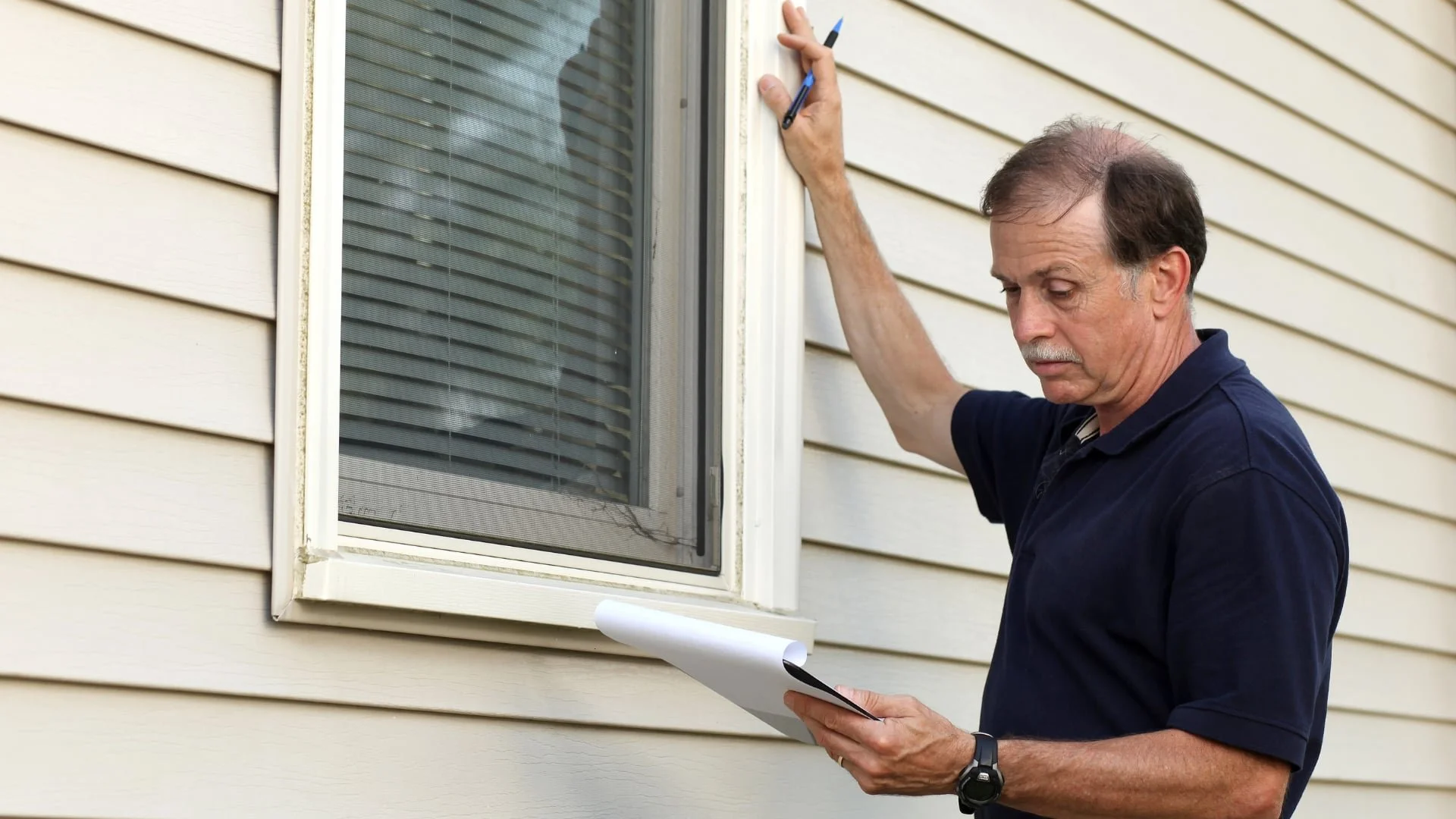
After a home inspection, the next steps are crucial for both buyers and sellers. A home inspection involves a visual examination of the home's structure and major systems to identify any issues or potential repairs. Understanding what happens after home inspection is essential for navigating repairs, negotiations, and finalizing the sale. In this article, we’ll break down the key actions to take, from reviewing the inspection report to completing necessary repairs.
Key Takeaways
Reviewing the home inspection report thoroughly is crucial to identify and understand potential issues, which can range from minor issues to mandatory repairs required for sale or safety, allowing sellers to prioritize necessary repairs.
Common issues identified during inspections include electrical hazards, plumbing problems, and structural defects that must be addressed for safety and compliance.
Sellers have multiple strategic options post-inspection: making repairs, offering repair credits, or negotiating price reductions to facilitate a smooth sale.
Review the Home Inspection Report
The moment you receive the home inspection report, a thorough review is paramount. This detailed report can reveal hidden problems that may not be immediately obvious to sellers, such as lead paint in older homes or signs of pest infestation. It’s not just about spotting issues; it’s about understanding the scope and implications of each finding. The inspection report typically belongs to the buyer who paid for it, and the seller usually only receives a repair request if the buyer creates one.
Collaborating with a real estate agent can be invaluable during this review process. Agents help clients by:
Interpreting inspection findings and making informed decisions
Aiding in negotiating effectively
Differentiating between serious violations and cosmetic fixes
Helping determine which repair requests are reasonable requests based on the inspection findings

Home inspection reports not only identify problems but also offer recommendations for addressing them. Understanding these findings allows you to prioritize significant repairs over minor or cosmetic issues. This can help sellers make necessary repairs before listing their home, potentially avoiding future issues.
Common Repairs and Issues Found
Once you’ve reviewed the inspection report, the next step is understanding the common repairs and issues typically found. These often relate to major systems and the overall home’s structure.
The repairs can be categorized into three main areas: electrical hazards, plumbing repairs, and structural issues. Inspectors also look for fire hazards, such as faulty wiring, malfunctioning fireplaces, and non-functioning smoke detectors, which are critical for home safety. Additionally, the HVAC system is thoroughly checked, as issues with heating, ventilation, and air conditioning can impact energy efficiency, safety, and may require costly repairs or upgrades.
Electrical Hazards
Electrical hazards are among the most critical safety concerns identified during home inspections. Common issues include sparking outlets, frayed wiring, and incorrect wiring. Inspectors typically check GFCI functionality, grounding of outlets, and the condition of the circuit panel to confirm the electrical systems safety.
Addressing these hazards is vital for the safety of the home’s occupants. Significant electrical repairs can cost from a few hundred to several thousand dollars, depending on the severity. Properly resolving these issues can give peace of mind and reduces fire risk.
Plumbing Repairs
Plumbing issues are another common finding in home inspections. These can range from leaky faucets to more serious problems like deeper pipe issues. Inspectors will check for leaks and can also do a sewer scope if requested.
Plumbing repairs can range from a few hundred dollars for minor repairs to several thousand for major problems. Promptly addressing these urgent repairs and home repairs, especially minor maintenance, can help maintain a positive perception of the home, particularly when considering repairs after a home.
Structural Issues
Structural issues are among the most significant major issues identified during home inspections. Common issues include cracked foundations, basement water damage, mold, and the need for roof replacement due to damage such as leaks or missing shingles. Roof replacement is a major repair that may be required after inspection, as unresolved roofing problems can lead to further home issues and often involve higher costs.
Signs of structural problems often include uneven floors, bowing walls, and serious issues with foundation issues in the basement, which may indicate certain defects.
Inspectors check for any concerning foundation cracks, drainage issues, deteriorating brickwork, and roofing damage that could necessitate roof replacement. In some states, structural damage repairs are mandatory and must be addressed before finalizing a sale. These repairs help with the safety and stability of the home’s structure. Common roof issues include missing shingles, sagging sections, significant leaks, or the roof being at the end of its lifespan.
Seller’s Response Options

Once the inspection findings are clear, sellers have multiple options for responding. They can make the necessary repairs, offer repair credits, or negotiate repairs price reductions. After a home inspection, the buyer receives a detailed report and decides whether to request major repairs, ask for a credit or price drop, get specialist follow-ups, or use the inspection contingency to walk away.
In a buyer's market, where there are more homes for sale than buyers, sellers are more likely to agree to repair requests or even have the seller pay for repairs to secure the sale. In contrast, in a seller's market, where demand is high and inventory is low, sellers may be less flexible and more likely to refuse repair requests or concessions.
The choice often depends on the nature of certain repairs and the current market conditions, including any agreed upon repairs and cosmetic repairs. If the seller agrees to the buyer's repair requests, they will typically complete the repairs before closing or provide a credit. If the seller refuses, the buyer can attempt further negotiation, accept the home as-is, or walk away from the deal. Buyers typically have two to three business days to review the home inspection report and ask for repairs. It's important to note that unreasonable repair requests—such as those for cosmetic updates or non-essential renovations—are less likely to be accepted, especially in a seller's market.
Making Necessary Repairs
The most straightforward option is to make the necessary repairs identified in the inspection report. Sellers should be honest about timelines for repairs to avoid losing buyers. Obtaining at least two to three bids for repairs can help manage costs and provide quality work.
Handling safety concerns and necessary repairs provides peace of mind to buyers and helps sellers offload the home more easily. Mortgage lenders often require repairs for major structural issues or safety issues. It is important to have all repairs completed and properly documented before the closing process to allow time for further repairs, if needed. Completing these repairs can prevent the loss of buyers and a smooth closing process.
Offering Repair Credits
Offering repair credits is another viable option for sellers. Repair credits are typically based on estimated repair costs and can be reflected as a reduction in the purchase price. This can reduce the buyer’s closing costs, lessen the seller’s responsibilities, and avoid disputes over repair completion. Sellers can offer a repair credit by reducing the sale price by the credit amount.
However, offering repair credits can affect the seller’s net proceeds at closing credit. Additional issues may also be uncovered during repairs, leading to further negotiations. Despite these potential drawbacks, repair money can be a valuable negotiation tool in many markets.
Negotiating Price Reductions
Price reductions are another option for sellers whose homes require future repairs identified during the inspection. Alternatively, buyers may choose to request repairs instead of a price reduction, and any agreed changes—whether repairs or credits—should be reflected in the purchase agreement. This approach can appeal to budget-conscious buyers and simplify negotiations.
Sellers should consider the following to facilitate negotiations and secure a successful home sale:
Compromise on minor items to facilitate negotiations on more significant issues, as sellers agree on the importance of flexibility.
Avoid substantial changes that do not lead to seller desperation, as these can make it more difficult to obtain a price reduction.
Understand the buyer’s perspective and be flexible to maintain buyer interest.

Final Walk-Through
The final walk-through is the buyer’s last chance to:
Make certain that all agreed repairs have been completed
Confirm that no new issues have arisen
Verify that the seller has removed all personal belongings to avoid any surprises after closing day
A final walk-through is typically scheduled 24 to 72 hours before closing to confirm that the property is in the agreed-upon condition.
Buyers should also make sure that all appliances are functioning as expected, including testing major units like the dishwasher and washing machine in their new house. Inspecting the exterior of the property, including the landscaping and any outdoor features, is as critical as the interior.
Checking for any signs of pests or damage that may have occurred after the inspection is also essential. If significant issues are discovered during the final walk-through and the buyer decides to back out, they may risk losing their earnest money depending on the terms of the contract.
Role of Real Estate Agent
Real estate agents play a crucial role in navigating the post-inspection process. They:
Help review the inspection report
Distinguish between serious violations and cosmetic fixes
Identify negotiation points
Facilitate negotiation
Confirm a smooth home sale after a home inspection.
By filtering out overreaches in buyer requests, agents help provide fair negotiations. They balance repairs and unresolved issues to find mutual agreement. A real estate agent advocates for the seller during the inspection process, assisting throughout each step.
The listing agent, also known as the seller's agent, specifically represents the seller's interests during the inspection and negotiation process. Acting as the seller's agent, they help reduce stress for sellers by guiding them through inspection steps and facilitating the sale.
Managing Stress During the Process
The home inspection process can be stressful, but sellers should:
Remain rational, strategic, and proactive.
Be transparent about existing problems to foster trust and reduce complications during negotiations.
Maintain a tidy home for inspection to create a positive impression and prevent inspectors from marking areas as inaccessible.
A real estate agent can help buyers manage emotions related to home inspection reports, as not all buyers are prepared for the findings.
Finalizing the Sale
Once negotiations are complete and all parties have agreed on how to address the inspection findings, the home sale moves into its final phase. This stage is all about checking that every detail is in order so the transaction can close smoothly and on time.
A key part of finalizing the sale is making sure that all repairs after a home inspection have been completed as agreed. The detailed report from the home inspection serves as a checklist for both buyers and sellers, confirming that all necessary work—whether it’s fixing electrical systems, addressing plumbing repairs, or resolving structural issues—has been properly handled. Keeping thorough documentation, such as receipts and contractor invoices, is essential for both compliance and peace of mind.
Your real estate agent plays a pivotal role during this stage. They coordinate communication between buyers, sellers, and service providers, ensuring that all paperwork is accurate and deadlines are met. Agents also help verify that any inspection contingency in the purchase contract has been satisfied, and that the home is ready for closing day.
In the real estate industry, attention to detail at this point can prevent last-minute surprises. By relying on the expertise of your real estate agent and referencing the detailed report from your home inspection, you can confidently move forward, knowing that your new house is ready for you to call it home.
Summary
In summary, the steps following a home inspection are crucial for ensuring a smooth home sale. Reviewing the home inspection report thoroughly, addressing common repairs, and understanding seller response options are key. Conducting a final walk-through confirms that all commitments are fulfilled and no new issues have arisen.
The role of the real estate agent is indispensable in navigating this complex process. By staying proactive and transparent, sellers can manage stress and secure a successful home sale. Moving forward with these steps can help you achieve your dream home with confidence and peace of mind.

Home Inspectors Serving Iowa
Forever Home Inspection Iowa is a local, certified, and insured company emphasizing ethics and client care. Built on love and loyalty, we ensure every inspection is thoroughly done, which accompanies a highly detailed, digital report and warranty.
Primarily serving homebuyers and sellers within 60 miles of the Des Moines, Iowa area, we’re flexible and purposeful in meeting client needs.
Our team operates throughout Central Iowa, ensuring quality inspection services in areas all around the Des Moines metro.
We serve both urban and rural Iowa communities, providing top-notch inspections for both residential and commercial properties.
Our services include surrounding communities like Grimes, Granger, and others in the region.
Our commitment to comprehensive, dependable inspections extends throughout Central Iowa, ensuring all residents have access to quality inspection services.
We continually strive to meet the diverse needs of Iowan homebuyers and sellers, maintaining excellence in home inspections and helping our fellow citizens across Central Iowa make informed real estate decisions!
How to Schedule Your Home Inspection
Scheduling a home inspection with Forever Home Inspection Iowa is easy. Book your inspection with a phone call or online. Many clients and real estate agents praise our team’s responsiveness and the ease of scheduling through our website.
Not only are we experts our field, but all of our qualifying inspections include a free warranty for even more peace of mind in your homebuying journey. We are confident you will LOVE partnering with us!
After scheduling, you’ll receive an email with a link to a custom inspection portal containing all important documents and payment options. Expect your inspection to last between two to four hours, depending on your property’s size and condition. It’s a seamless process designed with your convenience at the forefront.
Reviews From Happy Homebuyers
Frequently Asked Questions
What is one thing you should do after you finish an inspection?
After finishing an inspection, carefully review the report to prioritize issues and get repair estimates! This will set you on the right path to negotiating with the seller and moving forward with your dream home!
What should I do immediately after receiving the home inspection report?
Immediately dive into that home inspection report. Prioritize the high-priority repairs, and don’t hesitate to partner with your real estate agent to tackle negotiations!
What are common repairs found in home inspections?
You're in for a surprise because common repairs found in home inspections often include pesky electrical hazards, troublesome plumbing issues, and structural concerns like cracked foundations and water damage. Always good to know before making a big decision!
How can sellers respond to repair requests?
Sellers can respond to repair requests with excitement by making the necessary repairs, offering repair credits, or negotiating price reductions—whichever option keeps the deal moving forward. Keeping communication open and positive will help support a smooth transaction.
Want More?
Check out other posts we’ve written.