
Home Warranty Inspection: 11-Month Checklist for New Homeowners
Key Takeaways
Your newly built home comes with a builder’s warranty that covers workmanship and materials, but that protection has an expiration date. Here’s what you need to know about protecting your investment before time runs out:
Most builders in the U.S. offer a one year builder’s warranty on workmanship and materials, typically expiring 12 months from your closing date. For example, if you closed on March 15, 2025, your warranty ends March 15, 2026.
Schedule your professional warranty inspection around month 10 or 11 to give yourself time to submit repair requests before the warranty expires.
The inspection focuses on structural elements, systems (HVAC, plumbing, electrical), roofing, and cosmetic defects that have appeared during your first year of ownership.
Industry data shows that 80-90% of new homes reveal at least one warrantable defect at the 11-month mark— issues that builders are obligated to fix at no cost to you.
Spending a few hundred dollars on a detailed inspection can save $1,000 or more in costly repairs by getting the builder to fix defects covered under warranty instead of paying out of pocket later.
What Is a Home Warranty Inspection?
A home warranty inspection— often called an 11 month warranty inspection or one year warranty inspection—is a comprehensive evaluation of your newly constructed home performed roughly 10-11 months after move-in. The purpose is to identify and document all defects before your standard builder’s warranty period ends.
This type of inspection applies specifically to new construction homes, not older properties with third-party home warranty service contracts.
There’s an important distinction between three types of coverage: (a) your builder’s 1-year warranty on workmanship and materials, (b) structural warranties that may extend 10 years for major defects like foundation issues, and (c) separate home warranty service contracts you can purchase for appliance and systems breakdowns.
The inspection identifies problems stemming from design flaws, substandard materials, or poor workmanship—not damage caused by owner neglect, abuse, or normal wear and tear.
Your home inspector produces a written report with photographs and specific location details that serves as a punch-list you can submit directly to the builder for warranty claims.
A standard inspection at closing often misses defects that only appear after months of settling, seasonal changes, and actual use of the home’s systems.
Why an 11-Month Home Warranty Inspection Matters
Once your one year warranty anniversary passes, most builders are no longer contractually obligated to correct workmanship defects at their expense. Acting before this deadline is crucial for protecting your investment and avoiding thousands in repair bills.
Many homeowners don’t realize that common issues only become visible after the home has been lived in for several months:
Foundation settling cracks often appear 6-9 months after construction as the home adjusts to its final position.
Roof leaks may not show up until after your first winter’s freeze-thaw cycles or heavy spring rains.
HVAC systems can develop imbalances that only become apparent after experiencing both summer heat and winter cold.
Plumbing small leaks at connections may take months to produce visible water damage or mold.
Consider this real-world example: A hairline foundation crack or mis-sloped gutter identified at month 11 might seem minor. But if ignored, that same defect could lead to water intrusion, basement flooding, and structural damage costing $5,000-$15,000 by year three— repairs you’d pay entirely out of pocket.
Beyond the financial benefits, an 11 month warranty inspection provides:
Documentation for future resale showing the home's condition was professionally evaluated
Peace of mind about concealed systems like electrical, plumbing, and HVAC
A clearer understanding of your home’s maintenance needs going forward
Leverage to hold the builder accountable for defects they’re contractually obligated to fix
Common Defects Found During Home Warranty Inspections
A detailed evaluation of your new home will typically uncover issues across several categories. Common issues found during the 11-month home warranty inspections include drywall cracks, roof leaks, HVAC imbalances, insulation deficiencies, and plumbing drips, which are important to identify before warranty coverage expires. According to a 2023 InterNACHI survey, 85% of new construction homes had workmanship issues, with drywall cracks appearing in 45% of homes and plumbing leaks in 30%.
Structural Examples:
Small but active foundation cracks near corners, particularly those wider than 1/4 inch
Uneven floors indicating beam or joist issues
Stair-step cracks in masonry veneer
Doors and windows that won’t latch or close properly due to framing movement
Moisture and Exterior Examples:
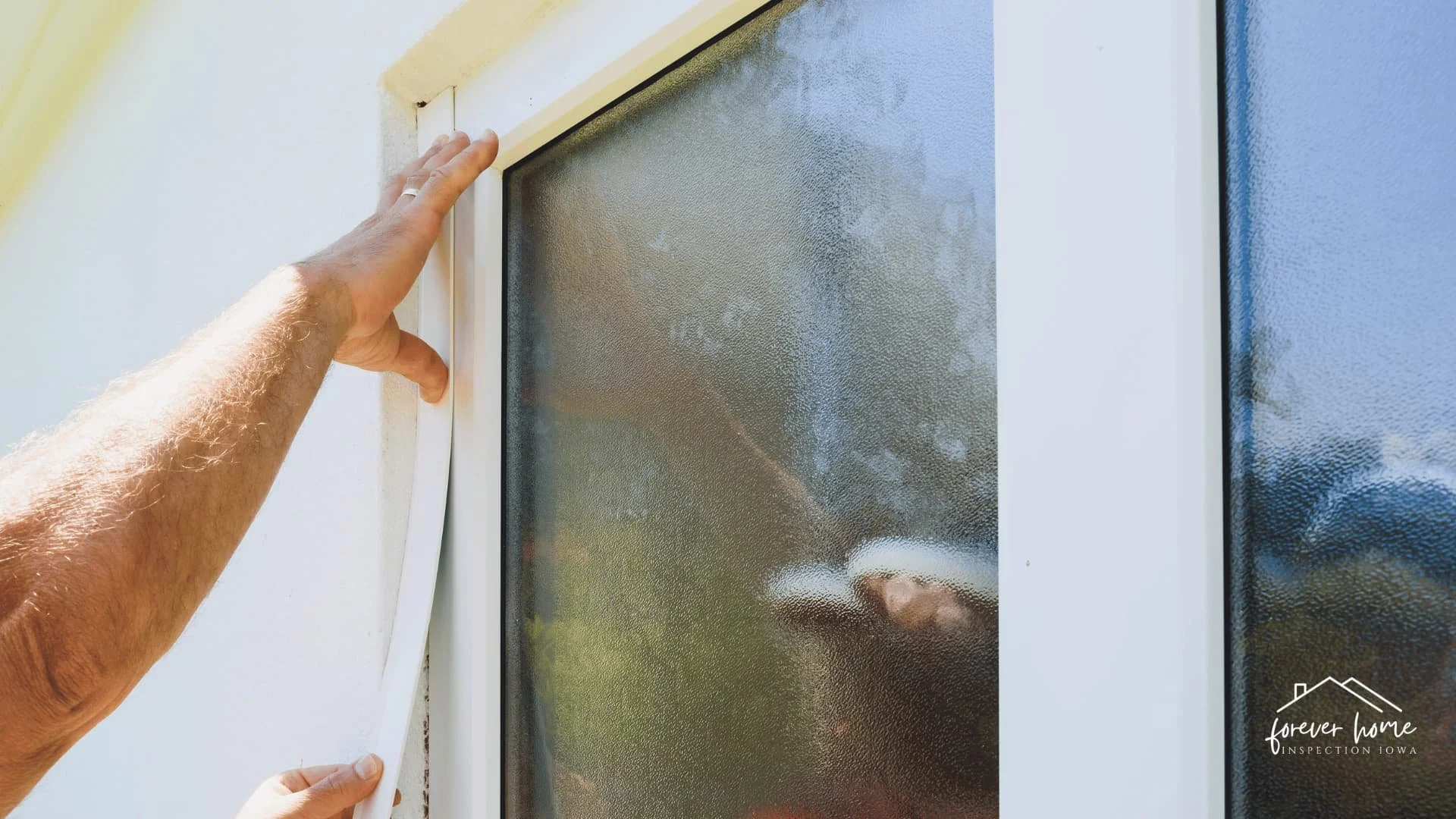
Poorly flashed windows allowing water infiltration
Missing kick-out flashing at roof-to-wall transitions
Improper grading causing water to pool at the foundation after heavy rains
Leaking hose bibs and exterior faucets
Systems Examples:
HVAC systems not maintaining temperature in certain rooms
Condensate lines not sloped correctly, leading to backups
Plumbing leaks at P-traps and supply connections
Undersized electrical breakers serving major home appliances
Safety Examples:
Missing GFCI protection in garages, bathrooms, or kitchen areas
Loose handrails on stairs or decks
Attic access without proper insulation or air sealing
Improperly wired electrical outlets
Cosmetic but Warrantable Items:
Nail pops in drywall throughout the home
Cracked grout in showers installed less than a year ago
Peeling paint on exterior trim
Misaligned cabinet doors and drawer fronts
Hidden defects in new construction are more common than many homeowners expect. The difference between catching them now versus later can mean thousands of dollars.
What Inspectors Check in a Home Warranty Inspection
The scope of an 11 month home warranty inspection is similar to a pre-purchase home inspection but with a specific focus on warranty-eligible items and defects that have developed during your first year of occupancy.
A typical inspection will inspect the exterior, roof, foundation and drainage, garage, interior rooms, kitchens and bathrooms, attic, HVAC systems, electrical systems, and plumbing.
Inspectors follow industry standards from organizations like InterNACHI or ASHI but may adapt their checklist to local building practices and climate conditions.
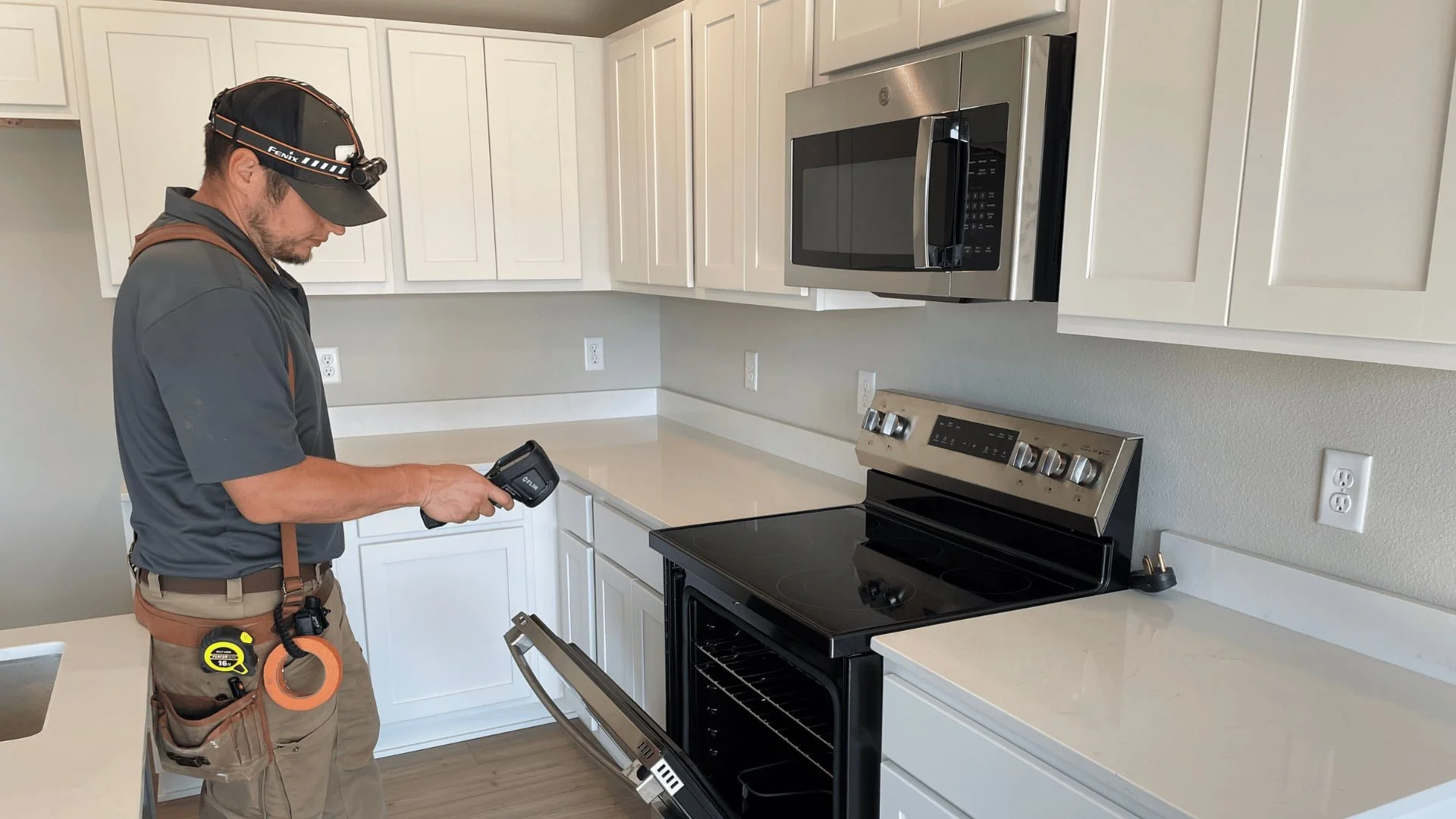
Appliances are operated in normal modes (oven, dishwasher, built-in microwave) to confirm basic function, though detailed manufacturer diagnostics are usually outside the scope.
The inspection is primarily visual and non-invasive— inspectors don’t open finished walls or modify the home, but may use ladders, moisture meters, infrared cameras, or drones where conditions allow.
Exterior and Roof
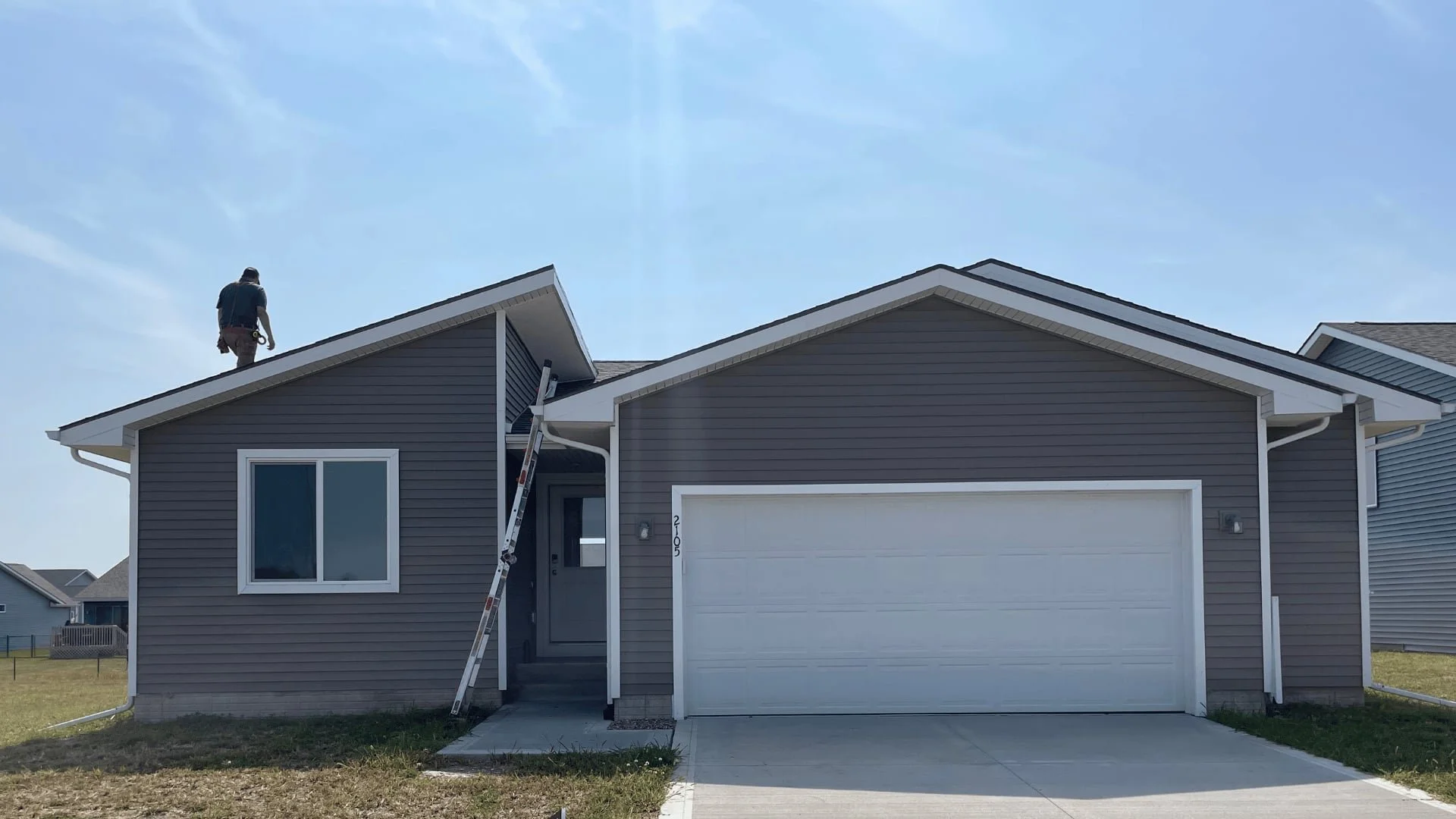
Your home’s exterior takes the brunt of weather exposure, making it a prime area for defects to appear during the first year.
Exterior Checks:
Siding installation and proper clearances from grade
Caulking integrity around windows and doors
Condition of exterior paint or stain
Presence of weep holes in brick veneer
Evidence of pest entry points at soffits or siding joints
Decks and Porches:
Ledger board flashing against the house (a common source of hidden water damage)
Proper post anchoring to footings
Consistent spacing of guard balusters (typically 4 inches or less)
Even surface finish or stain coverage
Roof:
Visible shingles or roofing panels for proper installation
Exposed fasteners and their sealing
Flashing at chimneys, sidewalls, and skylights
Roof penetrations including vents and plumbing stacks
Drip edge installation at eaves
Drainage:
Gutters sloped properly toward downspouts
Downspouts discharging several feet away from the foundation
Evidence of erosion or standing water after storms
Soil grade sloping away from the house (minimum 6 inches over 10 feet)
Foundation, Garage, and Driveways
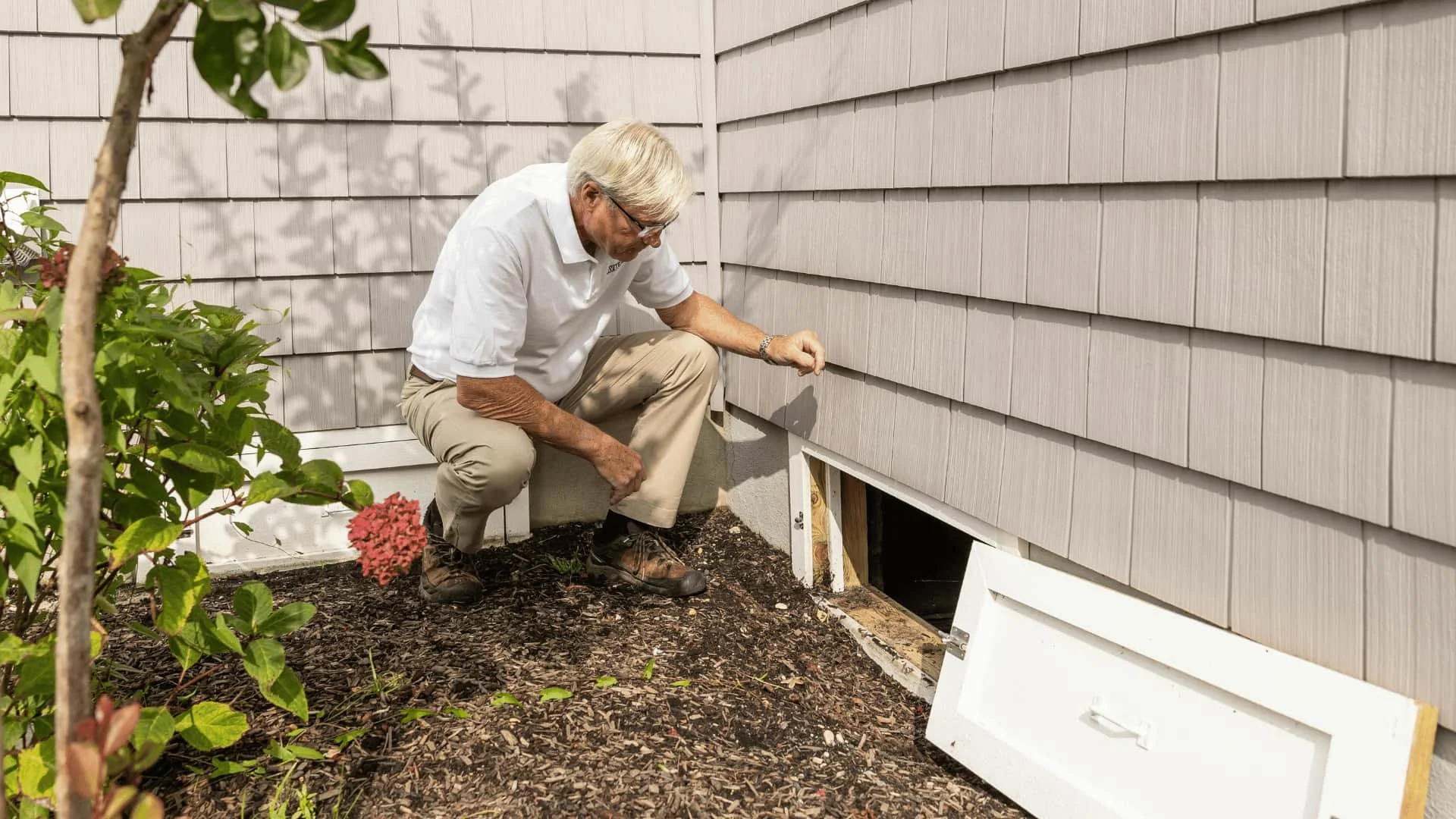
Concrete and structural support elements are often overlooked by homeowners but represent some of the most expensive repairs if problems go unaddressed.
Foundation:
New or widening cracks in slab or stem walls
Signs of settlement at corners and load-bearing points
Separation between foundation and framing
Moisture intrusion along interior basement or crawl space walls
Water pressure testing for hydrostatic issues
Garage:
Automatic door opener function and safety features
Auto-reverse safety sensor operation
Manual release mechanism accessibility
Moisture staining on walls and ceilings indicating roof or plumbing leaks
Proper fire separation from living spaces
Concrete Flatwork:
Driveways, walkways, and patios checked for spalling
Trip hazards from uneven sections
Improper slope directing water toward the structure
Control joint placement and condition
Interior Rooms, Kitchens, and Bathrooms
Interior spaces reveal many cosmetic and functional defects typically covered under the builder’s warranty for workmanship.
Interior Rooms:
Windows and doors tested for smooth operation
Walls and ceilings checked for cracking, nail pops, and settling
Gaps at baseboards or trim indicating movement
Flooring levelness (inspectors note slopes exceeding 1/4 inch in 10 feet)
Kitchens:
Cabinet doors and drawers tested for proper alignment
Countertop caulking integrity at backsplashes and sinks
Built-in appliances operated using standard cycles
Water heater connections and temperature settings
Proper installation of range hoods and exhaust ventilation
Bathrooms:
Slow drains indicating potential clogs or improper installation
Loose toilets or rocking bases
Failed caulk or grout at tubs and showers
Exhaust fans vented to the exterior (not just into the attic)
Adequate hot water delivery at fixtures
Attic, HVAC, Electrical, and Plumbing Systems
These hidden systems represent some of the most costly repairs if problems aren’t caught during the warranty period.
Attic:
Insulation depth and coverage (inspectors look for missing insulation and gaps)
Baffles at eaves for proper ventilation
Signs of past or active roof leaks
Any damaged or improperly cut trusses
Bathroom exhaust fan terminations
HVAC:
Heating and cooling modes tested for adequate temperature differential (typically 15-20°F across coils)
Return and supply airflow balance checked
Refrigerant lines inspected for proper support
Accessible ductwork examined for disconnected joints or damaged insulation
Filter condition and accessibility
Electrical:
Outlets tested for proper polarity and grounding
GFCI and AFCI protection verified where required
Missing cover plates or exposed splices in accessible areas
Panel condition and proper labeling
Smoke and carbon monoxide detector function
Plumbing:
Multiple fixtures operated to observe water pressure and temperature stability (ideal pressure: 40-80 PSI)
Under-sink areas and toilet bases checked for leaks
Unusual noises like water hammer when valves close
Drain flow rates at sinks, tubs, and showers

New Construction Considerations
When you move into a newly constructed home, it’s easy to assume everything is flawless. However, even the best-built homes can have hidden defects that only become apparent after months of daily living. That’s why a warranty inspection before your builder’s warranty expires is crucial. Most builders provide a one year builder’s warranty that covers defects in workmanship and materials, but this protection is only available during the warranty period.
Common defects in new construction include plumbing leaks, electrical system issues, and HVAC malfunctions—problems that may not be obvious during a standard inspection or initial walkthrough. A detailed inspection by a qualified home inspector can uncover these hidden defects, from small leaks behind walls to improperly wired outlets or missing insulation. Identifying these issues before the warranty expires guarantees that the builder is responsible for repairs, not you.
By scheduling a warranty inspection, homeowners can protect their investment, avoid costly repairs down the road, and make sure their newly constructed home is safe and sound. Don’t wait until minor defects become major headaches— an inspection is a crucial step in holding your builder accountable and maintaining the value of your property.
When to Schedule Your Home Warranty Inspection
Timing is everything when it comes to protecting your warranty claims. The window between “too early” and “too late” is surprisingly narrow.
Schedule your inspection in month 10 or 11 after closing. For example, if you closed on August 1, 2025, target an inspection in June or July 2026.
This timing allows your home to experience at least one full seasonal cycle—winter freezing, summer heat, heavy rains—so hidden defects have time to surface.
Booking 30-45 days before your warranty expires leaves adequate time to receive the report, submit a written repair list to the builder, and schedule any necessary follow-up visits.
Some builders specify claim deadlines in their warranty documents that differ from the closing anniversary. Review your warranty booklet carefully to confirm exact cutoff dates for reporting defects.
Most builders provide a reasonable timeframe to submit warranty claims, but waiting until the last week before expiration creates unnecessary stress and may result in missed issues.
How to Prepare for a Home Warranty Inspection
A little preparation goes a long way toward helping your inspector access and document issues efficiently. Here’s how to get the most value from your investment:
Gather documents in advance: Pull together your purchase agreement, builder’s warranty booklet, any repair records from earlier in the year, and manuals for built-in systems and home appliances.
Create a personal punch-list: Note the dates and locations of any recurring issues you’ve observed. For example: “Primary bath shower leaks onto floor after 10 minutes of use” or “HVAC struggles to cool upstairs bedrooms in afternoon.”
Clear access to critical areas: Make sure the inspector can easily reach the electrical panel, attic hatch, crawl spaces, furnace and water heater, under-sink cabinets, and exterior utility meters.
Plan to be present: A typical warranty inspection takes 2-4 hours depending on square footage. Being there allows you to ask questions, point out concerns, and see issues firsthand.
Maintenance and Repair After the Inspection
Once your 11 month warranty inspection is complete and you’ve received the detailed report, it’s time to take action. Review the findings carefully and submit warranty claims to your builder for any defects or issues identified. Most builders provide a list of approved contractors for repairs, but it’s important to confirm that anyone working on your home is properly licensed and insured.
Timely repairs are essential—not only to resolve current defects but also to prevent small leaks or minor issues from turning into major, costly repairs later. Regular maintenance of your home’s systems and appliances is just as crucial. Keep a thorough record of all maintenance and repairs, including dates, descriptions, and costs. This documentation will help you track your home’s condition, support future warranty claims, and provide peace of mind.
By staying proactive with repairs and ongoing maintenance, homeowners can make sure their investment is protected, enjoy a well-functioning home, and avoid the stress of unexpected problems. Remember, a little attention now can prevent big headaches—and expenses—down the line.
Choosing a Professional Inspector for Your Warranty Inspection
Not all home inspectors specialize in new construction warranty work. Builders often offer free walkthroughs, but these can overlook issues that an independent, third-party inspector would catch.
Hire a certified inspector who is a member of a recognized association like InterNACHI or ASHI and who regularly performs 1-year warranty or new construction home inspections.
Ask for sample reports to make sure they include clear descriptions, photographs, and specific locations for defects (e.g., “north wall of bedroom 2” rather than just “wall crack”).
Confirm the inspector carries errors and omissions (E&O) and general liability insurance, and ask about optional services like infrared scanning for moisture detection or radon testing where relevant to your area.
Understand pricing upfront and what’s included. Detached structures, sprinkler systems, pools, or outbuildings may require add-on fees.
Industry data shows that independent inspectors resolve approximately 90% of warranty issues, compared to just 40% when builders conduct their own walkthroughs.
What Happens After the Home Warranty Inspection?
The inspection itself is just the first step. What you do with the report determines whether you successfully hold your builder accountable for covered repairs.
Within a few days of the inspection, you’ll receive a written report summarizing all observed defects, safety concerns, and maintenance items, typically in PDF format with photographs.
Review the report carefully and create a prioritized list to submit in writing to the builder or warranty department, clearly referencing report item numbers and photo evidence.
Builders typically send their own technicians or subcontractors to verify conditions and schedule timely repairs. Some items may be accepted as warranty work while others may be denied as maintenance, normal settling, or wear.
Document all communications including emails, repair orders, and before/after photos. Track completion dates carefully, especially as your warranty ends date approaches.

Home Inspectors Serving Iowa
Forever Home Inspection Iowa is a local, certified, and insured company emphasizing ethics and client care. Built on love and loyalty, we ensure every inspection is thoroughly done, which accompanies a highly detailed, digital report and warranty.
We specialize in warranty inspections, new construction inspections, and pre-closing inspections. Primarily serving homebuyers and sellers within 60 miles of the Des Moines, Iowa area, we’re flexible and purposeful in meeting client needs.
Our team operates throughout Central Iowa, ensuring quality inspection services in areas all around the Des Moines metro.
We serve both urban and rural Iowa communities, providing top-notch inspections for both residential and commercial properties.
Our services include surrounding communities like Perry, Waukee, and others in the region.
Our commitment to comprehensive, dependable inspections extends throughout Central Iowa, ensuring all residents have access to quality inspection services.
We continually strive to meet the diverse needs of Iowan homebuyers and sellers, maintaining excellence in home inspections and helping our fellow citizens across Central Iowa make informed real estate decisions!
How to Schedule Your Home Inspection
Scheduling a home inspection with Forever Home Inspection Iowa is simple and stress-free. Book your inspection online or with a quick phone call—our responsive team makes scheduling easy, a quality our clients and real estate agents consistently appreciate.
We’re not only experts in our field, but qualifying inspections also include a free warranty, adding an extra layer of confidence to your homebuying journey. We’re confident you’ll love partnering with us.
Once scheduled, you’ll receive an email with access to your custom inspection portal, where you can review important documents and complete payment securely. Inspections typically take two to four hours, depending on the size and condition of the property. Every step of the process is designed with your convenience— and peace of mind —in mind!
Reviews From Happy Homebuyers
Frequently Asked Questions About Home Warranty Inspections
How much does an 11-month home warranty inspection typically cost?
Pricing varies by region and home size, but most single-family homes in the U.S. fall in the $500-$1000 range for a comprehensive warranty inspection. Larger homes or those with additional structures may cost more. Add-on services like radon testing, sewer-scope inspections, or thermal imaging typically run $200-$350 each. Given that the average property reveals multiple warrantable defects worth thousands in potential repairs, the inspection cost represents a solid return on investment.
Can I do my own home warranty inspection instead of hiring a professional?
Homeowners can absolutely create their own punch-list and should note obvious issues throughout the year. However, a professional inspection brings experience identifying hidden issues, specialized tools like moisture meters and infrared cameras, and an impartial detailed report that carries significantly more weight with builders. Many construction defects—like improper electrical outlet wiring, HVAC system imbalances, or foundation drainage problems—require trained eyes to identify.
Does a home warranty inspection guarantee the builder will fix everything on the report?
No. The builder is bound only by the terms of the written warranty, and most builders have specific language about what qualifies as a covered defect. They generally must fix defects covered under the warranty for workmanship and materials, but they can decline items considered normal shrinkage, cosmetic wear, or damage caused by the homeowner. Having professional documentation strengthens your position but doesn’t guarantee acceptance of every claim.
Is a home warranty inspection required by law?
In most U.S. jurisdictions, an 11 month home warranty inspection is optional, not required. However, it’s strongly recommended by home inspectors, real estate professionals, and even some builders themselves. Think of it as an insurance policy for your new home investment—not mandatory, but a smart decision for peace of mind and financial protection. A timely inspection helps protect your investment by identifying issues early and preventing costly repairs down the road.
What if I’m buying a nearly new home that’s still under the original buyer’s builder’s warranty?
A home warranty inspection can still be valuable before the original 1-year period ends. Depending on the warranty terms and your purchase contract, either the current owner or the new buyer may be able to submit claims to the builder while coverage remains active. Review the warranty transfer provisions carefully, and schedule an inspection early enough to allow time for claim submission before the builder’s warranty expires.
Final Checklist for Your 11-Month Home Warranty Inspection
Before your builder’s warranty expires, use this checklist to make sure you’re fully prepared for your 11-month home warranty inspection:
Confirm the inspection date and time with your home inspector.
Review your builder’s warranty terms to understand what’s covered.
Identify and document any areas of concern or issues you’ve noticed since moving in.
Verify all systems and appliances are accessible for the inspector to evaluate.
Prepare a list of questions for the inspector, such as what common defects are found in newly constructed homes and what is covered under your warranty.
Familiarize yourself with the inspection process so you know what to expect.
After the inspection, review the report thoroughly and submit any warranty claims to your builder for timely repairs.
Keep a detailed record of all maintenance and repairs, including dates, descriptions, and costs.
By following this checklist, homeowners can guarantee a smooth and effective warranty inspection process, protect their investment, and enjoy peace of mind in their newly constructed home. Don’t forget to schedule your inspection before the warranty expires—catching defects early can save you from costly repairs and secure your home is covered under the builder’s warranty.
Want More?
Check out other posts we’ve written.