
How to Prepare For House Inspection - A Seller’s Easy Guide
A house inspection can make or break your home sale. In 2026, over 90% of financed purchases involve a professional home inspection, and what the home inspector finds directly affects your negotiations, timeline, and final sale price. How can you prepare for a house inspection? Most preparation takes a weekend of focused effort, not weeks of expensive renovations.
A buyer’s inspection is a standard part of the selling process—a thorough evaluation of the property’s condition, typically conducted by a professional inspector after an offer is accepted. Sellers should understand what a buyer's inspection entails, as it helps manage expectations and avoid surprises during negotiations. Its primary role in the home selling process is to identify potential issues before closing, giving buyers leverage for negotiations and peace of mind about their investment. A well-prepared home can help guarantee a smooth transaction and minimize surprises that could delay or derail the sale.
Taking the time to properly prepare for a home inspection is crucial—when you prepare for a home, you make sure it is well-maintained, organized, and free of obvious issues. This not only helps the inspection process go smoothly but also boosts buyer confidence in your property.
Most home inspections take about 2 to 4 hours, depending on the property size. Sellers should plan to vacate the house for at least 2-4 hours to allow the inspection to proceed without owner presence. It's also important to secure or remove pets from the home during the inspection to minimize distractions.
Selecting the right home inspector is the first and most critical step in preparing for a home inspection. It’s advisable to ask your real estate agent to help you find a reputable inspector. Home inspectors should hold certifications from respected organizations such as the American Society of Home Inspectors (ASHI) or the International Association of Certified Home Inspectors (InterNACHI). Be sure to read reviews and collect recommendations from friends, family, and real estate agents. Conducting interviews with potential inspectors allows you to assess their professionalism, communication skills, and overall approach to inspections. The average cost of a home inspection before buying is about $500, but this can vary depending on the home’s size, age, and location. Typically, the buyer pays for the home inspection because it is primarily for their benefit.
Key Takeaways
A typical house inspection in 2026 takes 2–3 hours and can significantly impact your sale or purchase outcome
Most issues in inspection reports are basic maintenance items sellers can address in a weekend—about 70% fall into this category
A pre listing inspection 4–6 weeks before listing uncovers major defects and gives you time to plan repairs or pricing adjustments
A clear, room-by-room preparation checklist for the week before and morning of inspection reduces stress and delays
Good documentation (permits, warranties, service records) reassures potential buyers and speeds up negotiations
Why House Inspections Matter in 2026 and how to prepare for a house inspection
In most U.S. markets, almost every financed purchase involves a professional inspection before closing. National data from 2024–2025 shows that 12–15% of contracts get renegotiated or canceled after inspections due to undisclosed or surprise issues.
The inspector’s job is to evaluate property condition—not to “pass” or “fail” your house. During the inspection process, each aspect of the property—such as appliances, accessibility, and grading—is carefully evaluated, and issues found in any aspect can influence the outcome and negotiations. However, buyers use the written inspection report to request repairs, credits, or price changes. Understanding this distinction helps both you and potential buyers approach the process with realistic expectations.
There’s an important difference between a buyer’s inspection (common after an offer is accepted) and a pre listing inspection for sellers (a proactive step before going on the market). How to prepare for house inspection isn’t as much work as you might think. Thoughtful preparation reduces stress, unnecessary delays, and last-minute deal drama for both sides.
Introduction to Home Inspectors
A home inspector is a key player in the home inspection process, acting as an objective expert who evaluates the property’s condition before a sale is finalized. Their primary responsibility is to conduct a thorough inspection of the home, examining all major systems—including the HVAC system, plumbing, electrical, and roof—for signs of wear, damage, or potential issues. By carefully assessing these systems, the home inspector helps both buyers and sellers gain a better understanding of the property’s true condition.
During the inspection, the home inspector will look for visible problems, such as leaks in the plumbing, electrical issues, or structural concerns that could affect the safety or value of the home. They also check for less obvious signs, like water stains on ceilings or improper ventilation in the attic, which could indicate hidden problems. This comprehensive approach makes certain that buyers can make an informed decision about their investment and that sellers are aware of any necessary repairs that could impact the home sale.
Hiring a qualified home inspector is a proactive step that can help avoid unnecessary delays in the closing process. By identifying potential issues early, both parties can address repairs or negotiate solutions before they become obstacles. Ultimately, a professional home inspection provides peace of mind, supports a smoother transaction, and helps guarantee that the property is in good working order for its new owners.

The Role of Home Inspectors in the Community
Home inspectors play a vital role in maintaining the safety and quality of homes within the community. Through a thorough inspection, they help identify potential safety hazards—such as malfunctioning carbon monoxide detectors or faulty electrical outlets—that could put residents at risk. Their detailed inspection report not only highlights necessary repairs but also provides valuable recommendations for improving the overall condition of the property.
For sellers, a well prepared home inspection—often conducted as a pre listing inspection—offers the chance to address minor repairs like replacing burnt out light bulbs, fixing leaky faucets, or ensuring plumbing fixtures are in good working order. These small improvements can significantly enhance the property’s curb appeal and create a positive first impression for potential buyers. Inspectors also check the functionality of the garage door, assess the state of exterior doors, and make sure that all access points are safe and accessible.
By guiding sellers through the inspection process and helping them complete necessary repairs, home inspectors contribute to a successful home inspection and a smoother home sale. Their expertise reassures buyers that the property has been properly maintained, fostering confidence and peace of mind throughout the transaction. In this way, home inspectors help create safer, more reliable homes and support the overall well-being of the community.
Whether working with buyers to uncover hidden issues or assisting sellers in preparing their property for market, home inspectors are essential in promoting transparency, safety, and trust in every home sale. Their proactive approach and attention to detail help both parties avoid unnecessary delays and guarantee that homes remain in good condition for years to come.
Consider a Pre-Inspection Before You List
A pre listing inspection is a full professional inspection done 4–8 weeks before your property hits the market. This gives you knowledge of exactly what a buyer’s inspector will find.
Sellers can prioritize big-ticket repairs (roof, hvac system, foundation, plumbing leaks) or decide to adjust the asking price instead of fixing everything. A pre-inspection report gives you time to get multiple bids, schedule contractors, and avoid rush charges right before closing.
Issues often caught early include:
Aluminum branch wiring in 1970s homes (prone to overheating)
Polybutylene piping in pre-1995 homes (50% failure rate within 10 years)
Aging asphalt shingle roofs over 20 years old
In competitive markets, some sellers make the pre-inspection report available at showings to show transparency and build buyer trust.
How a Pre-Inspection Builds Trust
Buyers in 2026 are wary of hidden problems, especially with older homes or flipped properties. Sharing a recent pre-inspection (completed within the past few months) signals you are not hiding structural issues, electrical problems, or water damage.
Consider including a brief “repairs completed” summary sheet that pairs with the report: date, contractor name, and what was fixed. This transparency is especially important when selling by owner (FSBO) without a traditional listing agent.
Even if buyers order their own thorough inspection, they will view your proactive step as a sign of good overall maintenance.
Using a Pre-Inspection as a Negotiation Tool
Knowledge of existing defects gives you leverage and realistic expectations when offers come in. If the pre-inspection finds the gas furnace from 2005 near end-of-life (15–20 year typical lifespan), you can either replace it before listing or price the home with that cost in mind.
When a known issue reappears in the buyer’s inspection report (cracked driveway, sagging deck boards), you can point to your pricing or seller disclosure instead of renegotiating from scratch.
Pre-inspections can also reveal “good news”—newer copper supply lines or a 2022 roof replacement—which you can highlight in your listing. Discuss findings with your real estate professional to decide what to fix, what to credit, and what simply to disclose.
Step-by-Step Preparation: The Seller’s DIY Checklist
This practical, chronological checklist covers the month before, week before, and morning of the inspection process. Focus on safety, access, and obvious maintenance issues that commonly appear in reports.
Call licensed professionals for anything involving gas lines, major electrical work, or structural repairs—improper DIY fixes cause 15% of inspection downgrades.
One Month Before Inspection Day
Walk the property inside and out with a notepad, listing visible problems like peeling exterior paint, stained ceilings, or loose stair railings
Schedule service for major systems (hvac system tune-up averages $150–$300, septic pumping $400–$600) and keep dated invoices
Check for slow drains, running toilets, and low water pressure—fix simple plumbing issues or call a plumber for leaky faucets
Address trip hazards: uneven pavers, torn carpet on stairs, loose deck boards
Replace smoke detectors and carbon monoxide detectors more than 10 years old entirely—lithium battery models last 10 years, then fail silently
The Week Before the Inspection
Do a thorough cleaning of kitchens and bathrooms, focusing on areas inspectors photograph: under sinks, around tubs, along baseboards
Test every light switch and electrical outlets with a $10 plug-in tester and replace any burnt out light bulbs
Make sure all windows can be opened and locked, with at least one egress window per bedroom (minimum 5.7 sq ft opening)
Clear access points to the attic hatch, crawl spaces opening, electrical panel, main water shut-off, and gas shut-off by moving stored items
Trim shrubs or tree branches that block access to exterior walls, meter boxes, or the AC condenser unit
The Morning of Inspection Day
Leave the house in “show-ready” condition: beds made, dishes put away, floors vacuumed, surfaces wiped down
Unlock all gates, detached garages, electrical panels, basement doors, and padlocked utility rooms
Set all pilot lights to “on” for gas fireplaces, water heater, and older furnaces so the inspector can safely test them
Temporarily disable auto-lock features on smart thermostats or security systems that could trap the inspector
Remove pets from the home for the full 2–3 hour inspection window or confine them securely with clear notes on doors
Safety Checks Every Seller Should Complete
Making certain your home is safe and accessible is a key part of preparing for a home inspection. Not only does this protect the home inspector and potential buyers during the inspection process, but it also demonstrates your commitment to a well-maintained property—helping to create confidence and peace of mind for everyone involved.
Here are essential safety checks every seller should complete before the inspection:
Clear Emergency Exits: Make sure all exterior doors, windows, and designated escape routes are free from obstructions and easy to open. This allows the home inspector and buyers to verify that emergency egress is possible from every room, which is a critical safety requirement.
Check for Tripping Hazards: Walk through each room and hallway to remove loose rugs, extension cords, or clutter that could cause someone to trip. Pay special attention to stairways and entryways, as these are common areas for accidents during the inspection process.
Secure Railings and Handrails: Test all stair and balcony railings to guarantee they are firmly attached and at the proper height. Wobbly or missing railings are flagged as safety concerns and can make buyers uneasy.
Label Hazardous Areas: If there are any areas that could pose a risk—such as low ceilings, uneven steps, or unfinished spaces—clearly mark them with visible signage or painter’s tape. This helps the home inspector and buyers navigate the property safely.
Certify Adequate Lighting: Replace any burnt out light bulbs and confirm that all light switches work, especially in basements, attics, and exterior walkways. Good lighting is essential for a thorough inspection and helps prevent accidents.
Store Chemicals and Tools Safely: Remove or securely store cleaning products, paint, sharp tools, and lawn chemicals out of reach, especially if children may be present during the inspection. This simple step reduces liability and keeps the environment safe for everyone.
Test Garage Door Safety Features: Confirm that the garage door’s auto-reverse mechanism works properly by placing an object in its path. This is a standard safety check for any home inspection and reassures buyers that the system is in good working order.
Check for Exposed Wiring: Inspect unfinished areas like basements, crawl spaces, and garages for exposed electrical wiring or open junction boxes. If you find any, have them professionally repaired before the inspection to avoid safety citations in the inspection report.
By completing these safety checks ahead of your home inspection, you help create a secure environment for the inspector and potential buyers. This proactive approach not only streamlines the inspection process but also leaves a lasting impression of a well-cared-for home—setting the stage for a successful sale.
Room-by-Room Preparation Guide
This walkthrough covers each major area: exterior, roof, interior rooms, kitchen, bathrooms, basement, attic, and garage. For each space, focus on simple visible fixes and guaranteeing easy access—not major renovations.
Curb Appeal and First Impressions
Curb appeal is your property’s handshake with potential buyers—and it can significantly impact the outcome of your home inspection and the overall home sale process. When buyers and the home inspector arrive, the exterior is the first thing they see, setting the tone for the entire inspection process. A well-maintained, attractive exterior not only creates a positive first impression but also signals that the property has been cared for, boosting buyer confidence from the outset.
To maximize curb appeal, focus on simple, high-impact improvements. Start by tidying up landscaping—mow the lawn, trim shrubs, and remove debris to create a clean, inviting look. Freshen up paint on trim, shutters, and exterior doors, and consider adding a new welcome mat or potted plants to enhance entryways. These minor repairs and updates can make your property stand out and reassure buyers that the home is in good working order.
During your thorough inspection of the exterior, pay close attention to signs of water damage, missing shingles, or areas where repairs may be needed. Make sure all exterior doors and the garage door open and close smoothly, as these are among the first features tested during a home inspection. Replace any burnt out light bulbs in exterior fixtures to provide ample lighting—this not only improves safety but also helps present your property in its best light during evening showings or early morning inspections.
Don’t overlook access points such as crawl spaces, attic hatches, and utility areas. Make sure these are clear and accessible so the home inspector can assess every aspect of the property without unnecessary delays. Addressing these details demonstrates that you are well prepared for the inspection process and helps avoid last-minute surprises that could impact negotiations.
A proactive step like a pre listing inspection can help you identify potential issues before buyers see them. This allows you to make necessary repairs ahead of time, reducing the risk of unexpected findings that could delay your sale. By assessing the condition of major systems—such as the hvac system, plumbing, and electrical—you can address any concerns and present a well-maintained home to potential buyers.
Regular maintenance also plays a key role in creating a positive impression. Replace air filters in your hvac system, and guarantee that smoke and carbon monoxide detectors are functioning properly. These small actions show a commitment to safety and upkeep, which can significantly impact how buyers perceive your property during the inspection.
Ultimately, focusing on curb appeal and first impressions is about more than just aesthetics—it’s about presenting a property that feels safe, cared for, and move-in ready. By addressing minor repairs, ensuring all systems are in good working order, and making your home accessible for a thorough inspection, you create confidence for buyers and set the stage for a successful home inspection and a smooth, timely sale.
Exterior and Yard
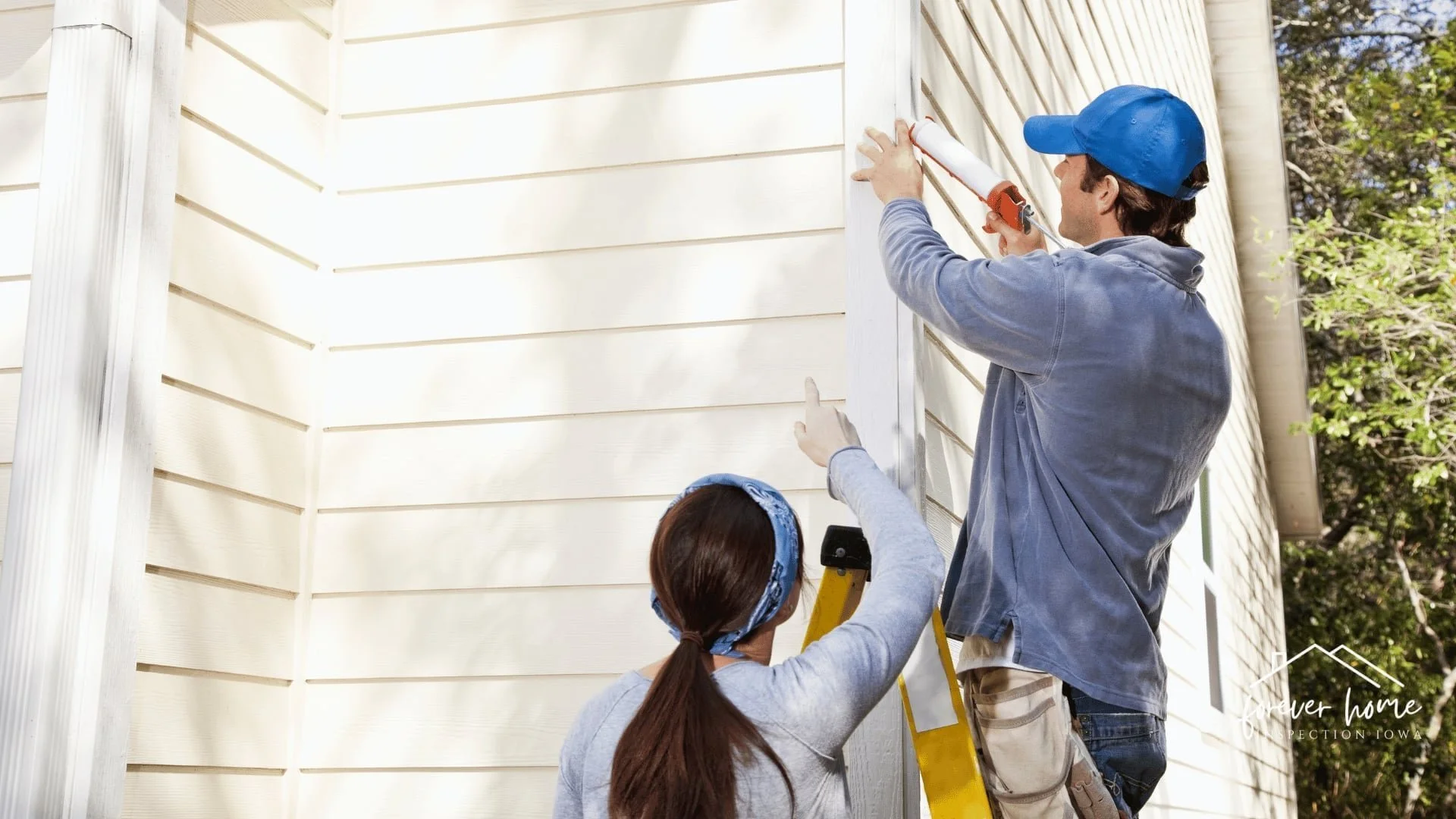
Check siding, brick, and stucco for cracks; apply caulk around exterior doors and windows where gaps could let pests enter
Clean gutters and downspouts; confirm water is directed at least 6 feet away from the foundation with splash blocks
Repair or replace damaged steps, handrails, and loose porch boards (safety hazard flags)
Mow the lawn, edge walkways, and remove debris for curb appeal and a tidy first impression
Test exterior electrical outlets and hose bibs; label any exterior shut-off valves
Roof and Attic
Visually check the roof from the ground for missing shingles, curling edges, or exposed nail heads—call a roofer if anything looks questionable
Remove stored boxes under the attic hatch; lay down a drop cloth if access is through a closet
Inspect the attic with a flashlight for dark stains on sheathing, wet insulation, or signs of active leaks
Make sure attic vents are unobstructed and powered attic fan switches are clearly labeled
Replace air filters and correct any amateur electrical splices or extension cords used as permanent wiring
Interior Living Areas and Bedrooms
Repair minor drywall damage, nail pops, and scuffed paint along high-traffic hallway walls and stairways
Check that doors latch properly, do not rub excessively on frames, and have secure working knobs
Test every window for smooth operation, intact screens, functioning locks, and secure glazing
Replace cracked switch plates, secure loose outlets, and remove obvious extension-cord “solutions”
Guarantee at least one functional smoke alarm per level and one outside each bedroom cluster
Kitchen and Laundry Areas
Clear items stored under the kitchen sink so the inspector can see plumbing fixtures, disposal, and any water staining
Test all major appliances staying with the home: range, oven, dishwasher, built-in microwave, refrigerator
Clean range tops, oven interiors, and refrigerator coils—vacuum coils to boost efficiency 10–15%
Make sure the laundry area is accessible and the dryer vent is not crushed; remove lint from the duct
Upgrade flexible plastic dryer ducting to semi-rigid metal ($100 reduces fire risk by 75%)
Test all smoke detectors and carbon monoxide detectors, and replace batteries as needed to guarantee they are functioning properly during the inspection.
Bathrooms
Run each faucet and shower for several minutes; check for leaks in supply lines, traps, and at toilet bases
Re-caulk around tubs, showers, and sinks where old caulk is cracked or moldy to prevent water intrusion
Make sure exhaust fans operate, are reasonably clean, and vent to the exterior (not into the attic)
Verify toilets are firmly bolted, don’t rock, and flush/refill without running continuously
Fix slow drains with simple hair removal or enzyme cleaners; call a plumber if problems persist
Basement, Crawl Space, and Garage
Remove stored items from around foundation walls so inspectors can assess potential cracks, efflorescence, or moisture stains indicating water damage
Run dehumidifiers a few days before inspection in damp basements (target below 60% RH)
Check that the garage door opener reverses properly when the safety sensor beam is broken
Clear three feet of space around the water heater, furnace, and electrical panel
Correct exposed wiring, open junction boxes, or makeshift supports under beams professionally before the inspector arrives
Paperwork, Access, and Communication
Organization and openness influence how smoothly the inspection process proceeds. Having labeled systems, accessible shut-offs, and ready documentation signals a well-managed property before the first outlet is tested.
Clear communication with both the inspector and the buyer’s agent helps avoid unnecessary delays or alarm over minor defects.
Gathering and Presenting Documentation
Collect building permits and final inspection approvals for additions, finished basements, decks, and structural changes since 2010
Print receipts for big updates: roof replacements, window upgrades, hvac system installations, sewer line repairs
Assemble appliance manuals and warranty cards for items still under coverage
Create a one-page “home facts” sheet listing ages of key major systems: roof, HVAC, water heater
Place this packet neatly on the kitchen counter with a simple label: “Property Information for Inspector”
Ensuring Full Access for the Inspector
Inspectors must note “not inspected” if an area is blocked or locked—this raises buyer concerns and can significantly impact negotiations.
Walk through the home the day before to verify no boxes or furniture block attic scuttles, crawl doors, or utility closets
Label tricky access points with painter’s tape: “Attic access here” or “Main shut-off behind this panel”
Leave keys and remotes for sheds, detached garages, and gate locks in a clearly marked bowl
If certain areas truly cannot be accessed, disclose this in writing ahead of time to avoid suspicion
What to Expect on Inspection Day
Most standard inspections for a 3-bedroom house take 2–3 hours, with the written inspection report delivered within 24–48 hours. The home inspector will photograph many components and may run appliances, cooling systems, and plumbing simultaneously—some noise is normal.
Should You Be There as the Seller?
In many markets, sellers leave the property to give buyers and inspectors space, but remain available by phone. If you stay, avoid following the inspector room to room or arguing about findings.
Leave a short note welcoming the inspector and inviting them to call with questions about unusual features. Maintain a neutral, cooperative attitude—confrontational approaches make buyers more anxious. Buyers typically accompany the inspector, asking questions and taking notes, which is normal.
After the Inspection: Next Steps for Sellers and Buyers
Expect a repair request or credit request once buyers review the report, usually within a few days. These requests can be categorized into safety items, functional issues, and cosmetic concerns. Safety items, such as exposed wiring or missing handrails, often must be addressed. Functional issues, like a leaky sump pump or failed HVAC system, are typically negotiated through repair or credit. Cosmetic concerns, including paint touch-ups or minor cracks, are usually declined or simply disclosed.
Document any agreed-upon necessary repairs with invoices and before-and-after photos for the buyer’s peace of mind. If a deal falls through, strongly consider addressing major potential issues before re-listing to avoid repeat problems. Handling recent repairs proactively helps the next sale proceed smoothly.
Both you and buyers benefit when everyone approaches negotiations with a better understanding of the property’s true condition, allowing for an informed decision.

Home Inspectors Serving Iowa
Forever Home Inspection Iowa is a local, certified, and insured company emphasizing ethics and client care. Built on love and loyalty, we ensure every inspection is thoroughly done, which accompanies a highly detailed, digital report and warranty.
We specialize in homebuyer inspections. Primarily serving homebuyers and sellers within 60 miles of the Des Moines, Iowa area, we’re flexible and purposeful in meeting client needs.
Our team operates throughout Central Iowa, ensuring quality inspection services in areas all around the Des Moines metro.
We serve both urban and rural Iowa communities, providing top-notch inspections for both residential and commercial properties.
Our services include surrounding communities like Norwalk, Urbandale, and others in the region.
Our commitment to comprehensive, dependable inspections extends throughout Central Iowa, ensuring all residents have access to quality inspection services.
We continually strive to meet the diverse needs of Iowan homebuyers and sellers, maintaining excellence in home inspections and helping our fellow citizens across Central Iowa make informed real estate decisions!
How to Schedule Your Home Inspection
Scheduling a home inspection with Forever Home Inspection Iowa is simple and stress-free. Book your inspection online or with a quick phone call—our responsive team makes scheduling easy, a quality our clients and real estate agents consistently appreciate.
We’re not only experts in our field, but qualifying inspections also include a free warranty, adding an extra layer of confidence to your homebuying journey. We’re confident you’ll love partnering with us.
Once scheduled, you’ll receive an email with access to your custom inspection portal, where you can review important documents and complete payment securely. Inspections typically take two to four hours, depending on the size and condition of the property. Every step of the process is designed with your convenience— and peace of mind —in mind!
Reviews From Happy Homebuyers
FAQ: House Inspection Preparation
These questions cover practical concerns not fully addressed above, focusing on timing, costs, and edge cases for a successful home inspection.
How far in advance should I start preparing for a house inspection?
For a standard resale home, start light preparation about 4 weeks before the anticipated inspection date
Big repairs (roof work, foundation repair) may require 3–6 weeks for scheduling and completion
Begin document gathering (permits, receipts, warranties) as soon as you decide to sell
Use the final 3–5 days for cleaning, decluttering, testing plumbing fixtures, and ensuring full access
Even with only a week’s notice, focusing on safety items and obvious maintenance makes a meaningful difference
What should I not try to fix myself before an inspection?
Avoid DIY repairs on gas lines, main electrical panels, structural beams, or major load-bearing walls
Improper fixes create safety hazards and may be called out more harshly in the report
Hire licensed professionals for rewiring circuits, correcting foundation movement, or relocating plumbing stacks
Cosmetic tasks, minor caulking, simple fixture swaps, and basic landscaping are generally safe DIY projects
Document professional work with dated invoices to show buyers the job was done correctly
Do I have to fix everything the inspector finds?
Sellers are usually not legally obligated to fix every line item, but serious electrical issues or structural issues may cause buyers to walk
Most negotiations focus on safety concerns, system failures, and active leaks
Prioritize cost-effective fixes that remove major objections—a well prepared home inspection minimizes surprises
In hot markets, buyers may accept more deficiencies if priced accordingly; slower markets may demand more minor repairs
Discuss the report with your real estate professional to decide what to repair, credit, or disclose
How much time should I allow for the inspector to be in my home?
A typical 1,800–2,500 square foot single-family home inspection takes about 2–3 hours
Larger homes, older properties, or houses with multiple systems may require 3–4 hours
Build a 30-minute buffer on either side of the scheduled window
Make arrangements for pets and work-from-home schedules so the house remains accessible
Keep utilities on for at least 24 hours before and during the inspection so systems can be tested in good working order
What if the buyer wants additional specialized inspections?
Buyers commonly order extra inspections for termites (affects 20% of U.S. homes), radon, mold, sewer lines, or chimneys
Be flexible with scheduling within the timeline allowed in the purchase agreement
Ask for proof of licensure and insurance for additional inspectors who need property access
Treat each visit like a mini-inspection day: provide access, secure pets, leave utilities on
Results from specialty inspections may lead to additional repair negotiations—sellers should prepare to respond promptly ahead of closing
A well prepared home inspection starts weeks before the inspector arrives—not the morning of. By addressing visible signs of wear, organizing documentation, and ensuring full access, you create confidence for buyers and peace of mind for yourself throughout the selling process.
Want More?
Check out other posts we’ve written.