
How Long Do Home Inspections actually Take?

When you’re buying or selling a property, timing matters. How long do home inspections take? The home's size is one of the most important factors affecting how long a home inspection will take, along with contract deadlines, appraisal appointments, and closing dates, so knowing the timing helps you plan your day and avoid last-minute scrambles.
Typically, an inspector spends about two to four hours evaluating a property, but the actual time depends on the size and complexity of the home. Most homes fall within this typical inspection time range, though larger or more complex properties may take longer to inspect due to the increased number of systems and features. Maintaining focus during the inspection is crucial for a thorough evaluation and to make certain that all important aspects of the property are properly assessed. Choosing a reliable inspection business is essential to guarantee a thorough and trustworthy evaluation.
Introduction to the Process
A home inspection is a vital part of the home-buying journey, giving buyers peace of mind and a clear picture of the property’s true condition. During this process, a certified home inspector spends about two to four hours carefully evaluating the house, from the foundation up to the roof. The inspector examines all major systems, including electrical panels, plumbing, and HVAC, as well as structural components like walls and floors. This thorough inspection is designed to uncover any potential issues that could lead to costly repairs down the road. By identifying these concerns early, buyers are empowered to negotiate with confidence and make informed decisions about their investment. Whether you’re purchasing a newer home or an older property, a detailed inspection helps make sure that no surprises are lurking behind the walls or beneath the surface.
Key Takeaways
Most standard home inspections take about two to four hours on site, plus another 24 hours on average to deliver the written report. How long a home inspection take can vary depending on several factors.
Home size, age, condition, and extra systems (like pools or multiple HVAC units) are the biggest drivers of how long a home inspection take.
Small condos can be done in around 60–90 minutes, while large or complex properties can take half a day or more.
A longer inspection usually means a more detailed, careful evaluation—not that something is “wrong” with the house.
Understanding how long a home inspection take helps buyers and sellers plan their day and meet contract deadlines without stress.
Pre-Inspection Preparation
Proper preparation before the inspection can make the process smoother and more efficient for everyone involved. Sellers should make sure that all areas of the property are accessible, including crawl spaces, attics, and utility rooms. Removing clutter and unlocking doors allows the inspector to do a thorough job without unnecessary delays. It’s also important to confirm that all utilities are turned on and that systems like heating, cooling, and plumbing are fully operational, so the inspector can complete a comprehensive evaluation. Buyers are encouraged to attend the inspection, as this is a valuable opportunity to ask questions and gain firsthand insight into the property’s condition. After the inspection, a detailed report will be provided, outlining all findings and offering recommendations for any needed repairs or maintenance. Taking these steps helps guarantee a complete and accurate assessment, giving buyers and sellers confidence in the process.
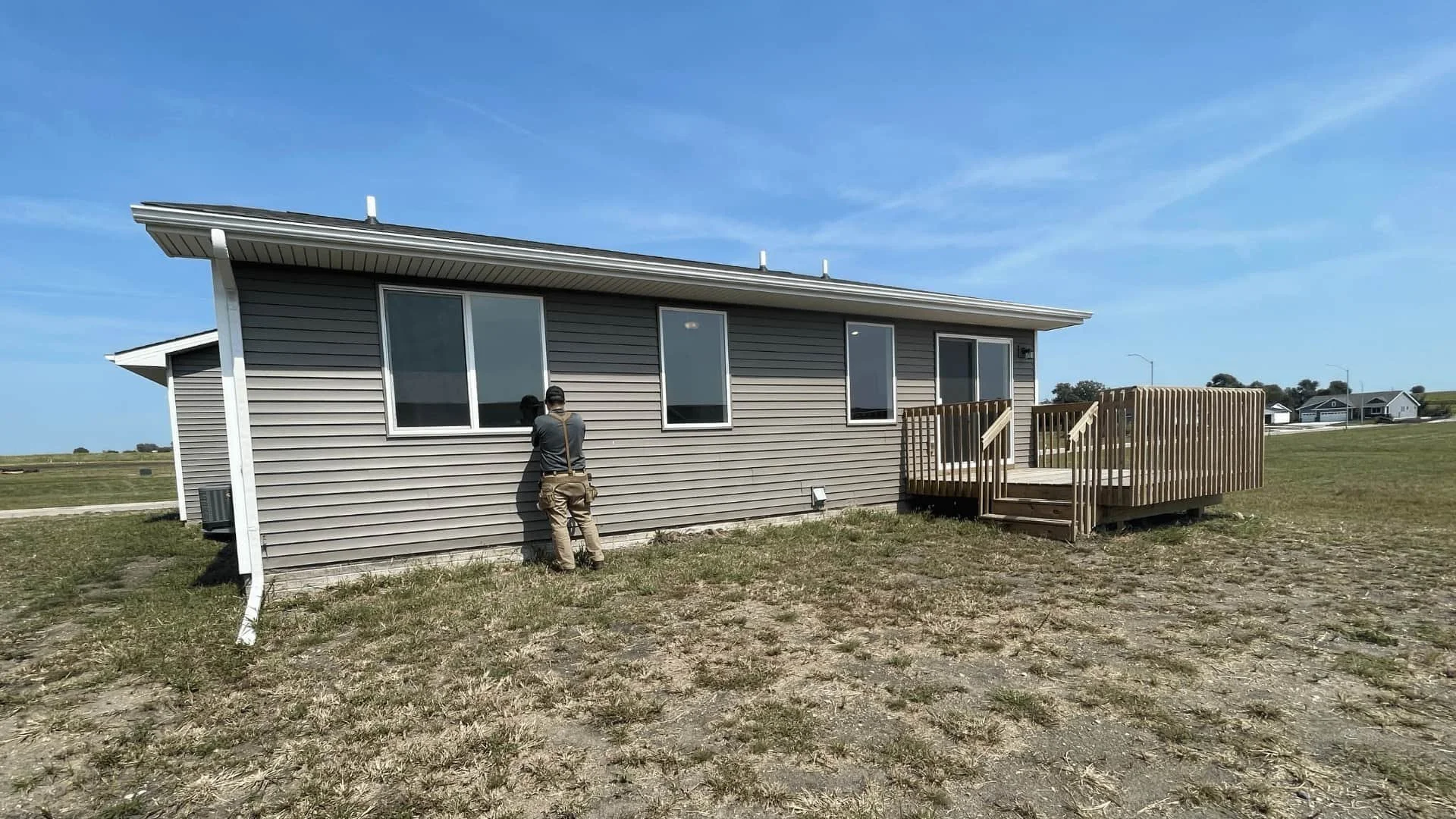
Realistically, how long do home inspections take?
The short answer: most inspections take two to four hours for an average sized home, with the detailed report arriving within about 24 hours. That’s the on-site time your home inspector needs to walk through every accessible area, test the home’s systems, and document their findings.
Inspection timelines usually vary based on the type and size of the property. For a small condo of around 900 square feet, the typical on-site time is about 60 to 90 minutes. An average single-family home of approximately 2,000 square feet generally takes about 2 to 3 hours to inspect. Larger single-family homes around 3,500 square feet typically require 3 to 5 hours on site due to the greater number of rooms, systems, and exterior features that need to be evaluated.
Most inspectors arrive on time, complete a full exterior and interior walkthrough, and spend additional time off-site writing the report. When you hear “inspection take,” remember that includes both phases—the physical examination and the documentation that follows.
The total process time of how long do home inspections take spans 1–2 calendar days from start to report delivery. Rush or same-day reports may be possible with modern digital tools, but they shouldn’t come at the expense of a thorough job. If an inspector offers instant turnaround on a complex property, that’s worth questioning.
Typical Time by Home Size and Type
Square footage and home style give you the best first estimate of how long home inspections will take. The more space an inspector needs to cover, the longer the appointment.
Here are concrete time ranges for common property types:
Studio or one-bedroom condo: 60–90 minutes
1,500–2,000 sq ft single-family house: 2–3 hours
3,000–4,000+ sq ft properties: 3–5 hours or more
Townhomes and duplexes usually fall between condo and single-family timeframes. The variables are shared walls, separate utility systems, and whether you’re inspecting one unit or both.
A simple rule of thumb: add roughly 30 minutes for every additional 500 sq ft beyond about 2,000 sq ft. This accounts for extra bedrooms, bathrooms, and living areas that need individual attention.
For very large multi-family buildings or small apartment complexes, expect most of a full workday or even multiple visits to complete everything properly.
Layout, Floors, and Access Areas
Identical square footage can take dramatically different times depending on layout and number of levels. A sprawling one-story ranch inspects differently than a compact three-story townhouse with the same total area.
More bedrooms, bathrooms, and finished spaces generally add to inspection time. Each room requires checking walls, floors, windows, doors, electrical outlets, and plumbing fixtures. A finished basement with a bathroom and kitchenette essentially doubles certain parts of the inspection.
Two-story and three-story homes usually take longer than a one-story with similar square footage because each floor must be accessed and evaluated separately. The inspector needs to check ceilings, attics, and crawl spaces on multiple levels.
Access areas that add time include:
Attics (checking insulation, ventilation, roof structure)
Crawl spaces (foundation, moisture, plumbing access)
Basements (water intrusion, structural components)
Attached or detached garages (electrical, firewall integrity)
Making these areas easy to reach keeps your appointment within the expected window. Clear attic access, unlocked garage doors, and unblocked crawl space hatches help the inspector takes less time navigating obstacles and more time actually inspecting.
How Age and Condition Change the Timeline
Older homes and homes in poor condition demand extra attention, which extends the visit. A well-maintained 10-year-old home can be inspected faster than a neglected property of the same size.
Homes built before roughly 1980 often have older plumbing, electrical, and foundations that must be checked more carefully. The inspector needs to look for issues that simply don’t exist in newer construction.
Examples of slower-to-inspect items in older homes include:
Knob-and-tube wiring requiring careful outlet testing
Galvanized pipes prone to corrosion
Past structural repairs that need verification
Settlement cracks exceeding 1/4 inch width
Asbestos-containing materials requiring documentation
Expect an additional 30–60 minutes for home older homes built before 1980 compared to newer builds. A 40-year-old home might require testers on every outlet for grounding issues, flashlight inspections in dim attics for rot, and moisture meters in crawl spaces.
Homes showing visible damage, moisture staining, or DIY alterations take longer because the inspector must investigate causes and document more defects. Each potential issue requires a closer look and additional photos.
Impact of Previous Maintenance and Renovations
Homes with regular professional maintenance—HVAC service, roof inspections, pest treatments—may move through the checklist more efficiently. When systems are obviously well-maintained, the inspector can note good condition and move on.
Extensive renovations, additions, or unpermitted work can lengthen inspections as the inspector must understand how old and new components connect. An addition that doesn’t match the original electrical panels or plumbing creates questions that need answers.
Providing permits, warranty documents, and contractor invoices can help the inspector understand the home faster and keep the schedule on track. This is especially valuable for recent work on water heaters, HVAC systems, or roof replacement.
That said, the inspector still must independently verify conditions, even when maintenance records look good. Documentation helps context, but eyes-on evaluation is what you’re paying for.
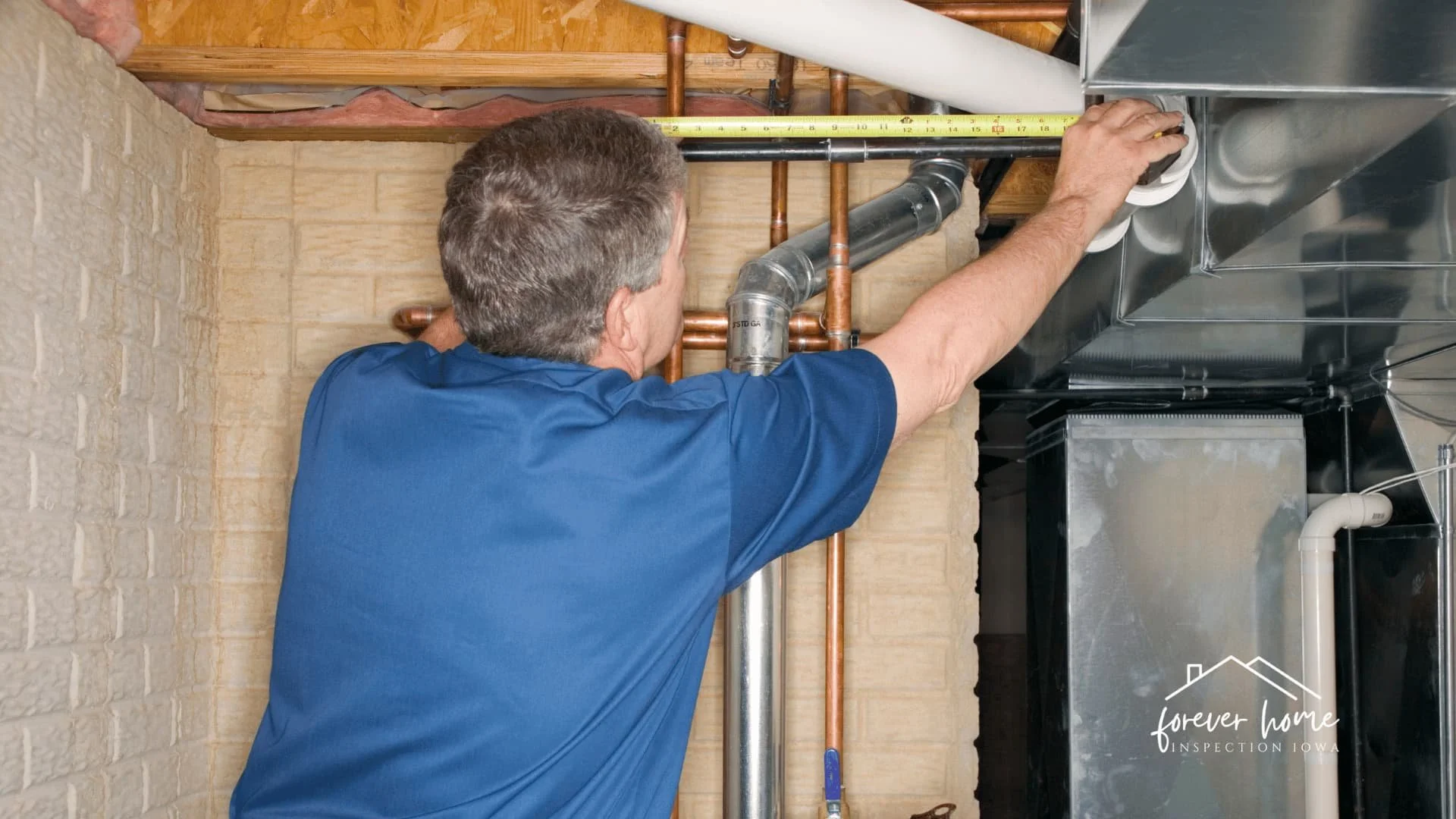
Home Sellers and the Inspection Process
For home sellers, the inspection process is an opportunity to take control of the selling experience and maximize the property’s value. By scheduling a pre listing inspection with a reputable home inspection company, sellers can uncover cosmetic issues, big problems, or necessary repairs before potential buyers ever set foot in the house. Addressing these concerns early allows sellers to fix issues on their own terms, often leading to a faster sale and a higher sales price.
A detailed inspection report provides valuable insights into the property’s condition, which can be used to make targeted repairs or offer credits to the buyer during negotiations. Some home inspection companies even offer specialized services for home sellers, such as a seller’s inspection, which highlights the strengths of the property and helps build buyer confidence. Ultimately, being proactive with inspections and repairs can help home sellers avoid last-minute deal breakers and present their property in the best possible light.
Mortgage Lenders and the Inspection Report
Mortgage lenders rely on the home inspection report as a critical part of the loan approval process. These reports give lenders a comprehensive overview of the property’s condition, highlighting any issues with essential systems like the electrical systems, plumbing system, or structural components. By reviewing the inspection report, mortgage lenders can determine the level of risk associated with the property and may require certain repairs or additional inspections—such as a termite inspection or mold testing—before finalizing the loan.
Home inspection companies play a vital role by providing detailed, photo-rich reports that outline both minor and critical issues, along with recommendations for repairs. This information helps lenders make an informed decision about whether to approve the mortgage and under what conditions. In some cases, the inspection company may be asked to conduct follow-up inspections to verify that required repairs have been completed, ensuring the property meets the lender’s standards for safety and quality.
How Much Does a Great House Inspector Cost in 2025–2026?
National average costs for a standard single-family home inspection in the U.S. typically range from $500–$1000 in 2025–2026. Luxury homes, very large properties, or complex older structures can push costs to $1000 or more.
Several factors influence what you’ll pay:
Square footage: A 1,200 sq. ft. bungalow costs less to inspect than a 3,500 sq. ft. two-story home
Home age: Pre-1950 homes with outdated wiring, plumbing, and construction methods require more scrutiny than post-2000 builds
Location: High-cost coastal cities (San Francisco, New York, Miami) command premium rates compared to smaller markets
Foundation type: Crawlspace or basement access adds complexity and time compared to slab-on-grade construction
In 2025–2026, add-on fees for specialized services typically fall within the following ranges: radon testing generally costs between $100 and $200, termite or wood-destroying organism (WDO) inspections range from $75 to $150, sewer scope inspections usually run between $250 and $400, septic inspections tend to cost from $300 to $600, and mold testing commonly falls in the $150 to $300 range.
Example cost breakdown: For a 2,000 sq. ft. home built in 1995 in a mid-sized city, expect something like: base inspection $425 + radon $150 + sewer scope $325 = $900 total. This investment is minimal compared to the cost of missing a major foundation issue or failing sewer line.
The most expensive inspector isn’t always the best, but very low prices often indicate rushed inspections, lack of insurance coverage, or inexperience. If one inspector quotes $200 while others quote $400–$500, ask why.
How to Find and Vet the Best House Inspector in Your Area
Start your search as soon as your offer is accepted. Most 2025 purchase contracts include 5–10 day inspection windows, and top-rated inspectors often book out 3–5 days in advance during busy spring and summer months.
Here’s a systematic approach to finding and vetting quality professionals:
Gather referrals: Ask your realtor, recent home-buying friends, local real estate investor groups, and search professional association directories (ASHI Find an Inspector, InterNACHI locator). Referrals from people in your neighborhood can be especially valuable, as they reflect local experiences and inspector availability.
Verify credentials: Confirm proper certifications, request proof of E&O and general liability insurance (minimum $500,000 coverage is standard), and verify current membership in a recognized trade organization. Look for inspectors with proven expertise in the type of property and neighborhood you are considering to guarantee a thorough and relevant inspection.
Request sample reports: Look for clear structure, abundant photos, plain-language explanations, and prioritized repair lists—avoid inspectors who provide vague, text-only reports
Check recent reviews: Focus on feedback from the last 12–24 months on Google, Yelp, or Zillow, paying attention to comments about thoroughness, punctuality, and report clarity
Speak directly with the inspector: Before booking, ask how long the inspection will take, whether you can attend (highly recommended), and how soon you’ll receive the completed home inspection report

Extra Systems and Add-On Services That Add Time
Special features and optional tests add to the base inspection time and sometimes require return visits. The more complex your property, the longer inspection time you should expect.
Several common home features can extend the length of an inspection because they require additional systems and areas to be evaluated. For example, each additional HVAC unit typically adds about 15–20 minutes, while an extra water heater may add roughly 10–15 minutes. A swimming pool or spa can increase the inspection time by about 30–45 minutes. Properties that include a guest house or accessory dwelling unit (ADU) often add 60–90 minutes since they function as separate living spaces with their own systems. Finished basements may require an additional 20–45 minutes to inspect thoroughly. Complex electrical setups, such as an electrical subpanel, can add around 20–40 minutes, and homes with a septic system instead of a municipal sewer connection may also add approximately 20–40 minutes to the overall inspection time.
Optional services such as radon testing, mold inspection, sewer scoping, or termite checks extend the total timeline beyond the core inspection. These are separate from the general home inspection and require different expertise or equipment.
Some add-ons (like 48-hour radon tests) do not require the inspector to stay on site the whole time but do extend the overall process window. Plan accordingly if you’re scheduling multiple specialized inspections.
Weather, Utilities, and Other Delays
Certain conditions can slow the inspection or require partial re-scheduling. Weather and access issues are the most common factors that disrupt timing.
Heavy rain, snow, or high winds can prevent safe roof access. The inspector might complete everything else and return when conditions improve to finish the roof portion. This is a safety decision, not a delay tactic.
If utilities (electric, gas, water) are off, the inspector cannot fully test systems. Electrical panels can’t be evaluated without power. Plumbing fixtures can’t be run without water. HVAC systems can’t cycle without gas. This can either shorten the visit or require a second trip at additional cost.
Sellers or listing agents should confirm all utilities are on and pilot lights are lit before the inspection to avoid time-wasting complications. This is one of the most common preventable delays in real estate transactions.
Cluttered rooms, locked doors, or pets that block access can cause slowdowns or incomplete coverage during the scheduled slot. The inspector can only inspect what they can actually reach.
Inspection Scope and Requirements
The scope of a home inspection covers all the major systems and structural components that make up a property. Most inspectors will spend two to four hours on site, with larger homes or those with complex systems requiring a longer inspection. During this time, the inspector will assess the roof, foundation, walls, floors, plumbing, electrical, and HVAC systems, looking for signs of wear, damage, or potential issues. In addition to the standard inspection, buyers may choose to add specialized services such as a mold inspection or termite check for a more comprehensive evaluation. The final report provides a detailed overview of the property’s condition, highlighting any areas of concern and offering recommendations for repairs or further investigation. By understanding what’s included in the inspection and what additional services are available, buyers can guarantee they receive a thorough and accurate assessment, helping them make confident decisions about their new home.
What Happens During the Inspection (and How Long Each Part Takes)
Inspectors follow a structured path through the home, spending time on major systems rather than cosmetics. Home inspectors check every room in the house, focusing on major systems and structures. They’re checking the foundation, not whether the paint colors match. Built-in appliances are also tested to make sure they function correctly during the inspection.
For a typical 2,000-square-foot home, the inspection is usually completed in several phases, each focusing on different parts of the property. The exterior portion generally takes about 20–30 minutes and includes checking siding, the foundation, grading, and drainage. The roof inspection usually takes 15–25 minutes and involves evaluating shingles, flashing, gutters, and chimneys. Inspecting interior rooms typically takes 30–45 minutes and includes reviewing walls, floors, ceilings, windows, and doors. The electrical system is usually examined for about 15–20 minutes, focusing on panels, outlets, GFCI protection, and visible wiring. Plumbing inspection also takes around 15–20 minutes and includes fixtures, supply lines, drains, and the water heater. The HVAC system, including the furnace, air conditioner, ductwork, filters, and thermostats, generally requires another 15–20 minutes. Finally, the attic and crawl spaces are inspected for about 15–25 minutes to assess insulation, ventilation, moisture conditions, and structural components.
Most inspectors take many photos, short notes, and sometimes videos as they go. This adds minutes on-site but speeds up later report writing significantly.
Inspecting safety items—like electrical panels, GFCI outlets, furnace exhaust, and railings—gets focused attention and cannot be rushed. These are the findings that could affect your family’s safety.
The thorough inspection aims for visible and accessible conditions only. Hidden issues behind walls or under finishes cannot be fully evaluated in the allotted time. If the inspector suspects concealed problems, they’ll recommend specialist follow-up.
From Walkthrough to Finished Report
After leaving the property, the inspector reviews notes, organizes photos, and writes a narrative report, often the same afternoon or evening. Modern tools enable real-time note-taking and photo annotation, speeding this process considerably.
Typical report delivery timeframes:
Standard inspections: Within 24 hours
Complex properties: Up to 48 hours
Same-day rush: Available with some inspectors using digital platforms
The detailed report includes summaries of major issues, safety concerns, maintenance items, and annotated photos. Defects are typically rated by severity—safety hazards as immediate priorities, maintenance items as future concerns.
Buyers, sellers, and their agent use this report for repair requests, negotiation, and planning future maintenance. Careful compiling is worth the extra off-site time because this document drives significant money decisions.
Should You Attend the Home Inspection—and Will That Slow Things Down?
If you’re the buyer, plan to attend at least part of the inspection if possible. Being present allows you to see potential issues firsthand, ask questions, and learn where key shut-offs and filters are located.
That said, having extra people trailing the inspector through tight spaces can slow the process if not managed politely. Following someone through a crawl space or attic access isn’t practical, and constant questions during critical testing phases can break concentration.
A good compromise: arrive for the last 30–60 minutes to hear the verbal summary and walk through major findings without interrupting earlier testing. This gives you the educational benefit without extending the appointment unnecessarily.
If you cannot attend, you can still review the report thoroughly afterward and schedule a phone or video call with the inspector to go over concerns. Most inspectors are happy to explain their findings to their client.
Why the Length of the Inspection Matters
Inspection length connects directly to contract timelines, appraisal deadlines, and closing dates. Most real estate contracts include an inspection contingency period—typically 7–10 business days—during which all evaluations must be complete.
Underestimating time can lead to:
Back-to-back appointments that create scheduling conflicts
Rushed inspectors who might miss important details
Needing to leave before the wrap-up conversation
Stress about meeting contingency deadlines
A very short inspection for an average-sized home may be a red flag. If someone promises to complete a 2,500 sq ft older home in 90 minutes, they’re likely overbooked or cutting corners.
Conversely, a slightly longer inspection time than expected is often a sign of thoroughness, not necessarily serious defects. When most inspections run a bit over the estimate, it usually means the inspector is doing their thorough job rather than rushing through.
Before booking, ask prospective inspectors how long they typically spend on a home of similar size and what’s included in that timeframe. Their answer tells you a lot about their process and professionalism.

Home Inspectors Serving Iowa
Forever Home Inspection Iowa is a local, certified, and insured company emphasizing ethics and client care. Built on love and loyalty, we ensure every inspection is thoroughly done, which accompanies a highly detailed, digital report and warranty.
We specialize in homebuyer inspections. Primarily serving homebuyers and sellers within 60 miles of the Des Moines, Iowa area, we’re flexible and purposeful in meeting client needs.
Our team operates throughout Central Iowa, ensuring quality inspection services in areas all around the Des Moines metro.
We serve both urban and rural Iowa communities, providing top-notch inspections for both residential and commercial properties.
Our services include surrounding communities like Clive, and Altoona, and others in the region.
Our commitment to comprehensive, dependable inspections extends throughout Central Iowa, ensuring all residents have access to quality inspection services.
We continually strive to meet the diverse needs of Iowan homebuyers and sellers, maintaining excellence in home inspections and helping our fellow citizens across Central Iowa make informed real estate decisions!
How to Schedule Your Home Inspection
Scheduling a home inspection with Forever Home Inspection Iowa is simple and stress-free. Book your inspection online or with a quick phone call—our responsive team makes scheduling easy, a quality our clients and real estate agents consistently appreciate.
We’re not only experts in our field, but qualifying inspections also include a free warranty, adding an extra layer of confidence to your homebuying journey. We’re confident you’ll love partnering with us.
Once scheduled, you’ll receive an email with access to your custom inspection portal, where you can review important documents and complete payment securely. Inspections typically take two to four hours, depending on the size and condition of the property. Every step of the process is designed with your convenience— and peace of mind —in mind!
Reviews From Happy Homebuyers
FAQ
Can a home inspection be done in under an hour?
Sub-one-hour inspections are extremely rare for a full home and usually indicate a limited, cursory check rather than a standard, comprehensive inspection. The only exception is small condos under 900 sq ft with minimal systems to evaluate. Buyers should be cautious of very short appointments advertised as complete inspections, especially for properties larger than a small condo or those with multiple systems to inspect.
Does a new construction home take less time to inspect?
Brand-new homes often inspect faster than older properties because systems are modern and show minimal wear. However, builders can still make mistakes—missed connections, installation errors, or cosmetic damage during construction. The inspector still needs a full visit, typically 1.5–3 hours depending on size and complexity. Don’t skip the inspection just because the house is new.
How far in advance should I schedule a home inspection?
Book the inspection as soon as the purchase contract is signed, ideally within the first few days of the inspection contingency period. In busy seasons (typically spring and summer), quality inspectors may be booked several days to weeks out. Early scheduling helps avoid last-minute time pressure and gives you room to schedule follow-up specialists if the report reveals issues requiring a mold inspection or other additional evaluations.
Will the inspector tell me exactly how long everything will last?
Inspectors generally do not guarantee remaining lifespan of systems but will describe visible age, condition, and any signs of wear. For example, they might note that an HVAC system appears to be 15 years old and shows signs of deferred maintenance, while the typical lifespan for that equipment is 15–20 years. Use this information to budget for future replacements rather than expect precise end-of-life predictions.
What if the inspection takes longer than the seller expected?
It’s normal for an inspection to run a bit long, especially on older homes or bigger homes with multiple systems. Sellers should allow a buffer in their schedule— plan for at least a half-hour cushion beyond the estimated window. If the seller or their agent pressures the inspector to leave early, it can result in incomplete coverage, which creates problems for everyone involved in the selling process.
Want More?
Check out other posts we’ve written.