
Should A Buyer Be Present During Home Inspection?

Key Takeaways
Clients should absolutely be present during home inspections to protect their investment and gain valuable insights about the property.
Being present allows buyers to ask questions directly, understand maintenance requirements, and witness potential issues firsthand.
For the most part, only essential parties should attend—buyer, buyer’s agent, buying agent, and inspector—while sellers, family, and contractors should generally stay away.
The seller's agent should generally not attend the home inspection to avoid conflicts of interest and guarantee the process is unbiased.
First time home buyers especially benefit from attending the inspection, as it provides valuable education and helps them visualize themselves as future homeowners.
Buyers should connect with the home inspector at the end of the inspection to ask questions, learn about the home’s systems, and makes certain they get the most value from the process.
During negotiations, buyers can request a credit toward closing costs for repairs identified during the inspection, which can impact the final closing and provide funds for post-closing repairs.
When you’re investing hundreds of thousands of dollars in your future home, every decision matters. One question that consistently comes up during the buying process is whether you should be present during your home inspection. While this might seem like a straightforward decision, you’ll find conflicting advice from different real estate professionals, with some encouraging attendance and others suggesting you skip it entirely.
The home inspection represents one of your most important opportunities to understand what you’re actually buying. This professional evaluation typically costs between $500-$1,000 and can reveal everything from minor maintenance needs to major structural concerns that could cost thousands to address. Given that you’re paying for this service and that the findings could significantly impact your purchase decision, the question isn’t really whether you should attend - it’s how to make the most of your attendance.
Most inspectors strongly recommend that buyers be present, especially first time home buyers who can benefit enormously from the educational aspect of the inspection process. However, the inspection should be approached strategically, with clear understanding of who should attend, what to expect, and how to maximize the value of your time there. Technical information shared during the inspection can be overwhelming, especially for first-time buyers, so it’s important to ask questions and take notes to guarantee you fully understand the findings.
The Direct Answer: Yes, Buyers Should Be Present
The short answer to whether the buyer should be present during a home inspection is an emphatic yes. As the person paying for the inspection services and making the largest financial investment, you have every right to be there - and more importantly, significant benefits await those who attend. By coming at the end of the inspection to connect with the home inspector, buyers gain firsthand knowledge of the property’s condition and can observe potential issues as they are discovered. If major, unexpected issues are uncovered during the inspection, this can cause emotional stress for buyers, making it even more important to be present and informed.
Your home inspection report will provide detailed documentation of the inspector’s findings, complete with photos and written explanations. However, this written report cannot replace the value of real-time explanations from the independent home inspector. When you’re present, you can ask immediate questions about severity, typical repair costs, and maintenance requirements that go far beyond what appears in the formal documentation. Additionally, the inspection offers valuable maintenance tips that may not be included in the final report, giving you practical knowledge for future upkeep. The findings from the inspection can also impact your mortgage approval or terms, as lenders may require certain repairs or reconsider the loan based on the property’s condition.
Some real estate agents discourage buyer attendance, often citing concerns that seeing problems firsthand might cause unnecessary anxiety or complicate the deal. While their intentions may be good, this advice doesn’t serve your best interest as the buyer. You’re not just purchasing a house - you’re investing in your future home, and understanding its condition thoroughly is crucial for making an informed decision.
The inspection process typically takes 3-4 hours, depending on the size and age of the property. If you can’t attend the entire inspection due to work or other commitments, plan to join for at least the final hour when the home inspector provides their summary and answers questions. This summary period is often when the most valuable educational conversations occur, and talking with the inspector at this time allows you to clarify any concerns and makes sure you fully understand the findings. A thorough inspection usually takes several hours, requiring a significant time commitment from the buyer, but the insights gained are well worth the effort.
Remember that once you close on the property, any issues discovered become your responsibility and expense. Being present during the inspection helps guarantee you understand exactly what you’re taking on, both immediately and in the years ahead. The inspector can shed light on hidden issues that may not be obvious in the report, giving you a clearer picture of the home’s true condition. If repairs are needed, buyers can negotiate with the seller to request a credit toward closing costs instead of asking for repairs, which can help manage your finances at closing and provide funds for repairs after you take ownership. Attending the inspection can also build confidence in the investment and reduce the likelihood of buyer’s remorse, as you’ll have a better understanding of the property’s strengths and weaknesses.
Key Benefits of Attending Your Home Inspection
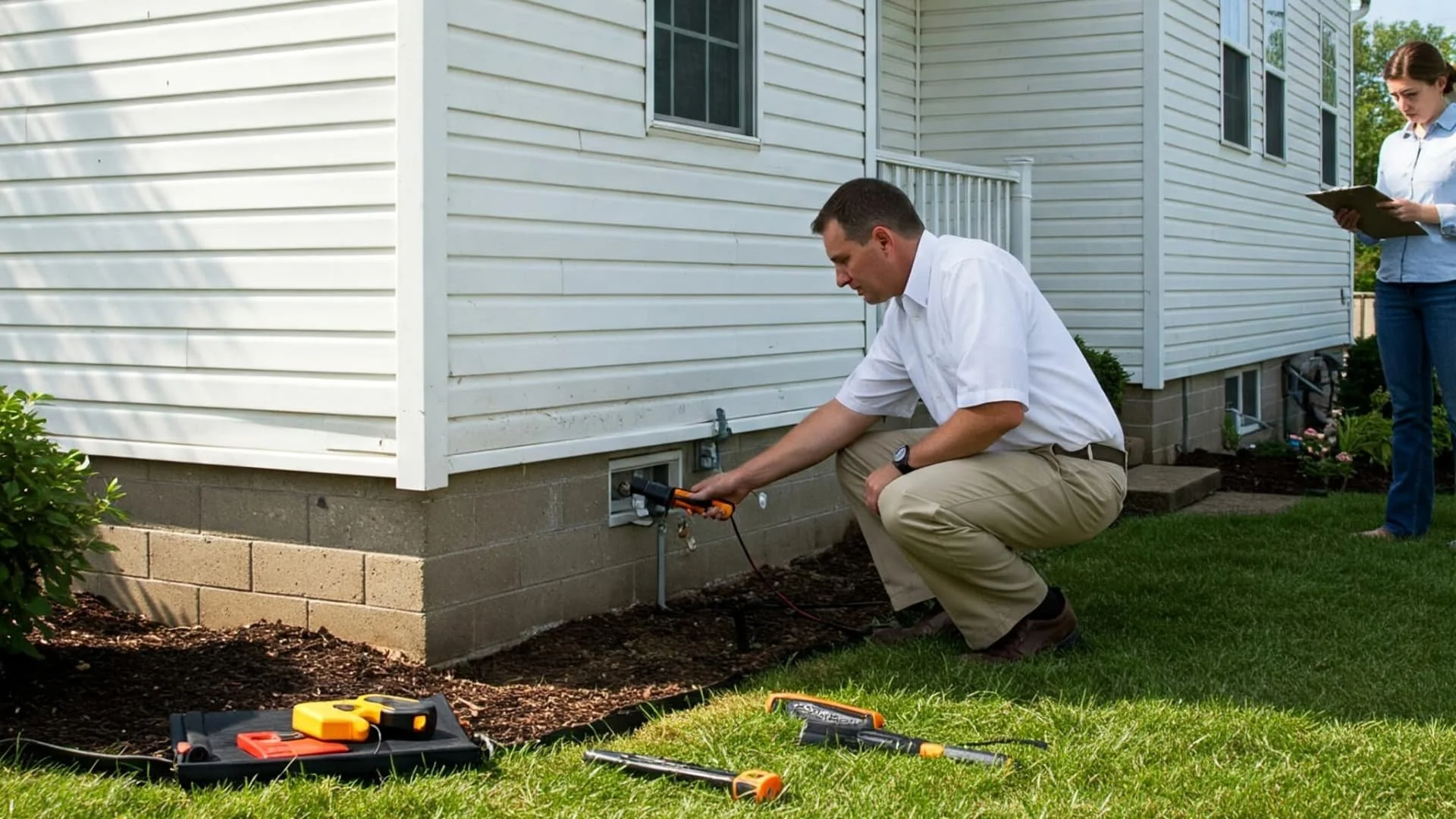
When you attend your home inspection, you transform what could be a simple pass/fail evaluation into a comprehensive educational experience about your potential new home. Being present confirms that you don’t miss important issues that could affect your decision. The benefits extend far beyond just observing the inspector’s work – you have the opportunity to inspect the home alongside the professional, and attending with your buying agent can help you better understand the property and ask informed questions, gaining insights that can influence your purchase decision and save you money for years to come.
By being there, buyers can learn about all sorts of important stuff related to the home’s systems and maintenance, helping them make more informed choices and avoid misunderstandings or missed issues.
Learning About Home Maintenance
One of the most valuable aspects of attending your home inspection is the informal education you receive about maintaining your future home. In fact, the inspection serves as a practical course in home maintenance, giving buyers a structured opportunity to learn directly from a professional. Most inspectors are happy to answer questions and share practical knowledge as they work through different systems and components.
During the inspection, you’ll learn crucial details like where to find your main water shutoff valve, how often to replace HVAC filters, and basic electrical panel safety. Your home inspector will point out maintenance items that, while not defects, require regular attention to prevent bigger problems down the road. For example, they might explain proper caulking around windows and doors, or demonstrate how to test GFCI outlets in bathrooms and kitchens.
This hands-on education is particularly valuable for first-time buyers who may not have experience with home maintenance responsibilities. Understanding these basics can save you hundreds of dollars in service calls for simple tasks you can handle yourself, and help you spot minor concerns before they become major repairs.
Understanding Major Issues Firsthand
Reading about a cracked foundation in an inspection report feels very different from seeing it in person and having the inspector explain its likely causes and implications. When you’re present during the inspection, you gain context that helps you properly evaluate the severity of different findings.
For instance, what might sound alarming in a written report - such as “electrical panel shows signs of corrosion” - could be explained in person as surface oxidation that’s cosmetic rather than dangerous. Conversely, issues that seem minor in writing might reveal themselves as more concerning when you see them firsthand and understand their potential impact on your daily life. Sometimes, what appears to be not a big deal on paper could actually turn out to be a big deal when you see the problem up close and learn about its implications. Being present also helps you distinguish between cosmetic issues and structural concerns. A first-time buyer might panic over scuffed walls or outdated fixtures, while overlooking more serious problems like inadequate ventilation or grading issues that could lead to water damage. Your inspector can help you focus on what truly matters for the safety and value of your investment.
Most importantly, seeing issues in person helps you make realistic assessments about repair costs and timelines. This knowledge proves invaluable during negotiations, as you can discuss specific problems with confidence and request appropriate concessions or repairs from the seller.
Who Should Attend the Home Inspection
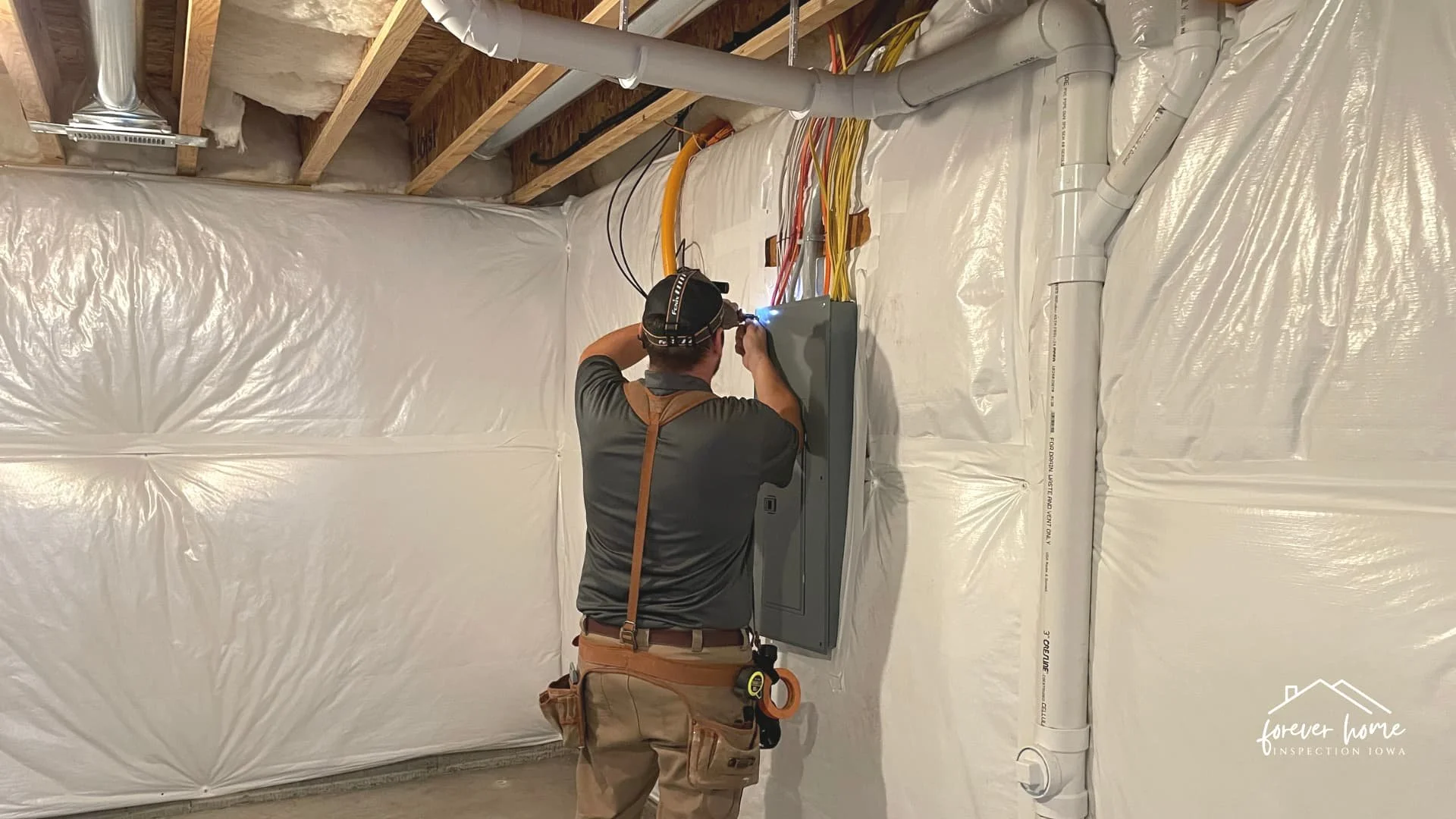
Understanding who should be present during your home inspection helps see to it that the process runs smoothly and efficiently. While the inspection is ultimately about the property’s condition, the people present—especially the owner, buyer, buyer’s agent, buying agent, and inspector—can significantly impact how much value you extract from the experience. The buyer's agent plays an important role in asking questions, understanding the home's condition, and negotiating repairs or credits on behalf of the buyer. Being present allows the owner or buyer to fully understand the property’s condition. The seller’s agent, however, should generally not be present at the inspection to avoid potential issues such as unwelcome pressure or influence on the inspection process.
The Home Inspector
The home inspector is obviously the essential attendee, as they’re the certified professional conducting the evaluation. A qualified independent home inspector will systematically examine all major systems including structural components, electrical, plumbing, HVAC, roofing, and more. In fact, the home inspector is the only person who has to be present during a home inspection, though buyers are strongly encouraged to attend to maximize the value of the process.
Your inspector’s job is to identify defects, safety concerns, and items nearing the end of their useful life. They should provide objective, unbiased observations based on industry standards and their professional experience. Most inspectors welcome questions at the end of the inspection and often provide valuable context that doesn’t make it into the formal report.
It’s important to hire a qualified professional for the job to guarantee a thorough and accurate assessment of the property’s condition.
Choose an inspector who encourages client participation and takes time to explain their findings clearly. This educational approach transforms the inspection from a simple checklist exercise into a valuable learning experience about your potential home.
The Buyer
As the person paying for the inspection and potentially purchasing the property, your presence provides the greatest benefit. You’re the one who will live with any issues discovered and pay for future repairs, making your attendance crucial for informed decision-making.
When you attend the home inspection, you can ask specific questions about maintenance requirements, typical lifespans of different components, and realistic repair costs. You’ll also get a feel for the overall condition and quality of the property that photos and written descriptions simply cannot convey. It's important to make sure that every space, including the attic and crawl space, is thoroughly inspected, as these areas can reveal hidden issues that may impact your decision.
Prioritize being present for the final summary period when the inspector reviews their key findings. This typically occurs during the last 30-60 minutes of the inspection and often provides the most concentrated value for your time.
The Buyer’s Agent
Your buyer’s agent serves as your representative and advocate throughout the purchase process, making their attendance at the inspection valuable for several reasons. The buyer's agent is present to ask questions on your behalf during the inspection, ensuring that any concerns you have are addressed directly with the inspector. They also facilitate clear communication between you and the inspector, helping you understand the significance of any issues found. Experienced buyer’s agents and realtors understand how inspection findings translate into negotiation opportunities and can help you prioritize which issues to address with the seller. By leveraging inspection findings, your agent can negotiate credits or repairs with the seller, ensuring you get the best possible terms.
A knowledgeable real estate agent can also help you understand local market conditions - for example, whether certain defects are common for homes of this age and price range, or if discovered problems represent unusually serious concerns. They can provide context about typical seller responses to different types of repair requests.
However, remember that your agent isn’t a technical expert. They should defer to the home inspector for all technical questions and focus on helping you understand the business and negotiation implications of the findings.
Who Should Not Attend the Home Inspection
While your home inspection is an important milestone in the purchase process, having too many people present can create complications and reduce the educational value for buyers. The seller's agent, in particular, should generally not attend the inspection to avoid conflicts of interest, as well as to prevent any potential pressure or undue influence on the process. If a party is unable to attend the inspection, they should arrange to receive a detailed report or schedule a follow-up with the inspector. Understanding who should generally stay away helps guarantee a productive inspection experience.
Sellers and Listing Agents
Seller presence during the buyer’s home inspection can create an uncomfortable and counterproductive environment. When sellers are present, they often become defensive about criticism of their property, sometimes disputing the inspector’s findings or minimizing the significance of discovered problems. Most inspectors and buyers prefer that the seller is not present during the inspection, as this warrants open communication and allows the buyer to focus on understanding the property’s condition without unnecessary distractions. Similarly, the seller’s agent generally should not attend the inspection to avoid potential issues such as unwelcome pressure or influence on the inspection process. The seller's agent typically should not attend the home inspection to avoid conflicts of interest.
This defensiveness can interfere with open communication between you and your home inspector. Instead of receiving candid explanations about defects and their implications, you might find yourself in the middle of disputes about the inspector’s findings. Inspectors report that they sometimes hold back certain observations when sellers are present, planning to discuss them privately with buyers later.
Sellers may also attempt to provide their own explanations for problems, which can confuse matters since they typically lack the technical expertise to properly diagnose issues. While their intentions might be good, seller commentary can muddy the waters when you’re trying to understand professional inspection findings.
If sellers insist on being present for logistical reasons - such as providing access to certain areas or explaining unusual features - they should limit their involvement to these specific needs and avoid commenting on the inspector’s work.
Family and Friends
While it’s natural to want input from trusted family and friends about such a major purchase, their presence during the inspection often proves more distracting than helpful. Well-meaning relatives may focus on minor cosmetic concerns while overlooking significant structural or mechanical issues identified by the inspector. Family and friends of the buyer should generally not attend the home inspection to avoid distractions, making certain that the buyer can focus on the inspector’s findings and recommendations.
Family members without construction or real estate experience might also ask questions that take time away from your own learning opportunities, or express opinions that increase anxiety without adding meaningful insight. The inspection period represents limited time with a professional expert - maximize this opportunity by keeping the focus on essential attendees.
Instead of bringing family to the inspection, consider sharing the written inspection report with trusted advisors afterward. This approach allows them to provide input without interfering with the professional evaluation process or creating distractions during the on-site examination.
Contractors and Third Parties
While you might be tempted to bring contractors to get immediate repair estimates, most inspectors prefer that other professionals review the written report rather than attend the inspection itself. Having multiple experts present can create conflicting opinions and slow down the inspection process.
Different contractors may disagree with inspection findings or want to examine issues in greater detail than time allows. This can create confusion and pressure situations where you’re expected to make decisions without adequate information or consideration.
A better approach is to request the inspector’s report promptly after the inspection, then share relevant sections with qualified contractors for detailed estimates on any major repairs. This allows you to get professional input without complicating the inspection process or creating schedule conflicts.

When Buyers Might Consider Limited Attendance
While full attendance at your home inspection provides maximum benefit, practical constraints sometimes require compromise solutions. Understanding how to make the most of limited time or challenging circumstances helps guarantee you still gain valuable insights about your potential purchase.
Time Constraints and Work Schedules
Many buyers face scheduling challenges due to work commitments, especially when inspections occur during standard business hours. Focus on being present for the most valuable portions.
The final summary period, typically the last 30-60 minutes, often provides the highest concentration of useful information. During this time, the home inspector reviews major concerns, explains findings in detail, and answers questions about maintenance and safety issues. Many inspectors are willing to schedule this summary period at a time that works better for your schedule in the form of a phone call.
If even limited attendance proves impossible, consider having a trusted representative attend on your behalf - such as your buyer’s agent or a knowledgeable family member who can ask questions and take detailed notes. However, plan to have a thorough phone conversation with your inspector after they complete their work to discuss any significant findings.
Some inspectors are also willing to provide virtual attendance options, using video calls to walk you through key findings in real-time. While not as ideal as being physically present, this approach allows for immediate questions and explanations that you won’t get from just reading the written report.
Long-Distance Purchases
Buyers relocating from other states or purchasing investment properties often cannot practically attend their home inspection. In these situations, having an experienced buyer’s agent becomes even more critical, as they serve as your eyes and ears during the process.
When distance prevents your attendance, make certain your agent understands your priorities and concerns before the inspection begins. Provide them with a list of specific questions to ask the inspector about major systems, safety issues, and maintenance requirements. Request that they take extensive photos or video during the inspection to supplement the formal report.
Consider scheduling a video call with your inspector immediately after the inspection concludes, while findings are fresh in their mind and they’re still at the property. This allows for real-time questions and clarifications that might not be clear from written documentation alone.
Remote buyers should also plan extra time for reviewing the inspector’s report thoroughly and potentially scheduling follow-up consultations with local contractors for major concerns before finalizing their purchase decision.

Maximizing Your Inspection Attendance
When you attend your home inspection, preparation and the right approach can dramatically increase the value you receive from the experience. Being present allows you to make informed decisions about your dream home, guaranteeing you fully understand its condition before moving forward. Understanding what to ask, what to observe, and how to conduct yourself during the inspection helps make sure you leave with actionable knowledge about your potential home.
Questions to Ask Your Inspector
Prepare a list of questions in advance, but don’t be afraid to ask follow-up questions as issues arise during the inspection. Focus on practical concerns that will affect your ownership experience rather than theoretical problems or property value questions.
Ask about the expected lifespan of major components like the roof, HVAC system, and water heater. Understanding when these expensive items might need replacement helps you budget for future costs and potentially negotiate current repairs or credits. For example, “How many more years would you expect to get from this furnace?” provides much more useful information than “Is this furnace okay?”
Inquire about maintenance requirements and costs for different systems. Questions like “How often should I have the HVAC serviced?” or “What’s the best way to prevent ice dams on this roof style?” provide practical knowledge you’ll use as a homeowner. Your inspector can also explain which maintenance tasks you can handle yourself versus those requiring professional service.
For any problems discovered, ask about urgency and typical repair costs. Understanding whether an issue needs immediate attention or can wait helps you prioritize requests to the seller and plan your post-purchase activities. However, remember that inspectors typically cannot provide specific cost estimates - they can only offer general ranges based on their experience.
What to Observe and Document
While your inspector handles the technical evaluation, you should focus on observing things that will affect your daily life in the home. Pay attention to water pressure in different fixtures, temperature variations between rooms, noise levels from mechanical equipment, and overall maintenance quality throughout the property.
Take notes about maintenance locations and procedures demonstrated by your inspector. Document where to find shutoff valves, electrical panels, HVAC filters, and other important access points. This information proves invaluable when you become the homeowner and need to handle routine maintenance or emergency situations.
Notice the overall quality of workmanship in different areas of the home. While cosmetic issues shouldn’t derail a deal, patterns of poor workmanship might indicate other problems or suggest previous DIY work that wasn’t done to professional standards. Your inspector can help you distinguish between acceptable wear and concerning maintenance patterns.
Don’t let minor cosmetic concerns overshadow major mechanical or structural findings. It’s easy to focus on scuffed paint or worn carpeting while overlooking more significant issues like electrical safety concerns or plumbing problems. Trust your inspector’s expertise about what truly matters for the property’s condition and value.
Stay focused on taking notes about actionable items rather than trying to photograph everything. Your inspector’s report will include comprehensive documentation with photos - use your time to understand explanations and ask questions rather than duplicating their documentation efforts.

Home Inspectors Serving Iowa
Forever Home Inspection Iowa is a local, certified, and insured company emphasizing ethics and client care. Built on love and loyalty, we ensure every inspection is thoroughly done, which accompanies a highly detailed, digital report and warranty.
We specialize in homebuyer inspections. Primarily serving homebuyers and sellers within 60 miles of the Des Moines, Iowa area, we’re flexible and purposeful in meeting client needs.
Our team operates throughout Central Iowa, ensuring quality inspection services in areas all around the Des Moines metro.
We serve both urban and rural Iowa communities, providing top-notch inspections for both residential and commercial properties.
Our services include surrounding communities like Waukee, Windsor Heights, and others in the region.
Our commitment to comprehensive, dependable inspections extends throughout Central Iowa, ensuring all residents have access to quality inspection services.
We continually strive to meet the diverse needs of Iowan homebuyers and sellers, maintaining excellence in home inspections and helping our fellow citizens across Central Iowa make informed real estate decisions!
How to Schedule Your Home Inspection
Scheduling a home inspection with Forever Home Inspection Iowa is simple and stress-free. Book your inspection online or with a quick phone call—our responsive team makes scheduling easy, a quality our clients and real estate agents consistently appreciate.
We’re not only experts in our field, but qualifying inspections also include a free warranty, adding an extra layer of confidence to your homebuying journey. We’re confident you’ll love partnering with us.
Once scheduled, you’ll receive an email with access to your custom inspection portal, where you can review important documents and complete payment securely. Inspections typically take two to four hours, depending on the size and condition of the property. Every step of the process is designed with your convenience— and peace of mind —in mind!
Reviews From Happy Homebuyers
FREQUENTLY ASKED QUESTIONS
Can I bring my contractor to the home inspection?
While it’s understandable to want immediate repair estimates, most inspectors prefer that contractors review the written report rather than attend the inspection itself. Having multiple professionals present can slow down the process and create conflicting opinions. A general contractor should not attend the home inspection as they may misinterpret the inspector's findings, potentially leading to confusion or unnecessary concerns. A better approach is to share the inspection report with contractors afterward for detailed estimates on any major concerns.
What happens if my real estate agent doesn’t want me to attend?
If your agent discourages attendance at your home inspection, politely but firmly insist on being present. As the person paying for the inspection and potentially purchasing the property, you have every right to attend. Explain that you want to learn about the home’s condition firsthand and that this is important for your confidence in the purchase decision.
How long does a typical home inspection take and when should I arrive?
A standard home inspection typically takes 3-4 hours, depending on the property size and age. Plan to arrive for the final hour when the inspector provides their summary and answers questions. Most inspectors are happy to accommodate your schedule for this important discussion period.
Can I request the seller not be present during my inspection?
Yes, you can absolutely request that the seller not attend your home inspection. In fact, this is considered best practice by most professionals. Seller presence can create uncomfortable situations and may prevent open discussion of problems. Include this request in your inspection contingency or have your agent coordinate with the listing agent to guarantee privacy during the inspection.
What should I do if I can’t attend but want to be involved in the process?
If you cannot physically attend, consider having your buyer’s agent represent you with a detailed list of questions to ask. Some inspectors also offer virtual attendance via video call, allowing you to see key findings in real-time. Schedule a phone conversation with your inspector immediately after completion to discuss major findings while they’re still fresh in their mind and preferably still at the property.
Want More?
Check out other posts we’ve written.