
Best House Inspector: How to Choose the Right Expert
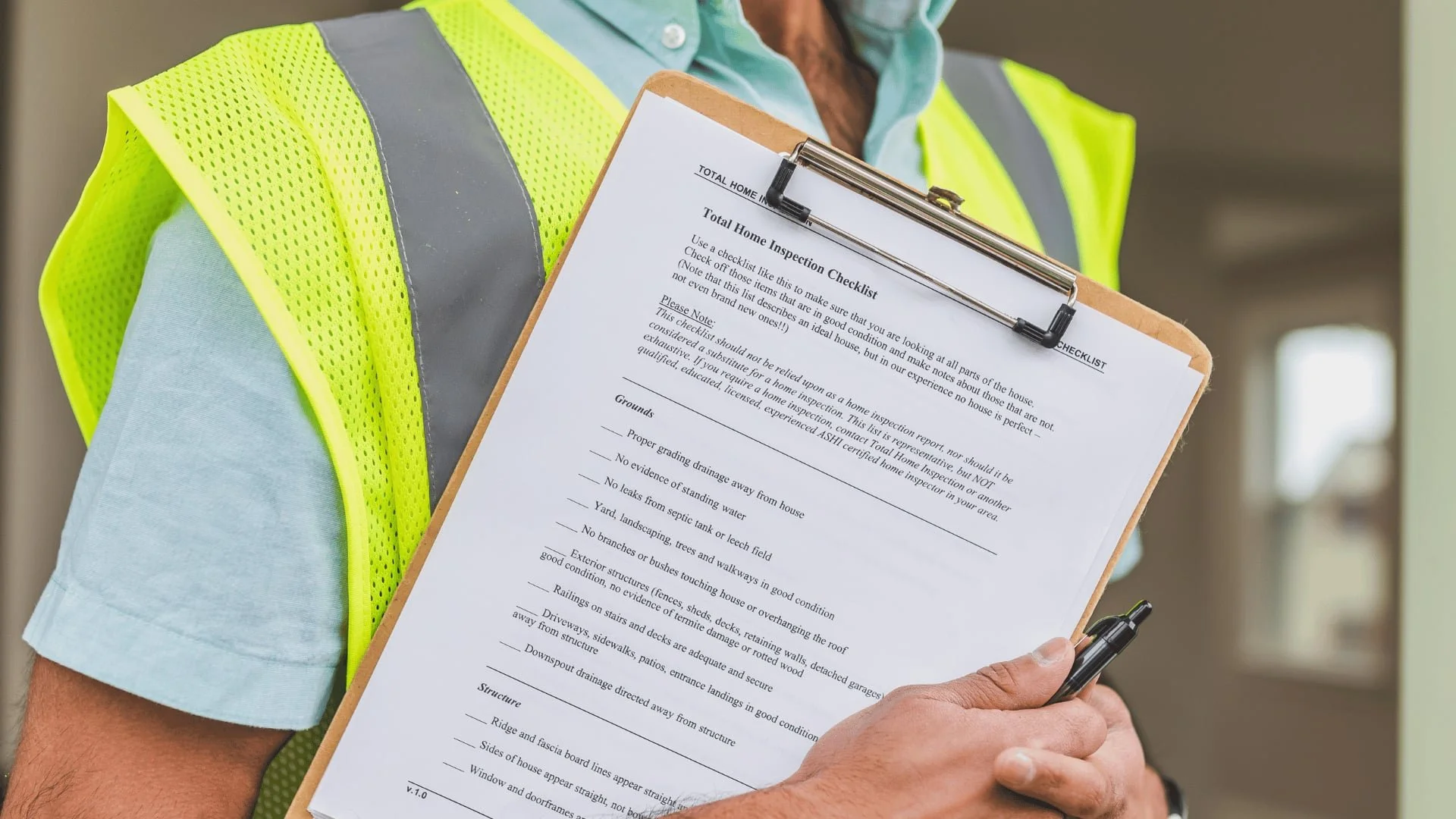
Finding the best house inspector can mean the difference between a sound investment and an expensive nightmare. Whether you’re a first-time home buyer or a seasoned real estate investor, the expertise of the inspector is a key factor in guaranteeing a thorough and reliable inspection, which directly impacts your ability to negotiate repairs, avoid a money pit, and make an informed decision about one of the largest purchases of your life.
In this guide, you’ll learn exactly what separates exceptional inspectors from average ones, compare national home inspection companies with independent professionals, and walk away with a clear process for hiring the best inspector for your specific property.
Key Takeaways
The best house inspector for you depends on your location, property type, and risk tolerance—not just on national rankings or brand recognition
A great inspector can save you thousands of dollars by uncovering hidden structural, safety, and systems issues before closing, while a rushed inspection can leave you exposed to costly surprises
Typical U.S. home inspection pricing ranges from $500–$1000+ in 2025–2026, with add-on services like radon testing and sewer scopes adding $100–$400 each
Top factors to verify before hiring include: liability and E&O insurance, recognized certifications (ASHI or InterNACHI), and recent local reviews
This article covers U.S. house inspections for buyers, sellers, and investors, including a comparison of national companies vs. independent inspectors and a step-by-step hiring checklist
What Makes the “Best” House Inspector in the U.S.?
The term “best” doesn’t point to a single company or one inspector with a perfect track record. Instead, it describes a combination of training, tools, process, and integrity tailored to your local market. An inspector’s expertise is crucial for providing thorough and reliable inspections, ensuring you receive the most accurate assessment possible. What works perfectly for a 1920s Colonial in Boston may not be the ideal fit for a 2015 stucco home in Phoenix.
Understanding what separates exceptional inspectors from adequate ones helps you filter through the noise and find someone who will genuinely protect your investment. Choosing an inspector with in-depth knowledge of your specific neighborhood can make a significant difference, as local expertise often leads to more accurate and relevant findings.
Certifications: The best inspectors will be certified and maintain membership in recognized professional associations. Organizations like ASHI (American Society of Home Inspectors) and InterNACHI (International Association of Certified Home Inspectors) require members to pass rigorous exams, complete ongoing education, and adhere to strict Standards of Practice. Look for inspectors with 5+ years of experience or 500+ completed inspections.
Thoroughness and time on-site: Quality inspectors don’t rush. For a typical 2,000 sq. ft. home, expect 2–4 hours of on-site inspection time. They should willingly walk you through their findings, explain the difference between cosmetic issues and big problems, and deliver clear, photo-rich inspection reports within 24–48 hours.
Communication and accessibility: The best professionals respond quickly to initial inquiries, explain risk versus nuisance issues in plain language, and remain available to answer questions after you receive the report. If an inspector is hard to reach before you hire them, imagine how difficult they’ll be when you need clarification on a critical finding.
Independence and ethics: Top-tier inspectors have no financial interest in repairs. They don’t own contracting companies or receive referral fees from contractors. They operate with transparent contracts, written Standards of Practice, and a Code of Ethics that puts your interests first.
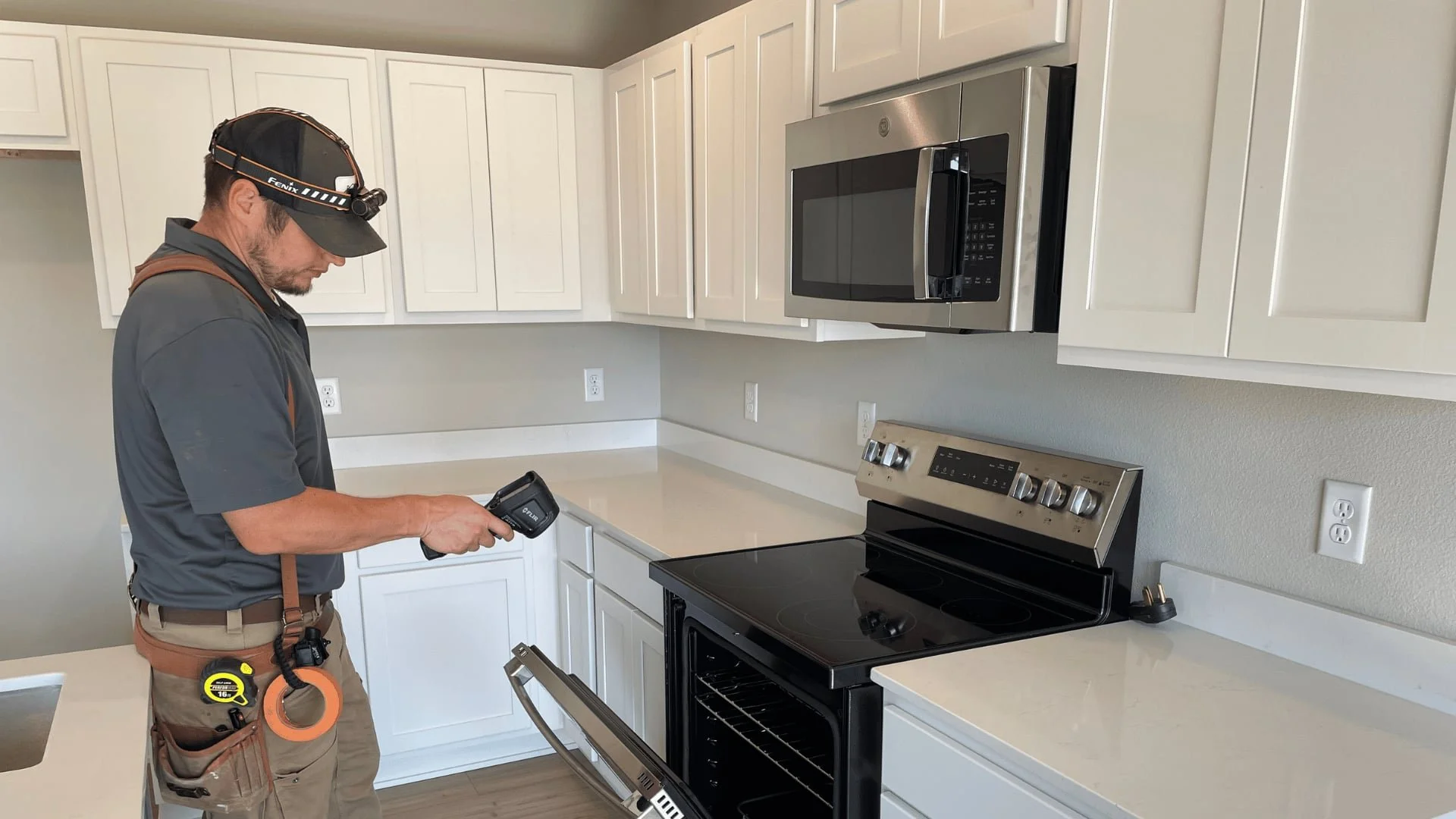
Independent vs. Franchise House Inspectors: Which Is Best for You?
The choice between independent local inspectors and franchise operators isn’t straightforward. Each option offers distinct advantages depending on your priorities, property type, and location.
Independent inspectors—whether solo practitioners or small firms—often deliver deeply personalized service. Many are owner-operated, meaning the person who answers the phone is the same professional who’ll inspect your house. They typically have intimate knowledge of regional building styles and climate-related issues like freeze-thaw damage in the Midwest or hurricane-resistant construction in Florida. Their familiarity with your neighborhood can provide additional value, as they understand the unique characteristics and common issues found in homes nearby.
Franchise inspectors benefit from structured training programs, standardized reporting formats, and corporate support systems. Some offer bundled services like warranty checks, recall databases, and repair cost estimators that independent operators may not provide.
Advantages of independents: Often owner-operated with strong local reputation, deep knowledge of regional construction practices, competitive pricing without corporate overhead, and personal accountability for their work
Advantages of franchises: Consistent training standards, standardized digital reports, corporate support for disputes or questions, and sometimes bundled services like home warranty options
Review data insight: In 2025–2026, many of the highest-rated inspectors on platforms like Google and Yelp are independents with 200+ local reviews and 4.8–5.0 average ratings
Home Inspections and Real Estate Agents
Home inspections and real estate agents work hand-in-hand to create a smoother, more transparent real estate transaction. Real estate agents frequently recommend trusted home inspection services to their clients, ensuring that buyers and sellers have access to reliable information about the property’s condition. A thorough home inspection report provides valuable insights that help buyers make an informed decision, while also giving agents the leverage they need to negotiate the sales price or request necessary repairs from the seller.
For home sellers, real estate agents may suggest a pre-listing inspection, allowing them to address any issues before the property hits the market. This proactive approach can help avoid last-minute surprises and streamline the selling process. Home inspection companies often collaborate closely with real estate agents, offering tailored inspection services that meet the needs of both buyers and sellers. By working together, home inspectors and real estate agents deliver a higher level of service to their clients, ensuring that every inspection, report, and negotiation is based on accurate, up-to-date information about the property.
What a Top-Tier House Inspector Actually Checks
The best house inspectors follow a systematic process aligned with ASHI or InterNACHI Standards of Practice. Their expertise is crucial for identifying both common and uncommon issues during the inspection process. They perform non-invasive visual inspections—meaning they won’t tear open walls or dig up foundations—but they’ll assess every accessible system and component.
Understanding what a comprehensive inspection covers helps you evaluate whether an inspector is truly thorough or just checking boxes.
Exterior checks: Grading and drainage around the foundation, siding and trim condition, window and door integrity, roof covering and visible flashing, gutters and downspouts, decks, porches, and walkways
Structural and interior: Foundation walls (where visible), framing indicators in basements or attics, floors for levelness and damage, walls and ceilings for cracks or water stains, stairs and railings, interior doors for proper operation
Major systems: Electrical panel and visible wiring, GFCI and AFCI protection, plumbing supply and drain lines, fixtures, water heater age and condition, heating and cooling equipment performance
Safety-critical items: Smoke and carbon monoxide alarms, handrails and guards, trip hazards, garage door safety sensors, and visible fire separation issues between garage and living space
Beyond the standard inspection, great inspectors either provide or coordinate specialized services including radon testing, sewer scope inspections, mold testing, termite/WDO (wood-destroying organism) evaluation, and septic system assessment. These additional services often reveal problems that a standard visual inspection cannot detect.

Home Sellers and the Inspection Process
For home sellers, the inspection process is an opportunity to take control of the selling experience and maximize the property’s value. By scheduling a pre listing inspection with a reputable home inspection company, sellers can uncover cosmetic issues, big problems, or necessary repairs before potential buyers ever set foot in the house. Addressing these concerns early allows sellers to fix issues on their own terms, often leading to a faster sale and a higher sales price.
A detailed inspection report provides valuable insights into the property’s condition, which can be used to make targeted repairs or offer credits to the buyer during negotiations. Some home inspection companies even offer specialized services for home sellers, such as a seller’s inspection, which highlights the strengths of the property and helps build buyer confidence. Ultimately, being proactive with inspections and repairs can help home sellers avoid last-minute deal breakers and present their property in the best possible light.
Mortgage Lenders and the Inspection Report
Mortgage lenders rely on the home inspection report as a critical part of the loan approval process. These reports give lenders a comprehensive overview of the property’s condition, highlighting any issues with essential systems like the electrical systems, plumbing system, or structural components. By reviewing the inspection report, mortgage lenders can determine the level of risk associated with the property and may require certain repairs or additional inspections—such as a termite inspection or mold testing—before finalizing the loan.
Home inspection companies play a vital role by providing detailed, photo-rich reports that outline both minor and critical issues, along with recommendations for repairs. This information helps lenders make an informed decision about whether to approve the mortgage and under what conditions. In some cases, the inspection company may be asked to conduct follow-up inspections to verify that required repairs have been completed, ensuring the property meets the lender’s standards for safety and quality.
How Much Does a Great House Inspector Cost in 2025–2026?
National average costs for a standard single-family home inspection in the U.S. typically range from $500–$1000 in 2025–2026. Luxury homes, very large properties, or complex older structures can push costs to $1000 or more.
Several factors influence what you’ll pay:
Square footage: A 1,200 sq. ft. bungalow costs less to inspect than a 3,500 sq. ft. two-story home
Home age: Pre-1950 homes with outdated wiring, plumbing, and construction methods require more scrutiny than post-2000 builds
Location: High-cost coastal cities (San Francisco, New York, Miami) command premium rates compared to smaller markets
Foundation type: Crawlspace or basement access adds complexity and time compared to slab-on-grade construction
In 2025–2026, add-on fees for specialized services typically fall within the following ranges: radon testing generally costs between $100 and $200, termite or wood-destroying organism (WDO) inspections range from $75 to $150, sewer scope inspections usually run between $250 and $400, septic inspections tend to cost from $300 to $600, and mold testing commonly falls in the $150 to $300 range.
Example cost breakdown: For a 2,000 sq. ft. home built in 1995 in a mid-sized city, expect something like: base inspection $425 + radon $150 + sewer scope $325 = $900 total. This investment is minimal compared to the cost of missing a major foundation issue or failing sewer line.
The most expensive inspector isn’t always the best, but very low prices often indicate rushed inspections, lack of insurance coverage, or inexperience. If one inspector quotes $200 while others quote $400–$500, ask why.
How to Find and Vet the Best House Inspector in Your Area
Start your search as soon as your offer is accepted. Most 2025 purchase contracts include 5–10 day inspection windows, and top-rated inspectors often book out 3–5 days in advance during busy spring and summer months.
Here’s a systematic approach to finding and vetting quality professionals:
Gather referrals: Ask your realtor, recent home-buying friends, local real estate investor groups, and search professional association directories (ASHI Find an Inspector, InterNACHI locator). Referrals from people in your neighborhood can be especially valuable, as they reflect local experiences and inspector availability.
Verify credentials: Confirm proper certifications, request proof of E&O and general liability insurance (minimum $500,000 coverage is standard), and verify current membership in a recognized trade organization. Look for inspectors with proven expertise in the type of property and neighborhood you are considering to guarantee a thorough and relevant inspection.
Request sample reports: Look for clear structure, abundant photos, plain-language explanations, and prioritized repair lists—avoid inspectors who provide vague, text-only reports
Check recent reviews: Focus on feedback from the last 12–24 months on Google, Yelp, or Zillow, paying attention to comments about thoroughness, punctuality, and report clarity
Speak directly with the inspector: Before booking, ask how long the inspection will take, whether you can attend (highly recommended), and how soon you’ll receive the completed home inspection report
The Inspection Company and Customer Service
Customer service is a cornerstone of any reputable inspection company. From the first inquiry to the delivery of inspection reports, home inspection companies should prioritize clear communication, transparency, and responsiveness. A licensed and experienced inspector should be available to answer questions, explain findings, and provide valuable insights into the property’s condition, helping clients feel confident in their decisions.
A comprehensive website with detailed information about services, sample inspection reports, and authentic reviews from previous clients can make it easier for buyers and sellers to choose the right inspection company. Many companies now offer additional services such as online scheduling, flexible appointment times, and secure access to reports, streamlining the process for busy clients. By consistently delivering excellent customer service and going above and beyond with additional services, home inspection companies can build lasting trust and a strong reputation in the real estate community.
Home Inspectors and Technology
Modern home inspectors are leveraging technology to deliver more accurate, efficient, and comprehensive inspection services. Advanced tools like drones and thermal imaging cameras allow home inspectors to access hard-to-reach areas and detect hidden issues that might otherwise go unnoticed. Specialized software enables inspectors to generate detailed inspection reports quickly, complete with annotated photos and clear explanations of any problems found.
Technology also enhances the evaluation of critical systems, such as heating and cooling, by providing precise data and actionable recommendations for repairs or maintenance. Many home inspection companies now offer clients the convenience of online scheduling, digital payment options, and instant access to inspection reports, making the entire process smoother and more transparent. By embracing these technological advancements, home inspectors can provide a higher level of service, ensuring that clients receive the most thorough and reliable assessment of their property.
Red Flags: When an Inspector Is Not the “Best” Fit
Avoiding a bad hire can be as important as finding the ideal inspector, especially when contract timelines are tight and money is on the line. A major warning sign is a lack of demonstrated expertise—inspectors who cannot clearly show their skill, knowledge, and professionalism may not provide a thorough or reliable inspection. Watch for these warning signs:
No proof of credentials: Unwillingness to provide license number, insurance certificates, or sample reports suggests something to hide
Vague or minimal reports: One-page summaries or reports lacking photos and specific descriptions won’t help you negotiate repairs or understand the property’s true condition
Won’t allow attendance: Reputable inspectors welcome clients on-site; those who refuse may be hiding rushed or incomplete work
Conflict of interest: Inspectors who also sell repairs or maintain exclusive relationships with specific contractors have financial incentives to find problems—or to miss them, depending on who’s paying
Unrealistic timelines: Anyone claiming they can thoroughly inspect a 3,000 sq. ft. home in under an hour isn’t performing a complete evaluation
Dismissive attitude: Inspectors who minimize significant issues like visible foundation cracking, active roof leaks, or major plumbing system failures without recommending further evaluation aren’t protecting your interests
If something feels off during your initial conversation, trust your instincts and find another option. Plenty of qualified home inspectors exist in most markets.

Home Inspectors Serving Iowa
Forever Home Inspection Iowa is a local, certified, and insured company emphasizing ethics and client care. Built on love and loyalty, we ensure every inspection is thoroughly done, which accompanies a highly detailed, digital report and warranty.
We specialize in homebuyer inspections. Primarily serving homebuyers and sellers within 60 miles of the Des Moines, Iowa area, we’re flexible and purposeful in meeting client needs.
Our team operates throughout Central Iowa, ensuring quality inspection services in areas all around the Des Moines metro.
We serve both urban and rural Iowa communities, providing top-notch inspections for both residential and commercial properties.
Our services include surrounding communities like Ankeny, and West Des Moines, and others in the region.
Our commitment to comprehensive, dependable inspections extends throughout Central Iowa, ensuring all residents have access to quality inspection services.
We continually strive to meet the diverse needs of Iowan homebuyers and sellers, maintaining excellence in home inspections and helping our fellow citizens across Central Iowa make informed real estate decisions!
How to Schedule Your Home Inspection
Scheduling a home inspection with Forever Home Inspection Iowa is simple and stress-free. Book your inspection online or with a quick phone call—our responsive team makes scheduling easy, a quality our clients and real estate agents consistently appreciate.
We’re not only experts in our field, but qualifying inspections also include a free warranty, adding an extra layer of confidence to your homebuying journey. We’re confident you’ll love partnering with us.
Once scheduled, you’ll receive an email with access to your custom inspection portal, where you can review important documents and complete payment securely. Inspections typically take two to four hours, depending on the size and condition of the property. Every step of the process is designed with your convenience— and peace of mind —in mind!
Reviews From Happy Homebuyers
FAQ: Choosing the Best House Inspector
How early should I book a house inspector after my offer is accepted?
In most U.S. markets in 2025–2026, inspection contingency windows run 5–10 calendar days, so contact inspectors within 24 hours of an accepted offer. Top-rated professionals can book out 5–7 days in advance, especially during peak buying seasons (spring through early fall).
Having 1–2 backup inspectors identified before you even make offers saves valuable time. Some buyers in competitive markets pre-screen inspectors during their house search so they can schedule immediately when an offer gets accepted. Pre-screening inspectors with experience in your neighborhood can help secure a more relevant and thorough inspection.
Should I attend the home inspection in person?
Yes— most experts recommend attending at least the final walkthrough portion, typically the last 30–60 minutes. Being present allows you to see issues firsthand, ask questions in real-time, and better understand which items represent urgent safety concerns versus cosmetic issues. During the walkthrough, be sure to ask the inspector about any issues that are common in your neighborhood, as local factors can affect the condition of the home.
If you’re an out-of-town buyer, many inspectors now offer live video walkthroughs using smartphones or tablets. This isn’t as good as being there in person, but it’s far better than relying solely on the written report.
How long does a high-quality house inspection take?
For a typical 1,800–2,200 sq. ft. single-family home, expect 2–4 hours of on-site inspection time, depending on age and condition. Large, older, or heavily modified homes can take half a day, while smaller condos might require 1.5–2 hours.
Be skeptical of significantly shorter timelines for complex properties. If an inspector promises to complete a 40-year-old, 3,000 sq. ft. home in 90 minutes, they’re almost certainly cutting corners.
What standards do the best U.S. house inspectors follow?
Most reputable inspectors adhere to Standards of Practice from ASHI (American Society of Home Inspectors) or InterNACHI. These standards define exactly what is included in a standard visual inspection and what falls outside the scope— such as destructive testing or assessment of concealed components.
Before hiring, ask which standard your inspector follows and request a pre-inspection agreement outlining the exact scope. This protects both parties and sets clear expectations. Inspectors with greater expertise often provide more comprehensive and insightful inspections, even within the standard guidelines.
Want More?
Check out other posts we’ve written.