Multi Unit Inspection: A Guide For Investors and Managers
Key Takeaways
Multi unit inspections cover properties from duplexes with two to four units focusing on risk reduction and overall condition.
Scope and cost are driven by the number of units, number of separate roofs and buildings, access complexity (crawlspaces, attics, roof access), and whether central mechanical systems serve multiple units.
A structured top-down inspection strategy—starting at the roof and working down through exterior, common mechanical spaces, and individual units—saves hours on every project and reduces missed defects.
Multifamily inspection software can help property managers and inspectors stay organized and efficient, and can reduce inspection time by up to 75%.
Reporting format (cumulative by unit versus summary by system) should be agreed upon with the client before inspection day to avoid disputes about detail level.
Thorough multi family property inspections can directly influence purchase price negotiations, financing terms, insurance requirements, and capital reserve planning for the next 5–10 years.
Introduction to Property Inspections
Property inspections are a crucial part of the real estate process, especially when it comes to multi unit properties. Whether you’re buying, selling, or managing a building, a thorough inspection is essential for identifying potential issues that could impact your investment. For property owners and investors, a detailed inspection report provides a clear picture of the property’s current condition, highlighting deferred maintenance, life safety issues, and necessary repairs that might otherwise go unnoticed.
A comprehensive inspection covers all major components and systems within each unit and the building as a whole. This includes evaluating the structure, mechanical systems, electrical and plumbing systems, and shared spaces. By identifying problems early—such as outdated wiring, roof leaks, or failing HVAC systems—owners can address repairs before they escalate, helping to control costs and protect the value of their investment.
The findings from a multi unit inspection can directly influence the purchase price, as well as negotiations with sellers or contractors. For property managers, regular inspections are a proactive way to maintain the property, warrant tenant safety, and comply with regulatory requirements. Ultimately, a well-executed inspection is a vital tool for making informed decisions, planning maintenance, and safeguarding the long-term health of your property.
What Is a Multi Unit Inspection?
Multi unit inspections are systematic evaluations of residential properties containing multiple dwelling units. Multifamily property inspections are a specialized category of commercial inspections, playing a crucial role in the housing sector by ensuring the safety, compliance, and long-term value of multifamily properties. These inspections are typically performed before purchase, refinancing, or major rehabilitation to assess the physical condition of structures, shared systems, and individual living spaces.
For properties with two to four units—duplexes, triplexes, and fourplexes—the inspection process generally follows a residential standard of practice similar to a single-family home inspection. The inspector examines every accessible component of each unit along with shared exterior and structural elements.
Properties with five or more units often fall under commercial standards of practice (such as ComSOP), where the inspection scope emphasizes life safety issues, shared building systems, documentation review, and long-term capital planning rather than exhaustive unit-by-unit coverage. State and local housing regulations and authorities often classify and govern the inspection process for these types of housing, setting specific standards and policies for multifamily property inspections. For commercial inspection services, reach out to TrueLine Commercial Inspections.
Common property types covered in these inspections include:
Duplexes and triplexes
Fourplexes
Low-rise garden-style apartments
Mid-rise elevator buildings
Mixed-use properties (retail at grade with apartments above)
Small condominium associations
Multi unit inspections differ fundamentally from single-family evaluations. Buildings with multiple dwelling spaces feature repetition of systems across units, shared components like roofs and foundations, and utility infrastructure serving multiple households. When defects exist in shared systems, the impact on income streams and repair costs multiplies accordingly. Multi-family property inspections are generally more thorough than single-family inspections due to the larger scope and the need to assess multiple units.
Types of Multi Unit Properties and How They Affect Inspection Scope
Ownership structure (fee simple, condominium, or rental) and building layout (walk-up, corridor-access, garden-style) significantly affect how an inspection is planned, executed, and reported. Understanding these distinctions helps property owners and investors set appropriate expectations.
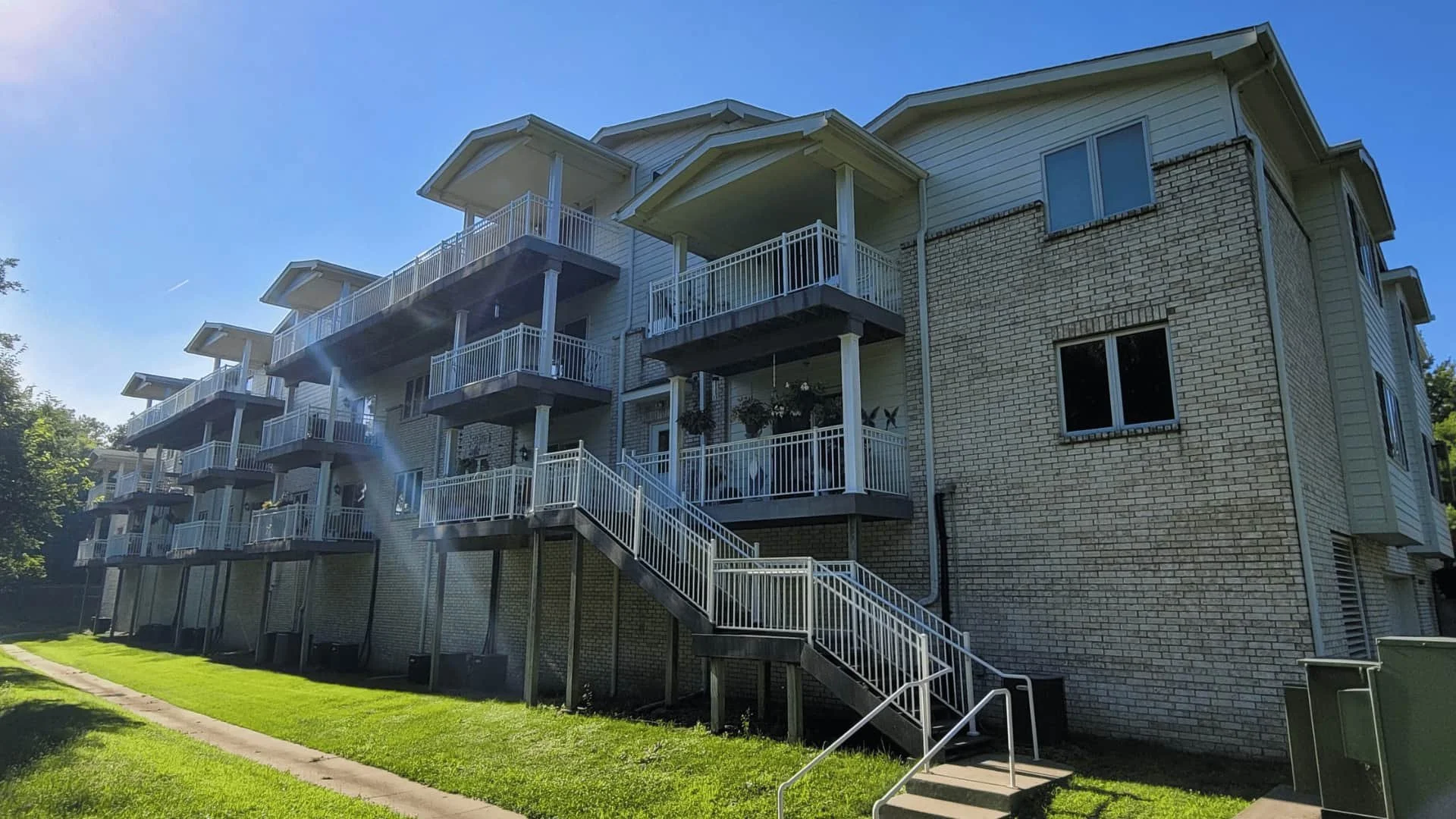
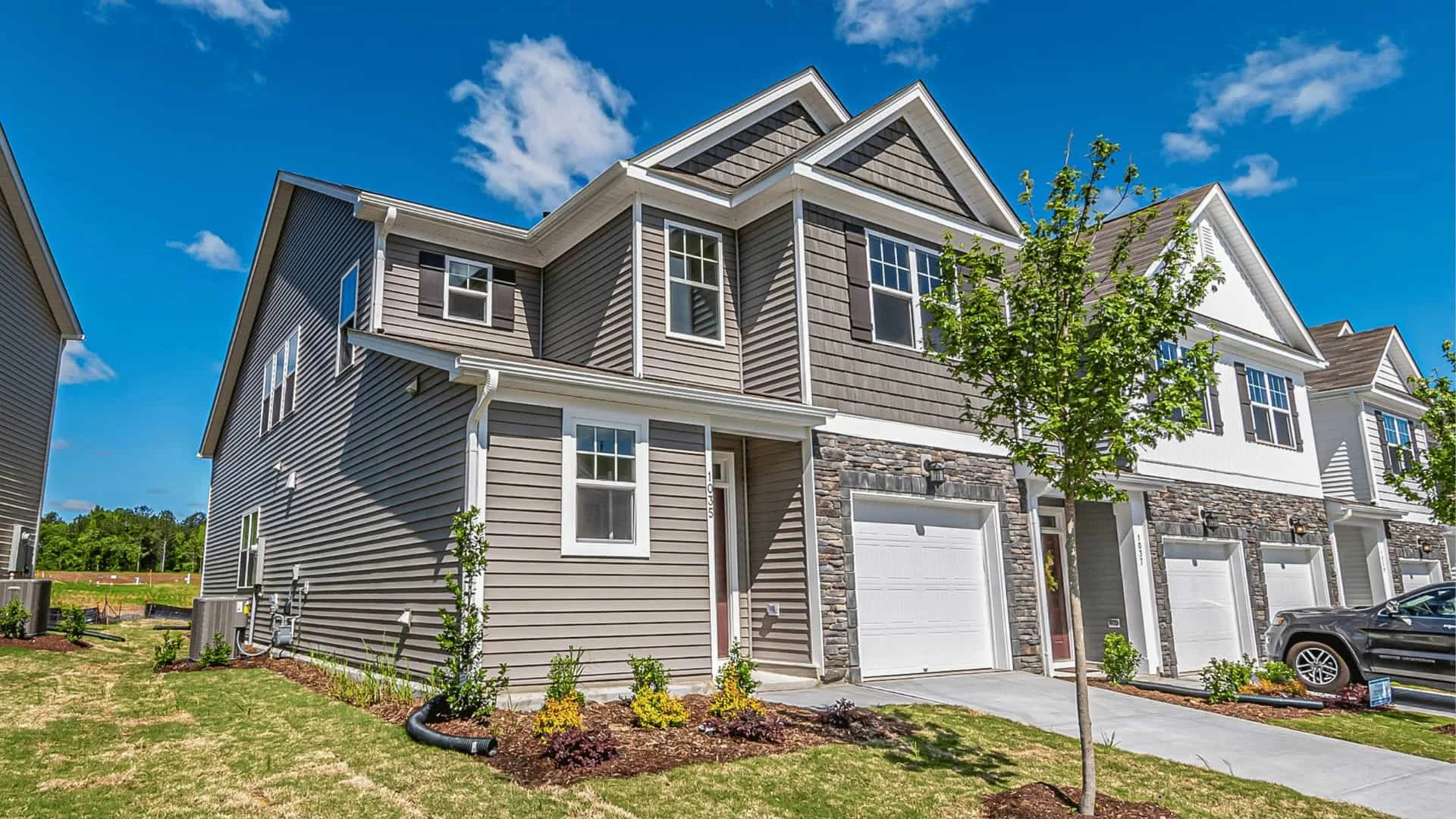
Townhouses typically feature shared party walls between units, with each unit sitting on an individually owned lot. Utilities are usually separate, and each owner maintains their own heating, plumbing systems, and electrical service. When inspecting townhouses, focus falls on each unit’s building envelope, individual roof segments or sections, and the condition of party walls where accessible. The inspector is responsible for assessing and verifying that fire separations at shared walls remain intact, as well as evaluating the condition and functionality of roofing, HVAC, and drainage systems.
Condominiums present a different ownership model. Unit interiors are privately owned, while common elements—roofs, structure, hallways, elevators, and central mechanical systems—are managed by an association. For condominiums, inspectors should review association documents, maintenance history, and reserve studies in addition to the property inspection itself. This documentation helps determine whether the association has adequately maintained shared components and planned for future capital needs, while also assessing the condition and performance of major building systems.
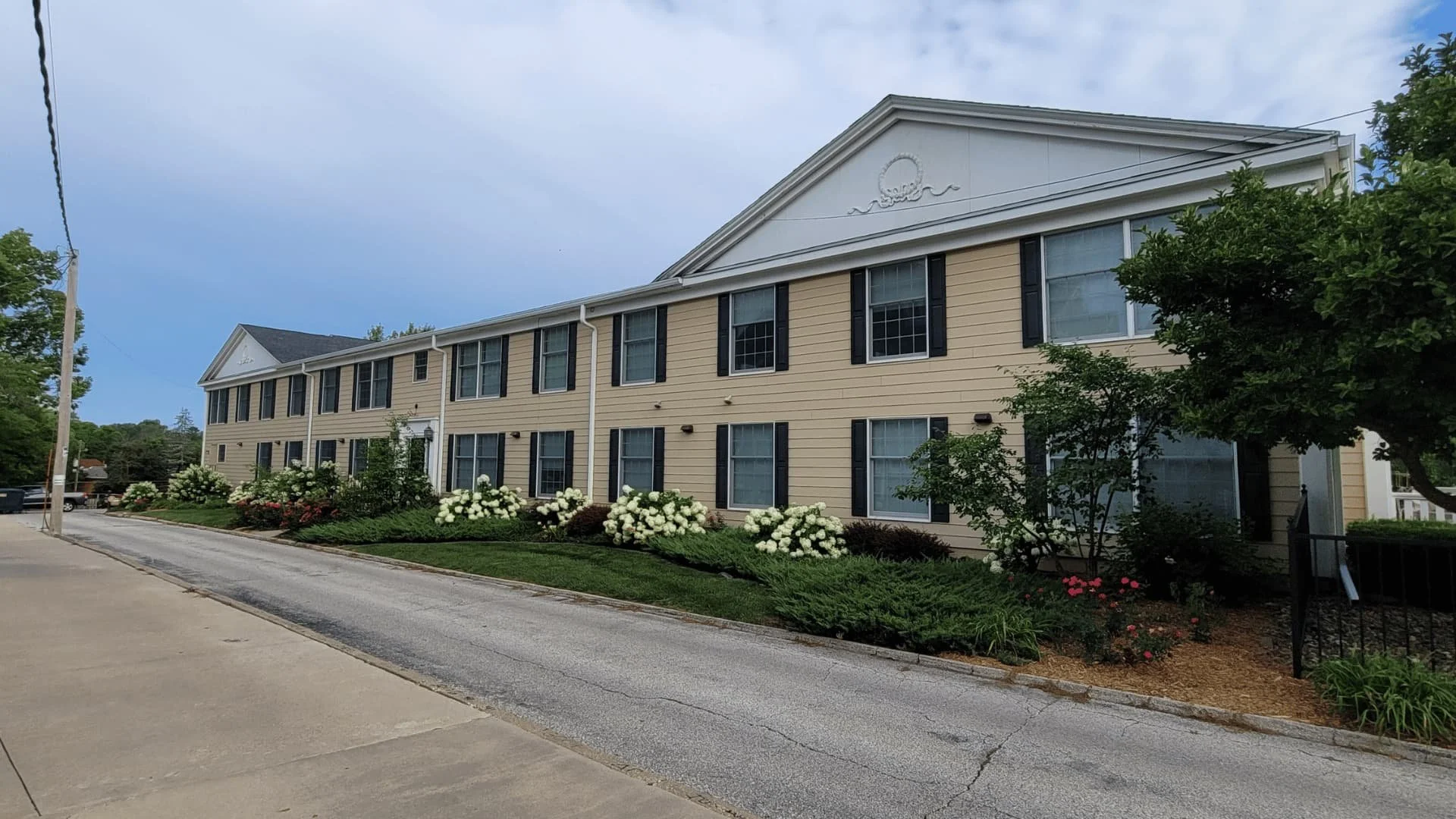
Apartment buildings place control of all units and common areas under a single owner or entity. This simplifies access coordination but requires consistency in how units inspected are documented. When not all units will be entered, a clear sampling strategy becomes crucial for extrapolating findings across the entire building, including assessing the state of key systems such as roofing, HVAC, and drainage.
Mixed-use properties combining storefronts with residential apartments above require attention to commercial-specific components. Fire separations between commercial and residential spaces, storefront glazing systems, and separate HVAC systems or utility configurations all require evaluation and assessing beyond standard multifamily protocols.
Planning a Multi Unit Inspection
Effective planning typically occurs 3–7 days before the site visit and should formalize scope, access arrangements, and deliverables in writing. Rushing this phase creates confusion on inspection day and often results in incomplete coverage. The property owner or manager is responsible for ensuring access to all units and coordinating with residents to facilitate the inspection process.
Start with a structured client interview to understand investment goals. Is the buyer planning to hold the property long-term, pursue a value-add renovation strategy, or convert units to condominiums? These goals influence how detailed the inspection should be and which systems warrant the most attention. Lender requirements and insurance considerations may also dictate specific inspection elements. As part of the planning process, a preliminary walkthrough is an informal, initial survey of the entire property that helps locate hidden areas and provides a general overview of the building's condition.
Before preparing a proposal, document the following elements and key questions: determine the total unit count across all buildings, identify how many separate structures and roofs are included, clarify whether 100% of the units will be inspected or only a sample, specify which units are vacant versus occupied, and assess access complexity, including whether attics, crawlspaces, and roof hatches are accessible.
The written proposal should list all major components to be inspected: site drainage, parking and drives, structural elements, roofs, exterior cladding, balconies and decks, stairways and railings, interior common areas, and main mechanical, electrical, and plumbing systems.
Equally important is stating what falls outside the inspection scope:
Moving resident belongings or personal property
Opening sealed finishes or destructive testing
Specialty system testing (sprinklers, elevators, fire alarms)
Detailed compliance evaluations
Local regulations and standards of practice vary. Confirm any state-specific licensing requirements and clarify whether residential or commercial standards apply based on unit count.
On-Site Strategy: From Arrival to Final Walkthrough
A repeatable, efficient on-site routine becomes essential when inspecting buildings with 10 or more units. Without a systematic approach, inspectors lose time backtracking and risk missing defects.
Upon arrival, check in with the property manager or designated contact. Confirm that keys and access fobs work, verify which units are available for entry, and review any updated rent rolls or occupancy lists. Be sure to provide notice to residents in advance to inform them of the inspection and make sure there is smooth access to all areas. This initial coordination prevents wasted time later when encountering locked doors or surprised tenants.
Conduct a preliminary walkthrough—an informal but systematic lap around the entire property. This step helps establish rapport with on-site contacts and identify key areas of focus for the inspection. During this initial pass:
Identify all access points (roof ladders, mechanical rooms, basements, crawlspaces, electrical rooms)
Note obvious safety hazards requiring immediate attention
Observe overall site conditions and drainage patterns
Check exterior lighting and security features
Establish the day’s route and schedule at the beginning, then communicate it to the on-site contact. A typical sequence runs: roof → exterior and site → mechanical rooms → common areas → units by floor. This top-down approach allows tracking of water intrusion from source to symptom.
The inspector should avoid negotiating directly with tenants about access or conditions. Property managers or the owner’s representative handle all resident communication. Any disputes about unit access or observed conditions get reported back to the client rather than debated on site.
Consider activating thermostats, exhaust fans, and other systems during the initial walkthrough. This allows time for heating and cooling equipment to cycle before detailed evaluation later in the inspection.
Roof Inspection Focus Areas
The roof is typically the highest-risk, highest-cost component in multi unit buildings and warrants early attention in the inspection process. Roof failures affect multiple units simultaneously, making thorough inspection crucial.
Key visual inspection elements include:
Covering type and condition: Membrane (EPDM, TPO, modified bitumen), shingles, or built-up roofing
Surface defects: Ponding water, blistering, splitting seams, exposed substrate
Flashings: Condition at parapets, penetrations, curbs, and edges
Patching: Evidence of prior repairs and their quality
Roof-mounted equipment requires specific attention. HVAC systems, combustion appliance vents, exhaust fans, satellite dishes, and gas piping should all be examined for secure mounting, proper clearances from combustibles, and signs of corrosion or deterioration.
Roof drainage deserves careful evaluation:
Scuppers and internal drains: Clear of debris? Adequate size?
Gutters and downspouts: Secure attachment? Proper discharge?
Slope: Adequate for drainage? Evidence of chronic ponding?
Staining: Interior or exterior stains indicating overflow history?
Correlate roof findings with interior observations when performing later inspection phases. Top-floor ceiling stains, hallway corner moisture, and exterior wall streaking often trace back to roof or flashing deficiencies.
Photograph roof conditions extensively. This documentation supports purchase price negotiations, insurance claims, and capital expenditure planning. A detailed photo record of current conditions provides a baseline for tracking future deterioration.
Exterior and Site Elements
Multi unit exteriors encompass more than walls and windows. Shared amenities, parking facilities, and life-safety features all fall within the inspection scope and affect both residents and the property owner.
Exterior cladding and trim materials require systematic evaluation. Whether brick, vinyl, fiber cement, or stucco, look for:
Cracking or displacement
Impact damage
Missing or deteriorated sealant at joints
Improper clearance to grade (most materials need 6+ inches)
Moisture intrusion evidence
Exterior doors, windows, balconies, decks, porches, stairs, and railings demand attention to both function and safety. Check structural soundness, guard heights (typically 36-42 inches depending on code), handrail graspability and continuity, and evidence of rot, corrosion, or insect damage.
Parking lots, drive lanes, and sidewalks often reveal deferred maintenance that can create significant liability exposure. Uneven pavement or trip hazards increase the risk of slip-and-fall incidents, while failing asphalt or concrete can lead to vehicle damage claims. Inadequate striping may result in parking disputes and accessibility issues, and poor drainage can cause icing hazards as well as accelerated surface deterioration.
Life-safety and access elements warrant documentation: fire lanes, hydrant locations and clearances, address visibility for emergency responders, exterior lighting coverage, and security features like controlled entry doors and intercom systems.
Note any retaining walls, site utilities (overhead lines, meter banks), outbuildings, and refuse enclosures. These components present both ongoing maintenance needs and potential safety issues that building owners must address.
Interior Common Areas and Building Systems
Interior common elements and central building systems serve all residents and represent significant shared infrastructure. Understanding their condition helps property managers plan maintenance and investors assess capital needs.
Common areas—entrances, corridors, stairwells, laundry rooms—should be evaluated for:
Finish condition (walls, floors, ceilings)
Lighting adequacy and fixture function
Handrails and guards at stairs
Fire-resistance features (rated doors, closers, signage)
Egress path clarity and signage
Central mechanical rooms house critical building systems. Heating equipment such as boilers and furnaces, domestic hot water systems, circulation pumps, fuel lines, combustion air supply, and flue systems all require visual inspection. Look for leaks, corrosion, deferred maintenance indicators, and equipment age approaching end of expected service life.
Main electrical service equipment evaluation covers:
Service size adequacy for building loads
Panel labeling accuracy
Conductor condition
Grounding and bonding
Evidence of unsafe modifications or overfusing
Domestic water and sewer infrastructure visible in mechanical spaces reveals much about system health. Document main shut-off locations, observable piping materials (copper, galvanized, PEX, cast iron), evidence of corrosion or chronic leakage, and backflow prevention devices where visible.
Note the presence of fire alarm control panels, sprinkler risers, and emergency lighting. However, full code compliance testing of these life safety systems typically falls outside general property inspection scope. Specialized fire protection contractors handle functional testing and certification when required by lenders or insurers.
Unit-by-Unit Inspection Approach
Individual units are where tenants experience daily living conditions, so even when sampling rather than inspecting all units, each entered unit deserves thorough and consistent evaluation.
Require the client or property manager to arrange access and provide tenant notification at least 24-48 hours ahead, in writing. This timeline helps comply with local landlord-tenant laws and reduces the chance of encountering locked units or hostile renters.
A standardized checklist for each unit should cover:
Entry doors: Operation, hardware, weather sealing
Windows: Operation, glazing, locks, screens
Floors: Condition, levelness, trip hazards
Walls and ceilings: Cracks, stains, damage
Smoke and CO alarms: Presence and test response
Kitchen: Appliances, cabinets, counters, plumbing, ventilation
Bathrooms: Fixtures, ventilation, water pressure, drainage
Bedrooms: Egress windows, closets, electrical
Balconies and storage: Structure, guards, weatherproofing
Separate conditions affecting habitability or safety from cosmetic issues. Inoperable egress windows, missing smoke detectors, active leaks, and exposed wiring demand immediate attention. Worn carpet or dated paint, while notable, represent different priority levels for repairs.
When inspecting many similar units, watch particularly for repeating patterns. The same plumbing leak location across multiple stacks, identical electrical deficiencies in each kitchen, or consistent window seal failures indicate system-wide problems rather than isolated maintenance items. These patterns help determine whether issues are property-wide concerns affecting the entire community.
Reporting Options: Cumulative vs Summary
Multi unit inspection reports can be organized by unit or by system, and this choice should be made before the inspection based on client needs and intended use of the inspection report.
A cumulative report structure gives each unit its own section. This format lists observations for kitchen, bathroom(s), living areas, and bedrooms separately for every unit entered, followed by building-wide common elements and systems. The result is a comprehensive document that tracks issues to specific locations.
Cumulative reports prove helpful when:
The client plans to negotiate repairs or credits on a per-unit basis
Different partners own different units within a building
Detailed unit-specific documentation is needed for lending or insurance
The property will be converted to condominiums
A summary report structure groups issues by component—Plumbing, Electrical, Roof, HVAC Systems, Site—with notations of how many units are affected and representative photographs. This format produces a shorter, more scannable document.
Summary reports work well for:
High-level financial decisions and underwriting
Capital planning and reserve studies
Properties with many identical units
Time-constrained due diligence periods
When multiple buildings exist on one site, clarify whether the client wants separate reports for each building or a consolidated master report with building-specific subsections. Separating findings by building helps owners track maintenance history and budget more precisely for each structure.

Cost Factors in Multi Unit Inspections
Fees vary significantly based on scope, and investors should understand the major cost drivers before requesting proposals. Comparing quotes accurately requires understanding what each inspector includes.
Primary factors affecting inspection cost:
Number of units to be inspected (all vs. sample)
Number of separate buildings and roofs
Accessibility of roofs, attics, and mechanical areas
Distance between buildings on the site
Age and complexity of building systems
Report type requested (cumulative vs. summary)
Many inspectors bill multi unit projects using either a tiered per-unit fee structure or an hourly rate (often ranging from several hundred dollars per hour with a minimum engagement). Some combine approaches—a base fee covering site and common elements plus a per-unit charge for dwelling spaces entered. Exact pricing depends on the local market and specific scope.
Additional services typically quoted separately include:
Thermal imaging surveys
Sewer line scoping
Environmental testing (mold, lead, asbestos)
Request written proposals that break out site time, report preparation time, and optional services. This transparency allows accurate comparison between providers and helps identify what each quote actually includes.
View inspection costs in context. For a property with a purchase price of several hundred thousand dollars or more, inspection fees represent a small fraction of the investment. The potential repair costs from missed defects—a failing roof, deteriorated plumbing, or electrical hazards—can easily exceed inspection costs by orders of magnitude.
Implementing a Regular Multi Unit Inspection Schedule
Establishing a regular inspection schedule is one of the most effective ways for property managers and owners to maintain the physical condition and value of a multi family property. Routine inspections—ideally conducted at least once a year—allow you to identify deferred maintenance, life safety issues, and potential problems before they become costly repairs. This proactive approach is crucial for keeping repair costs under control and ensuring the ongoing efficiency and safety of your multi unit investment.
By staying organized and efficient, property managers can guarantee that every unit, as well as common areas and building systems, are thoroughly inspected. This not only helps maintain compliance with local regulations but also supports tenant satisfaction by addressing maintenance concerns promptly. Regular inspections also provide a clear record of the property’s physical condition, making it easier to plan for future maintenance and capital improvements.
For owners, a consistent inspection schedule means fewer surprises and a better ability to budget for repairs and upgrades. It also demonstrates a commitment to maintaining the property, which can be important for insurance renewals, lender requirements, and community reputation. In short, implementing a regular multi unit inspection schedule is a crucial step in protecting your investment, maintaining compliance, and ensuring the long-term success of your multi family property.
How These Inspections Protect Your Investment
A thorough inspection provides the foundation for confident investment decisions and informed decisions about long-term asset management. The information gathered during a multi unit inspection serves multiple purposes beyond the initial purchase.
Inspections routinely uncover conditions not visible during a brief property showing:
Hidden foundation issues affecting structural integrity
Roof systems approaching end of service life
Aging mechanical systems requiring near-term replacement
Unsafe electrical work
Chronic water intrusion damaging concealed framing
These findings directly support purchase price negotiation. When documented with clear photographs and supported by contractor repair estimates, inspection deficiencies provide leverage for price reductions, seller repairs, or repair credits at closing. Lenders following Fannie Mae guidelines often require certain conditions to be addressed before financing approval.
Well-documented inspections also support multi-year capital improvement planning. Knowing that the roof has 5 years of remaining life, the boiler is 15 years old, and the windows are original to construction allows owners to build adequate reserves and avoid unexpected capital calls.
For existing owners, periodic multi unit inspections every 2-3 years catch deterioration early, support insurance renewals with current condition documentation, and demonstrate due diligence in risk management. This proactive approach helps maintain property value while controlling maintenance costs over time.
Conclusion and Final Thoughts on Multi Unit
Multi unit inspections are an essential part of successful property management and investment in multifamily properties. By prioritizing thorough inspections, property managers and owners can identify deferred maintenance, life safety issues, and potential repairs before they escalate into costly problems. Regular, well-documented inspections not only help maintain the physical condition and value of the property but also support compliance, tenant satisfaction, and long-term financial planning.
Whether you’re overseeing a small duplex or a large apartment complex, implementing a structured inspection process and staying organized are key to efficient operations and informed decision-making. By leveraging the expertise of certified home inspectors and utilizing comprehensive inspection reports, building owners and investors can confidently manage their assets, control repair costs, and certify the ongoing success of their multi family property investments.

Home Inspectors Serving Iowa
Forever Home Inspection Iowa is a local, certified, and insured company emphasizing ethics and client care. Built on love and loyalty, we ensure every inspection is thoroughly done, which accompanies a highly detailed, digital report and warranty.
We specialize in homebuyer inspections. Primarily serving homebuyers and sellers within 60 miles of the Des Moines, Iowa area, we’re flexible and purposeful in meeting client needs.
Our team operates throughout Central Iowa, ensuring quality inspection services in areas all around the Des Moines metro.
We serve both urban and rural Iowa communities, providing top-notch inspections for both residential and commercial properties.
Our services include surrounding communities like Grimes, and Des Moines, and others in the region.
Our commitment to comprehensive, dependable inspections extends throughout Central Iowa, ensuring all residents have access to quality inspection services.
We continually strive to meet the diverse needs of Iowan homebuyers and sellers, maintaining excellence in home inspections and helping our fellow citizens across Central Iowa make informed real estate decisions!
How to Schedule Your Home Inspection
Scheduling a home inspection with Forever Home Inspection Iowa is simple and stress-free. Book your inspection online or with a quick phone call—our responsive team makes scheduling easy, a quality our clients and real estate agents consistently appreciate.
We’re not only experts in our field, but qualifying inspections also include a free warranty, adding an extra layer of confidence to your homebuying journey. We’re confident you’ll love partnering with us.
Once scheduled, you’ll receive an email with access to your custom inspection portal, where you can review important documents and complete payment securely. Inspections typically take two to four hours, depending on the size and condition of the property. Every step of the process is designed with your convenience— and peace of mind —in mind!
Reviews From Happy Homebuyers
FAQs
How many units should be inspected in a large multifamily building?
For smaller properties with two to four units, inspecting all units is standard practice and provides complete coverage. For larger multifamily properties, some investors choose a representative sample to balance thoroughness with cost efficiency.
Common sampling approaches include inspecting 25-50% of units, ensuring at least one of each floor plan type and one unit on each floor level. Some inspectors recommend sampling 10-20% of units in very large complexes while always including any units the owner identifies as problematic.
Inspecting more units provides better risk insight, but sampling can identify system-wide issues effectively when patterns emerge across the sample. Discuss sampling strategy with both the inspector and any lender involved to make certain everyone agrees on adequacy for your due diligence needs.
How long does a multi unit inspection usually take?
A straightforward duplex or fourplex typically requires roughly half a day on site, including exterior, common areas, and all units. A 12-unit walk-up building can take most of a full day depending on access coordination and system complexity.
Very large complexes with dozens of units or multiple buildings may require multiple days and sometimes a small inspection team working simultaneously. Factors affecting duration include unit accessibility, occupancy patterns, age and complexity of building systems, and how many buildings comprise the property.
Report writing time is separate from site time. A detailed narrative report for a multi unit property often requires another full day or more of preparation before the final inspection report is delivered to the client.
Do multi unit inspections include code compliance and permits?
Most general property inspections are observational evaluations, not full code compliance audits or permit research. Inspectors note conditions that appear to deviate from common safety practices or visible code requirements, but they do not certify compliance with all applicable building codes.
Buyers needing detailed code compliance verification or complete permit histories should work with local building departments, architects, or code consultants in addition to the property inspection. This is particularly important for older buildings or properties with visible modifications.
Clearly define expectations around code discussions in the inspector’s agreement. Some inspectors specifically exclude code compliance opinions while others offer general observations about potential issues.
Can one inspection cover multiple buildings on the same site?
One inspection engagement can cover multiple buildings on a single parcel or related parcels under common ownership. The inspector typically prepares either separate reports for each building or distinct sections within a combined report.
Separating findings by building helps owners track maintenance history more precisely and budget for each structure independently. This approach proves especially valuable when buildings have different ages, construction types, or conditions.
Specify how you want multi-building findings organized before the inspection date. This prevents confusion during report preparation and guarantees the final document meets your needs for property management and operations planning.
When is it worth adding extra services like sewer scoping or thermal imaging?
Sewer scoping is especially valuable for older buildings (typically 40+ years old), properties with a history of plumbing complaints or backups, or buildings with large trees growing near sewer lines. The cost of scoping is modest compared to the expense of discovering sewer line failures after purchase.
Thermal imaging helps locate hidden moisture intrusion, insulation gaps, and electrical hot spots. This service proves particularly useful in climates with severe temperature swings, in buildings with known water intrusion history, or when evaluating energy efficiency for improvement planning.
Weigh the relatively modest cost of these additional services against the potential expense of missed defects. Underground sewer repairs can cost tens of thousands of dollars, while concealed water damage may require extensive remediation. Adding a few hundred dollars to the inspection fee often provides significant peace of mind and risk reduction.
Want More?
Check out other posts we’ve written.