
Key Takeaways
A regular home inspection is a comprehensive visual assessment, while a home inspection thermal imaging camera provides additional insights by revealing hidden issues like moisture intrusion, electrical problems, and pests.
Thermal scans can pinpoint missing or compressed insulation and air leaks, helping reduce energy waste and lower utility bills by up to 20%.
Thermal imaging helps identify overloaded circuits, faulty wiring, and overheating breakers (hot spots), which can prevent electrical fires.
Thermal imaging cameras detect hidden moisture, air leaks, and insulation issues by capturing infrared radiation invisible to the naked eye.
Professional home inspectors use thermal cameras to complement visual inspections, not replace them, providing comprehensive property assessments.
Home inspection thermal imaging cameras can prevent costly repairs by detecting issues early before visible damage occurs.
Thermal imaging home inspections typically cost upwards of $400 depending on region. At Forever Home Inspection Iowa, however, we never charge extra for thermal imaging. It’s included with every inspection at no additional cost— just one of the many ways we deliver exceptional value and top-tier service to our clients!
What is a Home Inspection Thermal Imaging Camera?
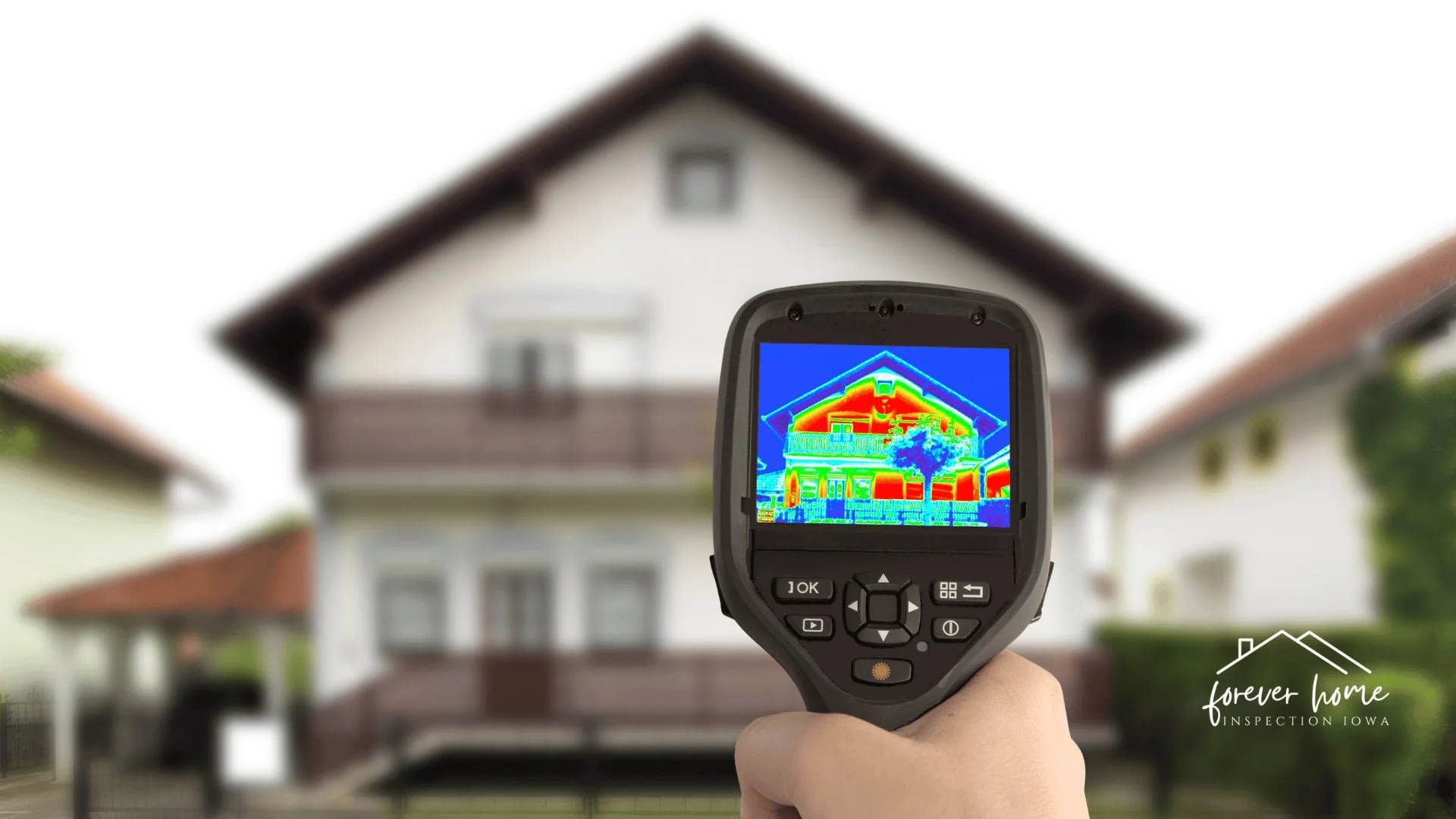
This article explains the benefits of using a home inspection thermal imaging camera and how it differs from traditional inspection methods. A home inspection thermal imaging camera is a specialized device that converts infrared radiation emitted by objects into visible color images, revealing temperature patterns across surfaces. Unlike regular photography that captures visible light, thermal imaging technology detects heat energy in the infrared spectrum beyond human eye capability, helping buyers understand the importance of thermal imaging in detecting hidden issues.
These infrared cameras, also known as thermal imaging cameras, are used in a variety of fields, including military surveillance, industrial settings, and medical imaging, in addition to their role in property inspections. They work by sensing infrared radiation typically in the 7-14 micrometer long-wave infrared band. Every object above absolute zero emits this invisible energy according to its temperature. The camera’s focal plane array sensor, usually containing thousands of microbolometer detector elements, converts this thermal energy into electrical signals that create a thermogram - a false-color image where different temperatures appear as different colors.
In thermal images, heat signatures display warm areas in red and white tones, while cool areas appear in blue and yellow colors. A 'cold image' or 'cool signature'—often seen as blue or yellow on the thermal image—indicates areas of moisture or leaks that are not visible to the naked eye. This visualization allows inspectors to identify temperature differences that indicate underlying issues. When moisture absorbs heat energy through evaporation, it creates distinctive cool signatures that cameras can detect before visible water damage appears.
The key distinction between thermal imaging and regular photography lies in the type of radiation detected. While standard cameras capture reflected visible light, thermal cameras measure emitted heat energy, providing insights into conditions behind surfaces that the naked eye cannot see. These cameras are commonly used to inspect a house for hidden issues such as moisture, leaks, and insulation problems.
How Thermal Imaging Cameras Work in Home Inspections
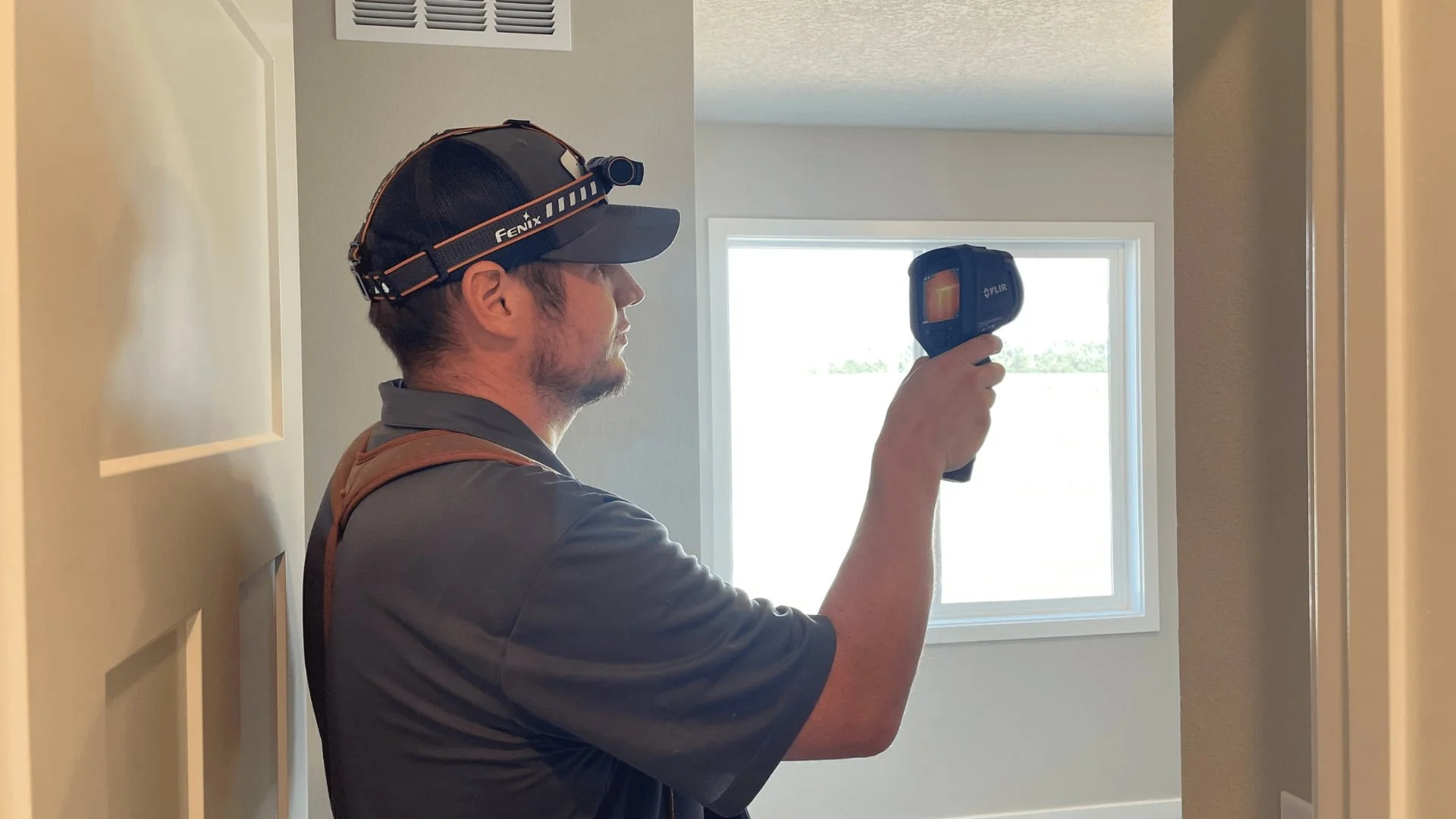
Inspections using a home inspection thermal imaging camera are conducted as a quick, non-invasive procedure by certified inspectors. The process involves systematically scanning interior and exterior walls, ceilings, floors, and accessible areas—including plumbing fixtures and appliances in kitchens and bathrooms—to capture temperature variations across building surfaces. Professional home inspectors conduct this thermal inspection as part of a comprehensive property assessment, not as a replacement for visual examination.
The inspection is performed after proper preparation, such as running water through plumbing fixtures and appliances to help identify leaks. During the inspection, the inspector moves through the property while observing both the actual scene and the thermal display on the camera. The device creates thermal images in real-time, displaying color variations that represent temperature differences. Modern thermal imaging cameras often integrate visible light photography with infrared detection, allowing inspectors to overlay thermal data onto regular photographs for better documentation.
Inspectors monitor ongoing conditions, such as drying progress after water damage, and look for anomalies—areas that appear unexpectedly warmer or cooler than similar materials under identical conditions. Most leaks do not happen overnight; they develop gradually over time, making early detection through thermal imaging important to prevent extensive damage. When anomalies or moisture issues are present, the inspector determines the presence of moisture or leaks by analyzing the thermal patterns and confirming with additional tools if necessary.
The inspection process typically follows a systematic approach, beginning with exterior walls to detect insulation voids and air leakage, then moving to interior spaces including electrical systems, HVAC components, and moisture-prone areas like bathrooms and basements. Environmental factors significantly impact thermal imaging effectiveness. Optimal conditions require sufficient temperature difference between indoor and outdoor environments, typically at least 50°F, to produce clear thermal patterns. Recent weather, sun exposure, wind, and building operations can all affect surface temperatures and moisture signatures that cameras detect.
Factors that determine the cost and scope of a thermal imaging inspection include the size of the home, type of construction, number of floors or rooms, and the time required to complete the project. Different construction methods and materials can also influence how effectively thermal imaging detects issues such as water seepage or insulation gaps.
Key Applications of Thermal Cameras in Home Inspections
Thermal imaging cameras excel at detecting hidden moisture intrusion, one of the most valuable applications in residential property assessment. Water and moisture create distinctive cool signatures as they absorb heat energy and undergo evaporation, making them visible to thermal sensors even when no visible water damage exists. Inspectors can identify roof leaks, plumbing failures, and foundation seepage by scanning for irregular temperature patterns that indicate active or recent moisture presence. The findings are often documented in a detailed thermal imaging report, which helps homeowners make informed decisions about necessary repairs and ongoing maintenance.
Missing insulation detection represents another critical application where thermal imaging provides immediate visual evidence of energy efficiency problems. Inadequate insulation creates thermal bridges where heat transfers more readily through building assemblies, appearing as distinct temperature patterns on interior surfaces. During cold weather, uninsulated wall cavities appear warmer on interior surfaces as heat escapes, while properly insulated areas maintain more consistent temperatures. Thermal scans can pinpoint areas of missing or compressed insulation and air leaks, helping homeowners reduce energy waste and lower utility bills by up to 20%. Tools such as a thermal line scanner are used to measure radiant temperature along specific lines to detect insulation or electrical issues, while a spot radiometer can confirm temperature anomalies identified during the inspection.
Air leak detection around the building envelope utilizes thermal imaging to identify infiltration and exfiltration points where conditioned air escapes through gaps and cracks. Around windows, doors, electrical outlets, and penetrations, temperature variations reveal air movement patterns that compromise comfort and energy efficiency. When combined with blower door testing, thermal cameras provide precise visualization of leakage locations for targeted sealing efforts.
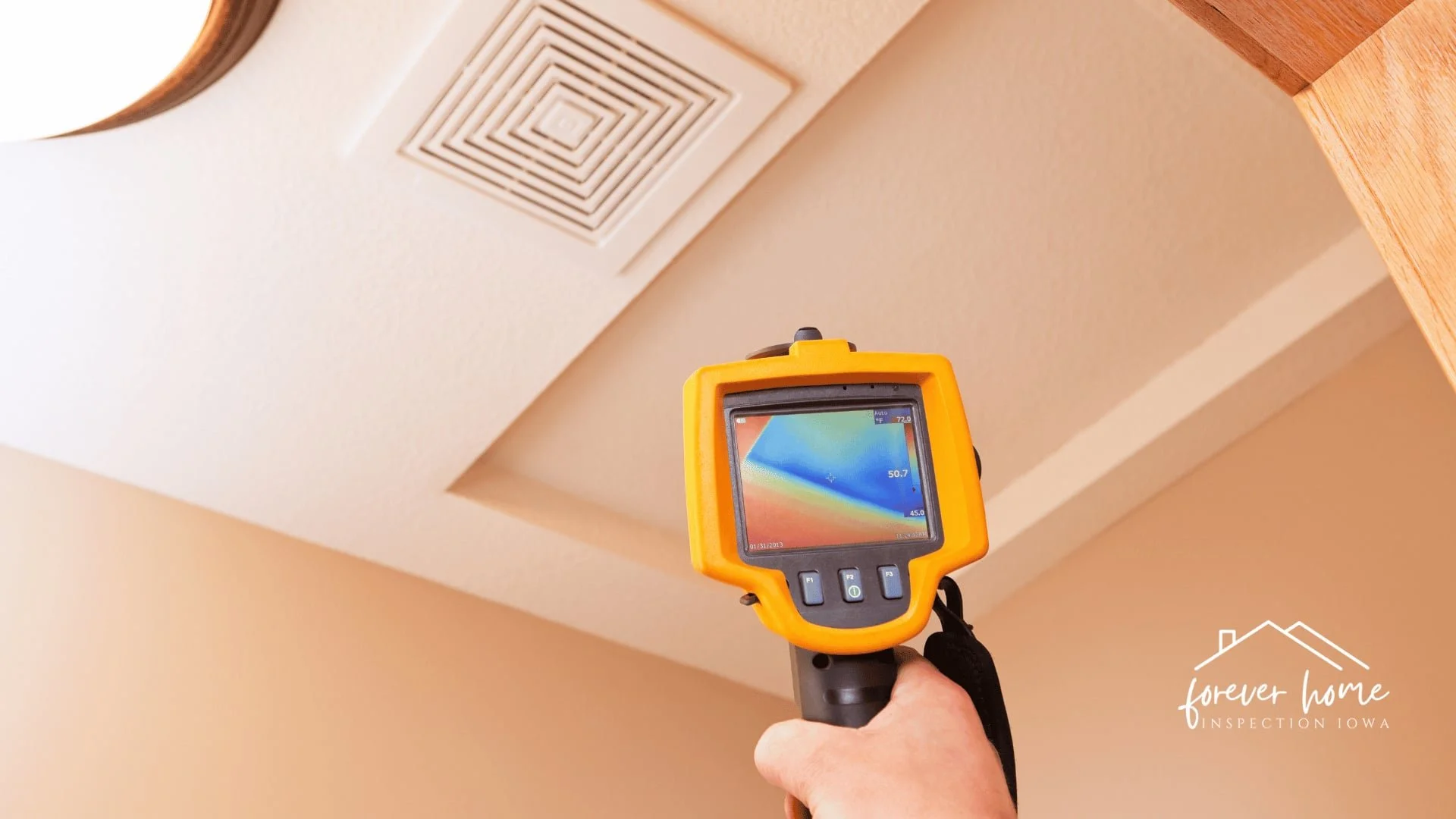
HVAC system performance assessment benefits significantly from thermal imaging capabilities, enabling inspectors to evaluate ductwork integrity, identify blocked registers, and detect equipment malfunctions. Leaky supply ducts manifest as temperature anomalies on surrounding surfaces, while failed heating elements in radiant floor systems appear as cold zones in otherwise uniform heating patterns. Overheated electrical connections in HVAC equipment create distinctive hot spots visible through thermal imaging before they lead to component failure. Additionally, thermal imaging can help identify overloaded circuits, faulty wiring, and overheating breakers—hot spots that, if addressed early, can prevent electrical fires. Inspectors can also use thermal imaging to detect pests such as termites or rodents by identifying temperature differences in their nesting areas, providing homeowners with early warning of infestations.
Benefits of Using Thermal Imaging Cameras for Home Inspections
Early detection capabilities represent the primary advantage of thermal imaging in home inspections, enabling identification of problems before they progress to visible damage requiring extensive repairs. Moisture issues, insulation defects, and electrical problems often remain hidden for months or years while causing progressive damage. Thermal imaging reveals these conditions during their initial stages when corrective action costs significantly less than major remediation projects.
The non-invasive nature of thermal inspection provides substantial benefits for property owners. Unlike moisture meters that require direct contact or borescopes requiring drilled holes, thermal cameras examine building assemblies without any physical intrusion. This approach prevents damage to finished surfaces while providing comprehensive assessment of areas that would otherwise remain inaccessible during standard visual inspections.
Inspection efficiency improves dramatically with thermal imaging technology, as cameras can scan large areas quickly while highlighting specific locations requiring detailed examination. A complete thermal survey of a residential property typically requires only a few additional hours compared to visual inspection alone, yet provides extensive additional information about building performance and hidden conditions.
Enhanced documentation quality benefits clients through compelling visual evidence supporting inspection findings. Thermal images provide intuitive understanding of building problems that written descriptions alone cannot convey. When included in thermal imaging inspection reports, these images help property owners understand recommended repairs and prioritize maintenance investments based on actual thermal evidence rather than speculation.
Professional credibility increases substantially for home inspectors who demonstrate competence in advanced diagnostic technology. Clients increasingly expect modern inspection techniques that go beyond basic visual assessment, and thermal imaging capability differentiates qualified professionals from basic inspection services.

Home Inspectors Serving Iowa
Forever Home Inspection Iowa is a local, certified, and insured company emphasizing ethics and client care. Built on love and loyalty, we ensure every inspection is thoroughly done, which accompanies a highly detailed, digital report and warranty.
We specialize in homebuyer inspections. Primarily serving homebuyers and sellers within 60 miles of the Des Moines, Iowa area, we’re flexible and purposeful in meeting client needs.
Our team operates throughout Central Iowa, ensuring quality inspection services in areas all around the Des Moines metro.
We serve both urban and rural Iowa communities, providing top-notch inspections for both residential and commercial properties.
Our services include surrounding communities like Urbandale and Altoona, and others in the region.
Our commitment to comprehensive, dependable inspections extends throughout Central Iowa, ensuring all residents have access to quality inspection services.
We continually strive to meet the diverse needs of Iowan homebuyers and sellers, maintaining excellence in home inspections and helping our fellow citizens across Central Iowa make informed real estate decisions!
How to Schedule Your Home Inspection
Scheduling a home inspection with Forever Home Inspection Iowa is simple and stress-free. Book your inspection online or with a quick phone call—our responsive team makes scheduling easy, a quality our clients and real estate agents consistently appreciate.
We’re not only experts in our field, but qualifying inspections also include a free warranty, adding an extra layer of confidence to your homebuying journey. We’re confident you’ll love partnering with us.
Once scheduled, you’ll receive an email with access to your custom inspection portal, where you can review important documents and complete payment securely. Inspections typically take two to four hours, depending on the size and condition of the property. Every step of the process is designed with your convenience— and peace of mind —in mind!
Reviews From Happy Homebuyers
FAQ
Can thermal imaging cameras see through walls during home inspections?
The short answer is no. Thermal imaging cameras detect surface temperature differences and cannot visualize objects inside walls like electrical wiring or plumbing pipes. However, they can sometimes detect temperature variations through thin materials and identify missing insulation patterns that appear as temperature differences on wall surfaces. The technology measures infrared radiation emitted by visible surfaces, not hidden objects behind those surfaces.
How accurate are thermal imaging cameras for detecting water leaks?
Thermal cameras are highly effective at detecting moisture because water absorbs heat energy, creating cool signatures visible in thermal images. They can identify early signs of water intrusion before visible damage occurs, but environmental conditions and proper calibration are essential for accurate readings. Professional interpretation distinguishes between moisture cooling and other causes of temperature variations like air leakage or thermal bridging.
How much does a thermal imaging inspection cost?
Pricing can vary by region. At Forever Home Inspection Iowa, however, we never charge extra for thermal imaging. It’s included with every inspection at no additional cost— just one of the many ways we deliver exceptional value and top-tier service to our clients!
Want More?
Check out other posts we’ve written.