
Key Takeaways
Verify the home inspector is qualified under Iowa’s Home Inspection Accountability Act (SF460), not just “experienced.”
Prioritize certified home inspectors with ASHI or InterNACHI certification, local Iowa knowledge, and detailed sample report examples.
Ask for proof of errors and omissions insurance plus general liability insurance before hiring.
Compare scope, cost, technology, and the inspection report quality-not only price.
Do your own research; a real estate agent or realtor referral can help, but it should not be your only source.
Introduction: Why Your Iowa Home Inspection Choice Matters
A home inspection is a visual examination of a house’s overall condition before a home purchase. For buyers in Des Moines, Cedar Rapids, Iowa City, rural counties, or anywhere in Iowa, the right inspector can uncover safety issues, roof leaks, basement moisture, plumbing defects, electrical problems, drainage concerns, and radon risk before closing.
This post answers the keyword question: what should I look for when choosing a home inspection service in Iowa? The short answer is: legal qualification, certification, local expertise, insurance, clear reporting, and honest communication. That advice applies whether you are purchasing your first new home, investing in real estate, or helping family compare home inspection services.
Understand Iowa’s Legal Requirements for Home Inspectors
Iowa does not issue a traditional state-administered home inspector license. Instead, Iowa’s Home Inspection Accountability Act (SF460) regulates who can legally issue a home inspection report. Under Iowa Code 558A.4A, the person must generally be a licensed architect, professional engineer, or a member in good standing of a qualifying national home inspectors association.
For non-architects and non-engineers, only members in good standing of national home inspectors associations, such as ASHI or InterNACHI, are permitted to issue inspection reports in Iowa. A qualifying association must have standards, a code of conduct, continuing education, members in multiple states, and full membership tied to at least 100 home inspections. Inspectors in Iowa must participate in a minimum of 100 home inspections to qualify under state guidelines.
Ask: “How do you meet Iowa law?” Then verify the membership, certification, or professional license online. This protects your interest and helps determine whether the company is responsible and qualified.
Check Licensing, Certification, and Professional Associations
Certification from professional organizations such as the American Society of Home Inspectors (ASHI) or the International Association of Certified Home Inspectors (InterNACHI) indicates that a home inspector has met specific training and examination requirements, enhancing their credibility. Professional organizations such as ASHI and the International Association of Certified Home Inspectors provide searchable lists of home inspectors in your area.
In many states, home inspectors are required to pass a written National Home Inspector Examination and document a minimum number of completed inspections to obtain certification. Home inspectors who are members of national associations must comply with a code of conduct and participate in continuing education to maintain their membership, ensuring they stay updated on industry standards and practices.
If a team will inspect the property, verify every certified home professional-not only the supervising inspector signing the report.
Licensed vs. Certified vs. “Experienced:" What’s the Difference?
Licensed usually means architect or engineer in Iowa. Certified means third-party credentials from ASHI, InterNACHI, or another international association-style body meeting Iowa rules. Experienced means the inspector has done the work, but years alone are not enough.
Avoid choosing based only on “20 years in the business.” A good home inspector can document training, inspections completed, standards followed, and regularly updated knowledge.
Evaluate the Inspector’s Experience With Iowa Homes
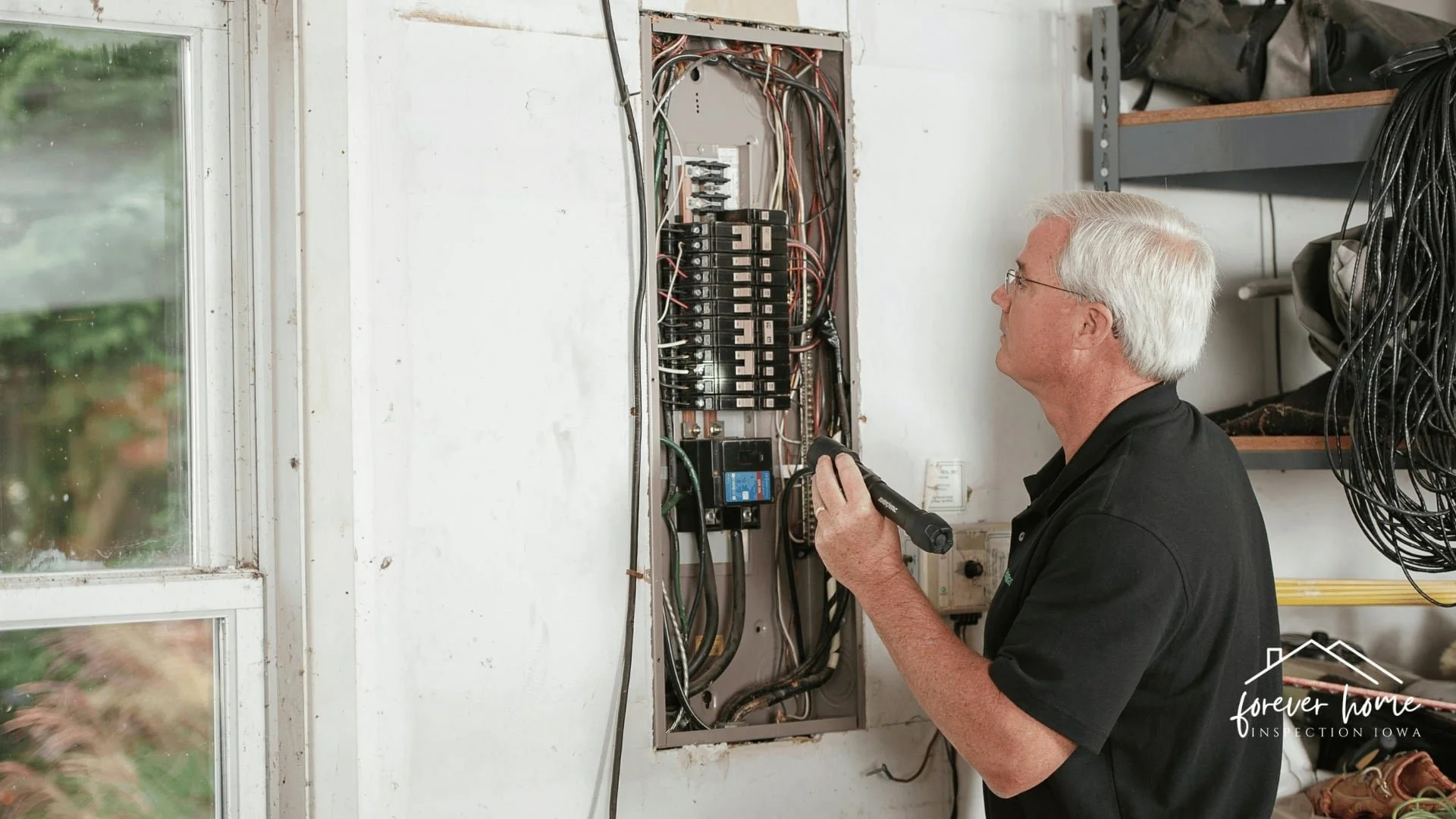
Local expertise matters. Iowa homes face freeze-thaw movement, clay soils, aging foundations, wet basements, old windows, roof wear, and radon. Ask how many inspections the inspector completes yearly and how many have been in your county.
A Des Moines inspector should understand 1920–1940 homes, 1960s ranches, and newer suburbs. Rural buyers should ask about wells, septic systems, outbuildings, and site access.
Specialized Knowledge: Radon, Older Homes, and Rural Properties
A standard home inspection is strictly visual and covers structural elements, roofing, plumbing, electrical, and HVAC systems but typically does not include specialized inspections for systems like septic or water.
Iowa has some of the highest average radon levels in the United States, necessitating continuous electronic radon monitoring as a critical add-on service. The Iowa Department of Health and Human Services reports very high statewide radon risk, so ask about specialized tests for radon, termites, sewer scope, septic, wells, mold, or water quality.
For older homes, choose certified inspectors comfortable with knob-and-tube wiring, stone foundations, cast-iron plumbing, and non-standard framing.
Review Sample Home Inspection Reports Before You Hire
The inspection report is what you will use after inspection day. Ask for a recent anonymized sample report before you pay.
Inspector reports in Iowa must include legally mandated statements detailing the scope and limitations of the visual inspection, as well as the current condition of major systems. A home inspection report must include a description of the scope of the inspection, identification of structural elements, systems, and subsystems covered, and a description of any material defects noted during the inspection.
The typical home inspection report consists of a few dozen pages covering findings on all major systems in the house, including photographs and descriptions of documented problems and maintenance suggestions. Home inspection reports should also include recommendations for repairs or further evaluations, helping buyers make informed decisions about the property.
How to Compare Reports Between Home Inspectors
Compare 2–3 reports side by side. Look for clear descriptions, labeled photos, repair priorities, safety issues, and plain-language advice. A vague basic inspection report with boilerplate wording may not help you save money during negotiation.
Confirm Insurance, Coverage, and Use of Technology
Home inspectors are required to carry both Errors and Omissions (E&O) and General Liability insurance to provide financial protection in case of property damage or overlooked defects. Ask for proof of current coverage, including errors and omissions insurance, general liability, and policy limits.
Inspectors should use advanced tools such as thermal imaging cameras, moisture meters, and drones for more effective inspections, particularly in hard-to-reach areas. Also ask about outlet testers, gas detectors, radon monitors, and moisture tools for basement walls.
Questions to Ask About Tools and Safety Practices
Do you use thermal imaging on every inspection?
How do you inspect a roof in winter or unsafe conditions?
Will you inspect attics, crawl spaces, grading, and the basement?
Which tools are included in the cost and which are add-ons?
Technology should support-not replace-hands-on inspection.
Compare Pricing, Scope, and What’s Included
Home inspection cost varies by size, age, location, and complexity. Do not choose only by who charges the least money. Request a written quote showing roof, attic, foundation, HVAC, plumbing, electrical, exterior, interior, appliances, and exclusions.
Many homeowners and buyers pay extra for radon, sewer, termite, septic, well, or mold services. Ask whether a follow-up call is included, whether re-inspection is available, and when the report will be complete.
Value Over Price: How to Judge a “Good Deal”
A higher-quality inspection can save money by revealing major concerns before closing. Spending $50–$150 more may protect thousands in future repairs. The best value balances certification, quality, insurance, tools, turnaround time, and commitment to clients.
Use Referrals and Reviews, But Stay Objective
Real estate agents may refer home inspectors, but this can create a conflict of interest since the agent’s goal is to close the deal, which may not align with the inspector’s duty to provide an unbiased evaluation. An inspector referred by a real estate agent may feel pressured to conduct a less thorough inspection to avoid jeopardizing the sale, leading to potential conflicts of interest.
Iowa law prohibits inspectors from accepting referral fees or kickbacks from real estate agents to avoid conflicts of interest in the inspection process. Iowa law also prohibits inspectors from performing repairs on properties they inspected within the past 12 months, with specific exceptions for radon or pest remediation.
To avoid conflicts of interest, homebuyers are advised to find their own home inspector rather than relying solely on referrals from real estate agents. To find a reputable home inspector, ask friends who have recently purchased a home for recommendations, and check local online communities like NextDoor or Patch for referrals. When searching for a home inspector, it’s important to verify their qualifications by checking for licensing and certification, as well as looking for reviews and complaints online.
Practical Steps to Narrow Your Shortlist
Gather 3–5 names from your community, agent, family, and online reviews.
Verify Iowa qualifications.
Review each sample report.
Compare price, scope, and services.
Call each inspector and choose the honest communicator you feel confident moving forward with.
Engaging inspectors who encourage clients to be present during the inspection is beneficial, as they can explain findings in person and provide better insights into the property.

Home Inspectors Serving Iowa
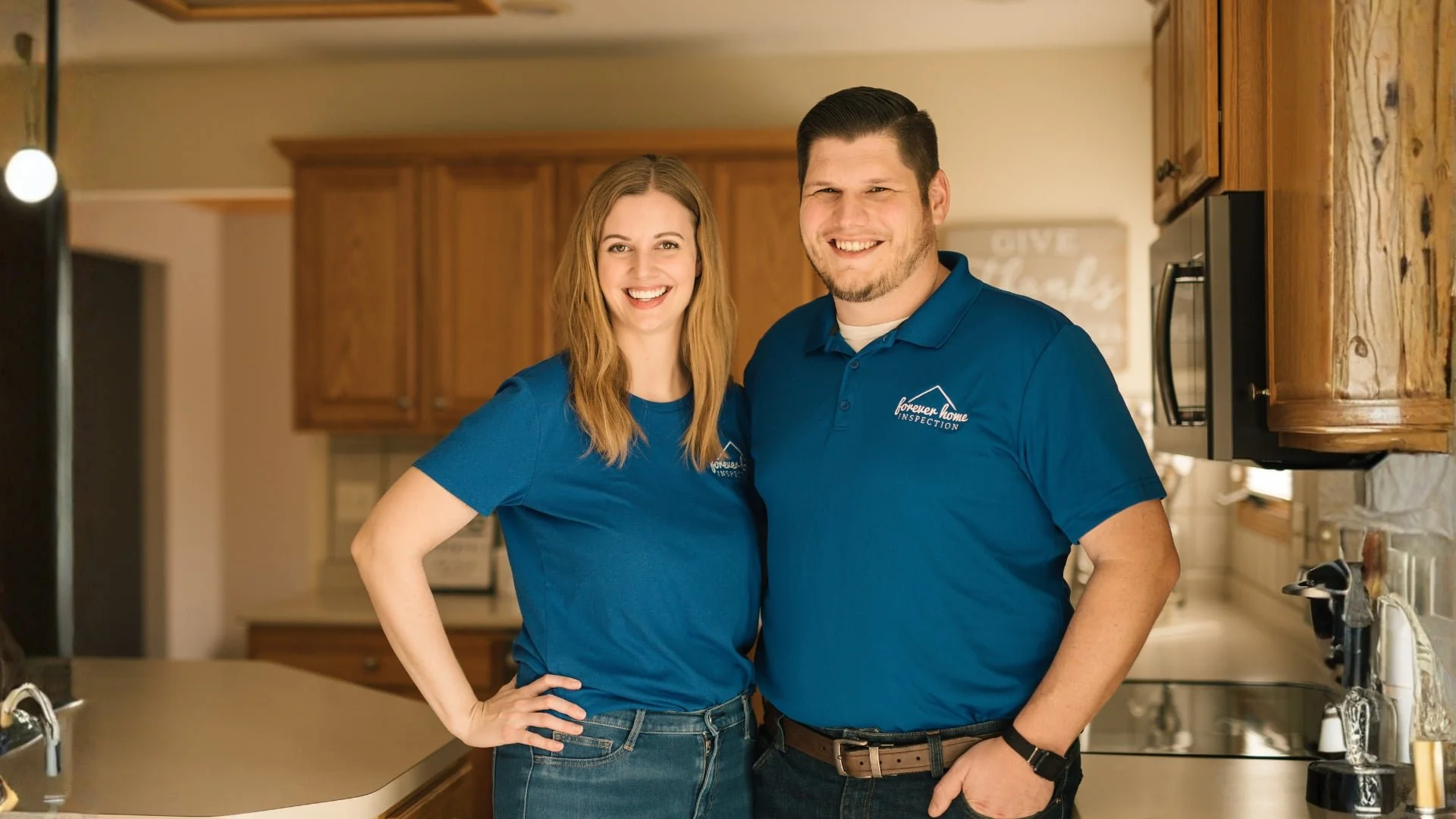
Forever Home Inspection Iowa is a local, certified, and insured company emphasizing ethics and client care. Built on love and loyalty, we ensure every inspection is thoroughly done, which accompanies a highly detailed, digital report and warranty.
We specialize in homebuyer inspections. Primarily serving homebuyers and sellers within 60 miles of the Des Moines, Iowa area, we’re flexible and purposeful in meeting client needs.
Our team operates throughout Central Iowa, ensuring quality inspection services in areas all around the Des Moines metro.
We serve both urban and rural Iowa communities, providing top-notch inspections for both residential and commercial properties.
Our services include surrounding communities like Waukee, Huxley, and others in the region.
Our commitment to comprehensive, dependable inspections extends throughout Central Iowa, ensuring all residents have access to quality inspection services.
We continually strive to meet the diverse needs of Iowan homebuyers and sellers, maintaining excellence in home inspections and helping our fellow citizens across Central Iowa make informed real estate decisions!
How to Schedule Your Home Inspection
Scheduling a home inspection with Forever Home Inspection Iowa is simple and stress-free. Book your inspection online or with a quick phone call— our responsive team makes scheduling easy, a quality our clients and real estate agents consistently appreciate.
We’re not only experts in our field, but qualifying inspections also include a free warranty, adding an extra layer of confidence to your homebuying journey. We’re confident you’ll love partnering with us.
Once scheduled, you’ll receive an email with access to your custom inspection portal, where you can review important documents and complete payment securely. Inspections typically take two to four hours, depending on the size and condition of the property. Every step of the process is designed with your convenience— and peace of mind —in mind!
Reviews From Happy Homebuyers
Frequently Asked Questions About Choosing a Home Inspection Service in Iowa
Do I really need a home inspection if the house is newly built in Iowa?
Yes. New construction can still have grading, insulation, roof, plumbing, electrical, or HVAC mistakes. A third-party inspection creates a documented baseline for warranty claims.
Can I use the same home inspector my real estate agent recommends?
Yes, but independently verify credentials, reviews, insurance, and the sample report. Add at least one inspector you found yourself for comparison.
How far in advance should I schedule my Iowa home inspection?
Schedule as soon as the purchase agreement is signed. In spring and summer, strong inspectors may book several days out, so leave enough time before your contingency deadline.
Should I attend the home inspection in person?
Yes, at least for the summary. Walking the property with the inspector helps you understand concerns that may not be obvious from the written report.
What if my preferred home inspector is unavailable?
Ask whether another certified person on the same company team can conduct the inspection. If not, use your backup list or negotiate more time rather than waiving the inspection.
Want More?
Check out other posts we’ve written.