
Home Inspection Des Moines, Iowa: What You Should Know
Key Takeaways
A home inspection Des Moines, Iowa protects buyers and sellers by revealing hidden issues before a home purchase is finalized.
Certified home inspectors in Des Moines follow Iowa standards and local best practices for foundations, roofs, basements, older homes, and newer suburban builds.
A detailed electronic home inspection report with photos is typically delivered within 24 hours and can support negotiations, repairs, and long-term planning.
Top home inspection services in Des Moines often include roof and attic checks, thermal imaging, and evaluation of major systems like hvac, plumbing, and electrical.
Schedule inspections early, ideally within the first week after an accepted offer, because contract deadlines often move fast.
Introduction: Why Home Inspections Matter in Des Moines
A home inspection (also known as a property inspection) is a thorough examination of a property’s condition, conducted by a certified home inspector, which includes visual assessments of the exterior and interior, system checks, and individual component inspections. It is not an appraisal, warranty, or guarantee. Its purpose is to help buyers, sellers, homeowners, and their realtor understand the true state of the home before major decisions are made.
That matters in the Des Moines real estate market because the local housing stock is varied. One house may be a 1940s bungalow with plaster walls, an older basement, and aging wiring. Another may be a 1970s ranch, a 1990s subdivision home, or a new home in Waukee, Ankeny, Urbandale, Altoona, or West Des Moines. Each type of property has different risks.
Iowa’s four seasons also create stress on homes. Freeze–thaw cycles, heavy spring rains, humid summers, and cold winters can affect the roof, siding, windows, foundation, and basement. Iowa homes face extreme seasonal shifts that may affect structural conditions like foundation settling and moisture issues.
Home inspections can be the most nerve-wracking part of the buying process, but they don’t have to be if you choose the right inspector. A professional inspection helps buyers feel confident, gives sellers a clearer picture of condition, and creates peace of mind before a home purchase or sale moves forward.
This guide explains how to choose home inspectors, what inspection services include, what to expect on site, and how to use the report after the inspection is complete.
What a Des Moines Home Inspection Includes
Certified inspectors follow a standardized process and checklist during a typical 2–3 hour inspection. Larger, older, or more complex homes can take longer, especially if there are multiple mechanical systems, outbuildings, crawl spaces, or difficult access points.
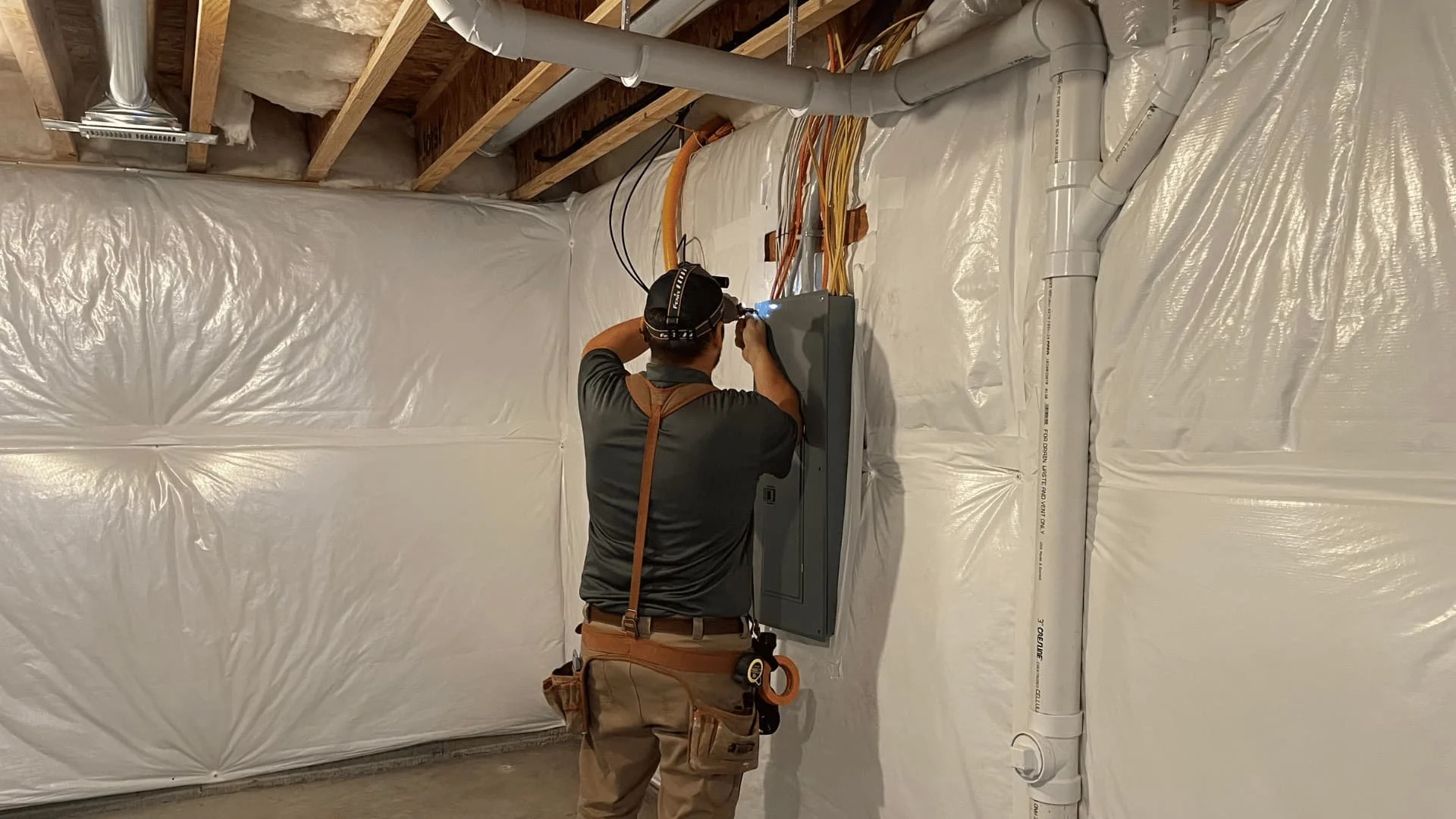
A standard home inspection generally covers the roof, exterior, foundation and structure, attic and insulation, plumbing, electrical systems, HVAC, interior rooms, and the garage. During the inspection, the inspector evaluates the roof for shingles, flashing, gutters, visible damage, drainage, and roof penetrations. The exterior inspection includes siding, trim, grading, windows, doors, decks, porches, and walkways. The foundation and structural inspection looks for visible cracks, settlement, bowing walls, moisture signs, and framing concerns. In the attic and insulation areas, the inspector checks ventilation, insulation depth, staining, roof leaks, and air movement. Plumbing inspections include fixtures, visible pipes, leaks, water pressure, and the condition of the water heater. Electrical inspections evaluate the panel condition, visible wiring, outlets, GFCI protection, and other safety issues. HVAC systems are checked for furnace and air conditioning performance, thermostat function, vents, ductwork, age, and overall operation. Interior room inspections cover floors, walls, ceilings, stairs, doors, windows, and any visible damage. Finally, the garage inspection includes door operation, fire separation, outlets, structural components, and safety features.
Common Des Moines issues include basement moisture, foundation cracks from clay soil movement, older electrical panels, aging furnaces, and roof or gutter problems caused by ice, wind, or poor drainage.
The inspector’s job is to inspect visible and accessible areas and provide an unbiased assessment. Inspectors may identify conditions that appear unsafe or outdated, but the inspection is not a local compliance inspection and it is not an appraisal.
Modern home inspection services often include digital photos, moisture meters, thermal imaging for hidden moisture or insulation gaps, and plain-language explanations. That matters because a useful inspection should not just list problems. It should explain what the findings mean, what might need immediate attention, and which recommendations may require a specialist.
A standard home inspection does not cover hidden or environmental hazards, hence specific tests may need to be added. For example, radon testing, sewer scope inspections, fungus assessments, well water tests, or termite inspections are separate services.
Certified Home Inspectors and Iowa Standards
Choosing certified home inspectors matters because the quality of the inspection depends heavily on training, ethics, and thoroughness. Certified home inspectors are trained to identify potential issues and defects that might otherwise go unnoticed, providing an unbiased and precise evaluation of the property’s condition.
Home inspections in Iowa must be performed by members of national associations, certified inspectors, or structural engineers. Reputable inspectors often hold credentials through organizations like InterNACHI® or ASHI and follow written Standards of Practice. You can review Iowa’s current requirements through InterNACHI’s Iowa licensing and certification summary.
A reliable certified home professional should also:
Provide a written inspection agreement before the service begins
Carry Errors & Omissions and general liability insurance
Follow a code of ethics
Complete ongoing education
Maintain proper records
Avoid conflicts of interest
Iowa law requires inspectors to carry a policy in Errors & Omissions and general liability insurance. Inspectors are also prohibited from performing repairs on homes they inspected within the previous 12 months to avoid conflicts of interest.
When hiring an inspector, it is important to verify their credentials through national registries or local boards. This helps guarantee the person you hire is not offering a quick cursory walkthrough, but consistent, repeatable inspection services based on recognized standards.
Benefits of a Home Inspection for Your Des Moines Home Purchase
For buyers in Des Moines and greater Polk County, a thorough home inspection can be one of the most valuable steps in purchasing a house. Knowing the true state of a property helps homebuyers make informed decisions and gives them peace of mind.
A home inspection can save homebuyers from expensive repairs and renovations in the future by identifying problems early. A small grading issue today can become basement flooding later. A worn roof boot can become ceiling damage. An outdated electrical panel can become a safety concern as a family adds modern appliances, home office equipment, or an EV charger.
A good inspection can uncover:
Outdated or overloaded electrical components
Gas leaks or unsafe appliance connections
Unsafe decks or missing handrails
Roof leaks or attic ventilation problems
Foundation movement or bowing basement walls
Plumbing leaks and water heater issues
HVAC equipment near the end of its service life
An inspection report is a powerful tool for negotiating the property’s price or requesting necessary repairs from the seller. Buyers often review findings with their agent, then request repairs, a seller credit, a price adjustment, or further evaluation by a licensed specialist.
After a home inspection, buyers receive a comprehensive report detailing the property’s condition, including any defects or issues found, along with recommendations for repairs or further evaluations. Think of it as a user manual for the home. It gives clients knowledge about the condition, age, and maintenance needs of major systems so they can plan with more ease.
Des Moines-Specific Concerns and Optional Inspection Services
Central Iowa’s climate and geology create local inspection concerns that buyers should not ignore. Clay-heavy soils can expand when wet and shrink when dry, while frost can move shallow soils and stress slabs, driveways, patios, and foundations.
One of the biggest add-ons in the area is radon testing. Iowa has some of the highest average radon levels in the United States, and the EPA recommends testing during any real estate transaction. The Iowa Department of Health and Human Services notes that elevated radon is a statewide concern, and many homes test above the EPA action level of 4 pCi/L.
Other local concerns include:
Sump pumps and drain tiles in homes with basements
Ice dams on older roofs with poor attic insulation or ventilation
Grading problems in fast-growing subdivisions
Gutters that discharge too close to the foundation
Moisture stains near rim joists or basement walls
Older sewer lines in established neighborhoods
Termite inspection is especially important for homes with wood framing or in damp areas
In Des Moines, homebuyers are fully responsible for the sewer line connecting the home to the city main. That is why a sewer scope can be helpful, especially for older neighborhoods with clay, cast iron, or mature tree roots near the line.
Optional inspection services may include radon testing, sewer scope inspections, termite or wood-destroying organism (WDO) inspections, fungus assessments, and water quality testing. Radon testing is often recommended in almost any Iowa real estate transaction due to the state’s elevated radon levels. A sewer scope inspection may be worthwhile for older homes, properties with large trees, slow drains, or homes with an unknown sewer line age. Termite or WDO inspections can be helpful when there is evidence of wood damage, older framing, damp basements, or rural property conditions that may attract pests. Fungus assessments are commonly recommended when there is persistent moisture, musty odors, or visible staining in the home. Water quality testing is especially important for rural homes or properties that rely on private wells.
In West Des Moines or Urbandale, inspectors may focus closely on drainage and finished basement moisture. In Altoona and Waukee, newer homes may still need attention to grading, attic insulation, ventilation, and workmanship details.
How to Choose the Right Home Inspector in Des Moines
Not all home inspectors or home inspection services are the same. The cheapest option may not be the best choice if the inspector rushes, communicates poorly, or provides a vague report.
Homebuyer forums suggest independently sourcing an inspector to make certain of unbiased results. Your realtor may offer recommendations, but it is still smart to compare inspectors, read reviews, and check credentials yourself. When researching, remember that an inspection company is another term for a business offering these services, and you may encounter both individual inspectors and larger inspection companies.
Choosing a certified inspector with a reputation for honesty and thoroughness can help guarantee an inspection report that both buyer and seller can believe in.
Before booking, check:
Certifications through InterNACHI, ASHI, or another recognized organization
Experience in the Des Moines area
Familiarity with older homes, basements, and local soil conditions
Sample home inspection report quality
Insurance, including E&O and general liability
Report turnaround time
Whether clients can be present
What add-ons are available
Whether thermal imaging is included or extra
Searching google reviews and looking for patterns can be helpful. One bad review may not tell the whole story, but repeated complaints about missed findings, unclear communication, or late reports are red flags.
Ask questions like:
Will you walk the roof if conditions allow?
Do you enter the attic and crawl space when accessible?
How do you explain major findings?
When will I receive the report?
Do you carry the required insurance?
Can I attend the inspection?
What does your service include?
The best inspectors combine field experience, technical knowledge, a commitment to clients, and clear communication. Prioritize quality and thoroughness over simply trying to pay the lowest fee.
What to Expect on Inspection Day
A typical home inspection in Des Moines starts with the inspector arriving on site, reviewing the agreement, and beginning a systematic evaluation of the property. The inspector is assessing the overall property condition, including major systems and structural components. The buyer and agent may be present, although practices vary by transaction.
Before the inspector arrives, make sure:
Utilities are on
Access to the attic is clear
Basement, crawl space, and garage areas are accessible
Electrical panel access is not blocked
Appliances are connected
Pets are secured
Keys or access codes are available
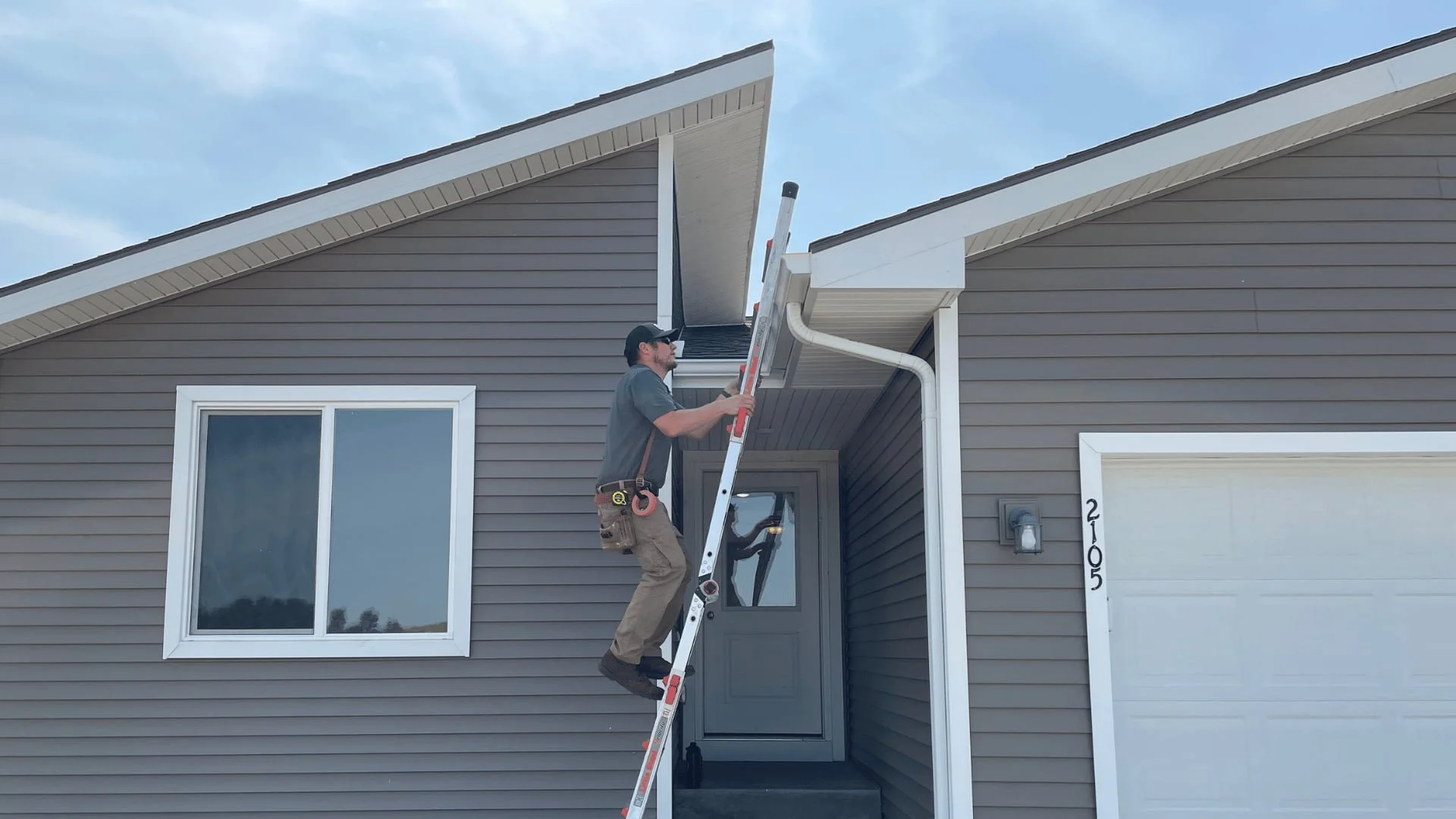
The inspector will usually evaluate the exterior first, including grading, gutters, siding, roof surfaces when weather permits, decks, porches, and windows. Then the inspection typically moves inside to the attic, rooms, plumbing fixtures, electrical panel, HVAC equipment, water heater, garage, and basement.
Buyers are usually encouraged to attend at least part of the inspection. This is helpful because the inspector can explain findings in plain language and answer questions in real time. A verbal summary at the end often highlights the most important safety, structural, moisture, or system concerns.
Approximate home inspection timelines vary depending on the size, age, and complexity of the property. A condo or townhouse inspection typically takes about 1.5 to 2 hours, while an average single-family home usually requires 2 to 3 hours. Older homes with basements often take longer, generally around 3 to 4 hours, due to additional structural and mechanical considerations. Large, historic, or more complex properties may require 4 or more hours to complete a thorough inspection.
The rest of the process happens after the inspection, when the inspector organizes photos, notes, and recommendations into the final report.

Your Home Inspection Report: What It Looks Like and How to Use It
The written report is the primary deliverable of any home inspection. It documents the condition of the property on the inspection date and gives buyers, sellers, and agents a practical tool for decision-making.
Most Des Moines inspectors now provide a digital PDF, web-based report, or both. A good home inspection report usually includes:
Photos of defects
Summaries of major findings
Safety concerns
Major repairs
Maintenance items
Recommendations for specialists
Notes about inaccessible areas
System and component descriptions
Reports may use color-coding or categories to separate urgent concerns from routine maintenance. This makes it easier to understand what needs attention now and what can wait.
Common inspection report categories include safety hazards, major repairs, maintenance items, conditions to monitor, and recommendations for further evaluation. A safety hazard refers to an issue that may affect health or personal safety, while a major repair indicates a defect that could require significant expense or evaluation by a specialist. Maintenance items are typically normal upkeep concerns or minor corrections that homeowners should address over time. A monitor designation means the condition should be observed periodically to determine whether it worsens or changes. Further evaluation recommendations indicate that a qualified specialist should inspect the issue before closing or after purchase to determine the full scope of the problem.
Buyers, sellers, and agents in Des Moines typically use the inspection report to request repairs or negotiate concessions within contract deadlines. The report can also help a seller decide what to fix before listing or what to disclose to future buyers.
Save the report after closing. It can help homeowners plan maintenance, budget for upgrades, and understand the home years after the purchase.
Costs and Scheduling Home Inspections in Des Moines
Home inspection pricing varies by property size, age, location, and included inspection services. The inspection fee for a standard single-family home in the Des Moines metro area often falls somewhere around $400–$800, with smaller homes on the lower end and larger or more complex homes on the higher end.
Optional inspection services usually cost extra and may be recommended depending on the property and potential risks involved. Radon testing is commonly suggested because of Iowa’s high radon risk levels. A sewer scope inspection can be valuable since homeowners are typically responsible for the sewer line connecting the home to the city main. Termite or wood-destroying organism (WDO) inspections are often recommended when there is evidence of wood damage or damp areas that may attract pests. Fungus assessments may be worthwhile if the property has moisture issues, musty odors, or visible staining that could indicate fungus growth. Thermal imaging inspections can help identify hidden moisture problems, insulation deficiencies, or other issues not visible during a standard inspection.
Inspections are typically scheduled immediately after an offer is accepted. Many contracts have inspection contingency deadlines of about 7–10 days, so waiting can create unnecessary pressure.
Spring and summer are often busy real estate seasons in Des Moines. If you are purchasing during a competitive period, start researching inspectors before you submit an offer. That way, once your offer is accepted, you can move forward quickly and make sure your preferred team has availability.
Conclusion
A home inspection in Des Moines, Iowa search may bring up dozens of options, but the right choice comes down to training, trust, communication, and thoroughness.
For buyers, a strong inspection reduces uncertainty before purchasing. For sellers, it can reveal problems before they derail a deal. For homeowners, it provides a practical maintenance roadmap for the future.
If you are preparing for a home purchase in Des Moines, schedule your inspection early, verify credentials, ask direct questions, and choose an inspector who will provide clear findings you can understand and use.

Home Inspectors Serving Iowa
Forever Home Inspection Iowa is a local, certified, and insured company emphasizing ethics and client care. Built on love and loyalty, we ensure every inspection is thoroughly done, which accompanies a highly detailed, digital report and warranty.
We specialize in homebuyer inspections. Primarily serving homebuyers and sellers within 60 miles of the Des Moines, Iowa area, we’re flexible and purposeful in meeting client needs.
Our team operates throughout Central Iowa, ensuring quality inspection services in areas all around the Des Moines metro.
We serve both urban and rural Iowa communities, providing top-notch inspections for both residential and commercial properties.
Our services include surrounding communities like Pleasant Hill, Ankeny, and others in the region.
Our commitment to comprehensive, dependable inspections extends throughout Central Iowa, ensuring all residents have access to quality inspection services.
We continually strive to meet the diverse needs of Iowan homebuyers and sellers, maintaining excellence in home inspections and helping our fellow citizens across Central Iowa make informed real estate decisions!
How to Schedule Your Home Inspection
Scheduling a home inspection with Forever Home Inspection Iowa is simple and stress-free. Book your inspection online or with a quick phone call— our responsive team makes scheduling easy, a quality our clients and real estate agents consistently appreciate.
We’re not only experts in our field, but qualifying inspections also include a free warranty, adding an extra layer of confidence to your homebuying journey. We’re confident you’ll love partnering with us.
Once scheduled, you’ll receive an email with access to your custom inspection portal, where you can review important documents and complete payment securely. Inspections typically take two to four hours, depending on the size and condition of the property. Every step of the process is designed with your convenience— and peace of mind —in mind!
Reviews From Happy Homebuyers
FAQ: Home Inspections in Des Moines, Iowa
Do I need a home inspection for new construction in Des Moines?
Yes. Even new construction in Des Moines and surrounding suburbs benefits from an independent home inspection. A builder walkthrough is not the same as a third-party inspection.
Inspectors often find problems with grading, insulation, attic ventilation, plumbing, electrical details, windows, and finish workmanship in brand-new homes. A new home may look complete, but an independent check can catch issues before they become the homeowner’s responsibility.
Can a home inspection fail a house in Iowa?
No. A home inspection does not pass or fail a house. The inspector documents conditions and defects so the buyer can make an informed decision.
Mortgage lenders, insurers, or the City of Des Moines may have separate requirements, but the inspector’s role is to report findings, not enforce local requirements. The buyer then decides whether to continue, renegotiate, request repairs, or walk away if the contract allows.
How long is a home inspection report valid in Des Moines?
A report reflects the condition of the home on the day of inspection. Conditions can change because of weather, occupancy, damage, repairs, or neglect.
If closing is delayed by many months, or if a property has been vacant over a Des Moines winter, a re-inspection may be wise. This is especially true for plumbing, roof, foundation, basement moisture, and HVAC concerns.
Should the seller be present during the home inspection?
Practices vary, but many agents in Des Moines prefer that only the buyer, buyer’s agent, and inspector attend. This allows candid discussion and gives buyers room to ask questions.
If the seller is present, the seller should give the inspector room to work, avoid interrupting the process, and understand that the inspector’s responsibility is to the client who ordered the inspection.
What happens if serious problems are found?
Buyers typically review the report with their agent and decide whether to request repairs, ask for a credit, renegotiate the price, or walk away within contingency deadlines.
Focus first on major structural, safety, water-intrusion, sewer, roof, foundation, electrical, and HVAC problems. Cosmetic issues may matter, but serious findings should drive the next step.
Want More?
Check out other posts we’ve written.