
What Fixes Are Mandatory After a Home Inspection?
You found your dream home, scheduled a thorough inspection, and now you’re staring at a multi-page home inspection report listing dozens of issues. The question burning in your mind: what fixes are mandatory after a home inspection?
The answer is more nuanced than most buyers and sellers expect. Very few repairs are legally “mandatory” everywhere—most obligations stem from your loan type, insurance requirements, and the specific language in your purchase agreement. This guide breaks down exactly what you need to fix, what you can skip, and what falls into the gray zone of negotiation.
Key Takeaways
An inspection report is an informational tool, not a legal work order—obligations come from lenders, insurers, and your contract, not the home inspector
FHA loans and VA loans have specific property standards that often require repairs addressing structural defects, building requirement violations, or safety issues before funding
Essential repairs after a home inspection often fall into categories of safety hazards, structural integrity, and major system failures
When negotiating repairs after a home inspection, buyers should prioritize requests based on severity, focusing on safety and major systems first, followed by lender-required items and high-cost repairs
Sellers can respond to repair requests by completing repairs, offering a credit, reducing the sale price, or negotiating selectively on which items to address
Understanding What fixes are “Mandatory” after a home inspection
An inspection report dated April 2026 in most U.S. states carries no legal authority to mandate repairs. Instead, it functions as a detailed visual examination of the property’s condition—a tool for negotiation between both the buyer and seller.
What feels “mandatory” in a real estate transaction typically comes from three main sources. First, lender requirements focus on structural soundness, safety hazards, and overall habitability of the property to guarantee it meets financing standards. Second, insurance requirements address issues such as fire hazards, roof condition, and environmental risks that could affect coverage eligibility or premiums. Third, contract contingencies often include safety and habitability clauses, along with inspection contingency terms, which allow buyers to request repairs, negotiate credits, or potentially withdraw from the transaction if significant issues are discovered.
For buyers, the inspection report reveals which items could actually stop financing or insurance. For sellers, it highlights defects that might derail the transaction. State law, local ordinances, and your specific purchase agreement control what must be fixed before closing in your location.
Home inspections may reveal issues that render a home uninhabitable or un-financeable. Addressing red flags in a home inspection is often necessary to secure buyer financing and keep a sale on track.
Repairs That Are Effectively Mandatory After a Home Inspection
When we say “mandatory,” we mean repairs required to close a loan, obtain homeowners insurance, or satisfy basic safety and building standards. These inspection repairs are typically non-negotiable for lenders and insurers and must be completed—or credited and escrowed—before closing.
Certain repairs are required by lenders before they will release funds to finance a buyer’s home purchase, particularly those addressing structural defects, requirement violations, or safety issues. Home inspectors highlight safety and material defects first because these are most likely to fall into the must-fix category.
Major system functionality is crucial for securing financing and ensuring habitability after a home inspection. Buyers using cash technically have more flexibility, but may still struggle to insure or safely occupy a house with unresolved critical defects.
Common mandatory repairs after a home inspection often include addressing electrical hazards, plumbing issues, and structural damage, as these can pose safety risks and affect the home’s habitability.
Structural Damage and Foundation Problems
Problems that compromise a home’s stability are critical for safety and long-term value. Lenders in 2026 almost always require clear evidence that the home’s structure is sound before funding.
Common structural issues that trigger mandatory fixes include:
Foundation cracks exceeding 1/4 inch (hairline cracks under 1/8 inch are often cosmetic)
Bowing or leaning walls with horizontal displacement greater than 2 inches
Severe wood rot with more than 50% section loss
Failing beams or joists causing sagging floors
Major water intrusion in basements or crawl spaces
Structural issues, such as uneven floors or bowing walls, can affect the safety and stability of a home, making it crucial to address these problems promptly during a home inspection.
When an inspector flags “structural concern—recommend structural engineer,” lenders typically demand a follow-up report and completion of repairs. Foundation issues and other foundation cracks, active leaks, and rotting load-bearing structures often require professional attention to maintain safety.
Per 2025 Rocket Mortgage data, unresolved structural damage leads to loan denial in approximately 25% of cases. Sellers should treat structural notes as top priority items and bring in licensed structural engineers or foundation contractors.
Major Safety Hazards (Electrical, Fire, and Gas)
Life-safety issues are usually treated as mandatory fixes by lenders, insurers, and most buyers. These safety concerns cannot be deferred without risking the entire transaction.
Electrical hazards to watch for:
Exposed live wiring with arc flash potential
Overloaded panels exceeding 80% capacity
Improperly terminated aluminum wiring (fire risk 5x higher than copper per UL studies)
Missing GFCI outlets within 6 feet of water sources
Scorched breaker panels indicating hotspots
Sparking outlets that can lead to dangerous situations
Electrical hazards include outdated wiring, sparking outlets, and missing GFCI outlets in wet areas. Electrical and fire hazards are particularly concerning during home inspections, as issues like sparking outlets can lead to dangerous situations and should be repaired as soon as possible.
Fire-related risks include:
Non-functioning smoke and carbon monoxide detectors (NFPA 72 requires interconnected units)
Malfunctioning gas furnaces creating carbon monoxide exposure
Unsafe chimneys with creosote buildup exceeding 1/8 inch
Gas hazards encompass active gas leaks, improperly vented gas appliances, and unsupported flexible gas lines. Non-functioning smoke carbon monoxide detectors and improper gas line connections create significant fire risks.
Federal Pacific panels, banned since the 1980s for 30-60% breaker failure rates, demand full service upgrades costing $3,000-$8,000. Always use licensed electricians and HVAC professionals, with written documentation for buyers and lenders.
Roof, Water Intrusion, and Exterior Envelope Issues
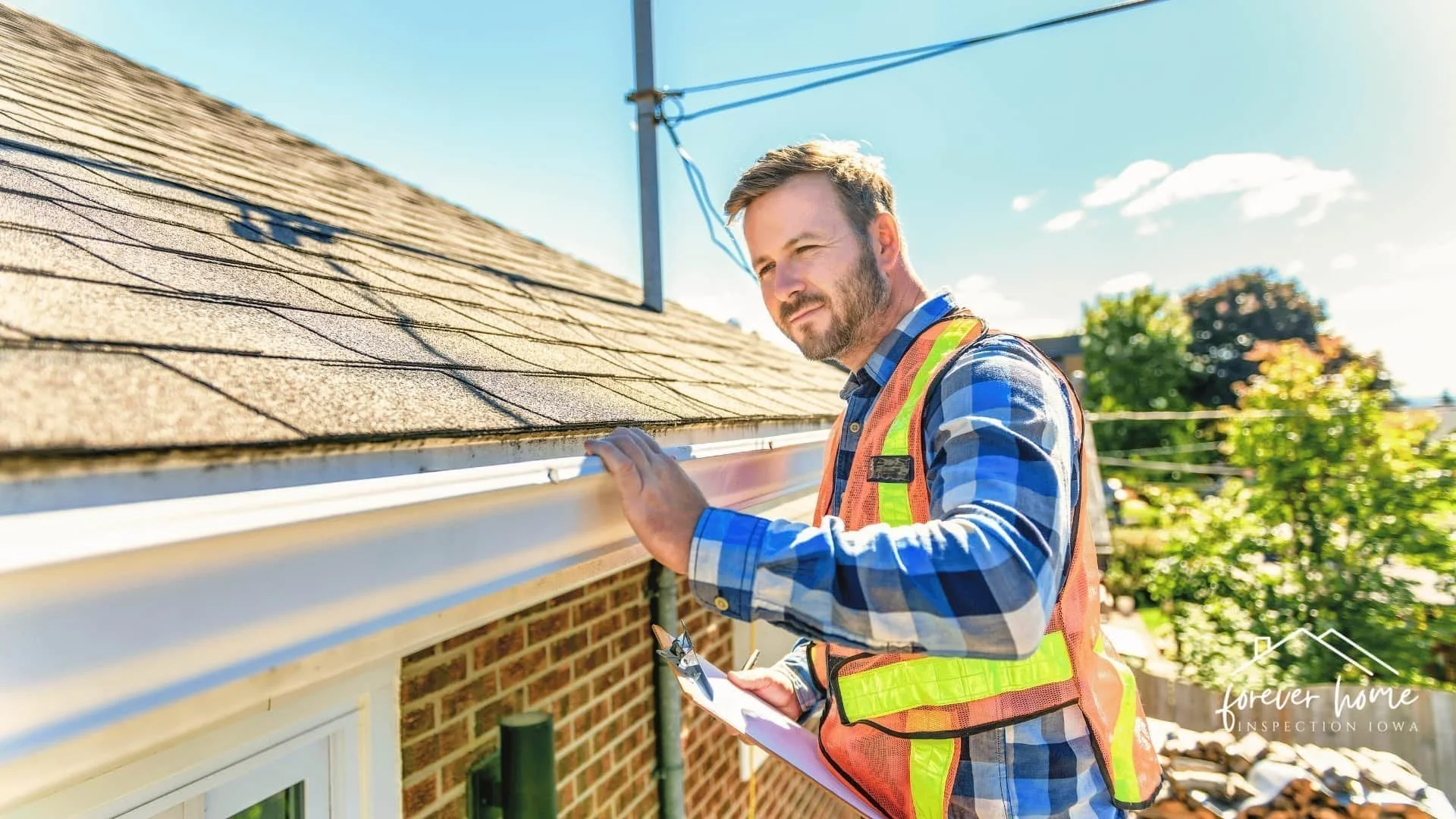
Roofs and water management are often treated as mandatory because active leaks can destroy interiors and signal ongoing water damage. Common inspection issues include roofing damage such as broken shingles and leaks, which can lead to further home damage if not addressed.
Typical roof problems requiring attention:
Missing shingles covering more than 2 squares
Soft or sagging roof decking with moisture content above 20%
Evidence of current leaks shown by water stains in ceilings
Flashing failures around chimneys, skylights, or penetrations
Exterior issues that often must be fixed include rotted trim or siding allowing water intrusion, missing or damaged gutters directing water toward the foundation, and unsafe or crumbling masonry steps.
Roof repair typically costs anywhere from $400 to $2,000, while a roof replacement can cost between $6,000 and $15,000. Lenders commonly require resolution of active leaks before closing, often verified with a repair invoice and re-inspection. Insurance carriers may surcharge 20-50% for homes with leak histories.

Plumbing, Sewage, and Water Supply Problems
Water supply, waste removal, and functional home’s plumbing are basic habitability requirements, especially under FHA and VA standards. Lenders frequently require repairs for significant plumbing issues, such as main sewer line failures and major active leaks.
Likely mandatory plumbing fixes include:
Active supply line leaks (drips waste approximately 3,000 gallons per year)
Failed water heater units unable to produce hot water above 120°F
Non-functioning toilets or main drains with clogs exceeding 2-inch diameter
Evidence of raw sewage backups creating health problems
Severe corrosion on main water lines (galvanized pipes over 40 years old), burst pipes from winter freezes, and failing septic system issues affect approximately 25% of U.S. homes. Plumbing repairs can cost anywhere from a few hundred dollars to several thousand dollars, depending on the extent of the damage.
Lenders insist on proof that the home has safe, potable water and properly functioning sewage disposal. Use licensed plumbers or septic specialists, and maintain documentation including receipts, permits, and photos for closing packages.
Environmental and Health Hazards
Certain health hazards quickly move into the “must resolve” category for safety, lender, or regulatory reasons. Environmental hazards, including the presence of asbestos, radon, and lead paint, require specialized inspections and can pose serious health risks if not addressed.
Professional remediation is usually required for environmental dangers such as fungus/mildew, asbestos, and lead-based paint. General home inspectors may only note “possible” concerns and recommend specialized testing.
While not every environmental note is legally mandatory, elevated radon results, active growth from plumbing or roof leaks, and flaking lead paint often must be handled for FHA loans and VA loans before occupancy is permitted.
Loan-Specific Mandatory Repairs (FHA, VA, and Conventional)
Different mortgage programs in 2026 have different property standards. Understanding your loan type helps predict which repair costs you’ll face.
FHA Loans: For FHA loans, the home must meet HUD’s Minimum Property Standards, which include addressing issues like peeling paint, electrical systems problems, and structural integrity before closing. HUD data from 2025 shows approximately 15-20% of FHA appraisals condition loans on such fixes.
VA Loans: These enforce Minimum Property Requirements including adequate heating capable of maintaining 68°F, no evidence of pest damage, reliable sewage disposal, and mechanical systems in working order. VA Circulars updated in 2024-2026 emphasize pest-free conditions and prohibit knob-and-tube wiring.
Conventional Loans: Generally more flexible, but appraisers still flag serious safety or structural issues. 2026 appraisal software integrates automated risk scoring that delays 10-15% of closings without proper documentation.
Common non-functional systems that can lead to financing issues include HVAC systems, especially in cold climates. The cost of HVAC repair can vary from a few hundred to a few thousand dollars, and replacing a dated HVAC system can cost between $5,000 and $12,500.
Consult your real estate agent as soon as the inspection report arrives to flag items required by your specific loan program.
Repairs That Typically Are Not Required After a Home Inspection
Many inspection notes are purely cosmetic issues and not required by any law or lender. ASHI surveys indicate non-required repairs dominate reports at 60-70% of all findings.
Examples of non-mandatory items:
Interior paint scuffs and minor repairs to walls
Worn but functional flooring (carpet over 10 years old but serviceable)
Dated light fixtures and cooling elements
Minor drywall cracks under 1/16 inch
Normal wear on countertops, cabinets, or appliances
Many purchase agreements explicitly limit repair requests to structural defects, requirement-related safety issues, or major issues affecting habitability. Buyers can still ask for cosmetic repairs, but sellers commonly refuse them.
In a competitive seller’s market, buyers may choose to waive their right to request repairs after a home inspection to make their offer more appealing to sellers. Focus negotiation energy on what truly affects safety or property value, not annoyances.
Repairs That Are Negotiable After a Home Inspection
The gray area contains items not strictly required by law or lender but serious enough that buyers often expect help. Market conditions heavily influence what’s negotiable.
Negotiable issues include:
Aging but functional air conditioning and HVAC systems (efficiency below 80% AFUE but operational)
Older roofs with 5-10 years remaining life but no active leaks
Drafty windows that are operable but have poor U-factors
Marginally safe decks with railings between 34-38 inches high
In a buyer’s market with slower sales, sellers may agree to more repairs or credits. In seller’s markets with homes moving quickly, buyers may accept more as-is.
The cost of pest control can vary widely depending on the type of pest and extent of the infestation, with cockroach extermination typically ranging from $100 to $600, while bed bug extermination can cost between $1,000 and $4,000.
Typical solutions include partial seller credits at closing costs, price reductions, or the seller fixing a subset of requested items. Document all negotiated repairs or credits precisely in a written repair addendum.
How to Prioritize and Negotiate Home Inspection Repairs
Use this framework to categorize inspection findings:
Safety and habitability (exposed wiring, gas leaks, fire hazards)
Lender-required or likely required (roof leaks, structural damage)
High-cost but non-urgent (HVAC replacement averaging $7,000)
Purely cosmetic (paint, flooring, fixtures)
Buyers should focus initial request repairs on categories 1 and 2, then selectively include category 3 items affecting long-term cost or comfort. A reasonable request focuses on what genuinely impacts market value and safety.
Sellers should review the report with their listing agent and contractor to estimate realistic costs. Decide which items to fix versus credit—sometimes sellers agree to credits to maintain control over timelines.
HVAC problems are frequently reported during home inspections, as they can pose safety risks and affect comfort in extreme weather conditions. Repair costs for major systems can reach several thousand dollars.
All agreements should specify who pays, who performs work, expected completion dates, and re-inspection rights before the sale closes.
The Repair Addendum and Re-Inspection Process
Once buyers and sellers agree on repairs after a home inspection, terms are added via a repair addendum or inspection response form. This document protects both parties.
Addendum essentials:
List each repair in concrete terms (“replace damaged GFCI outlets in kitchen” not “fix electrical issue”)
Specify contractor requirements or permit needs
Include completion deadlines
Note whether fire extinguishers or safety devices must be installed
Typical timelines:
Buyers have 5-10 days after receiving the inspection report to submit repair requests
Sellers have until an agreed date (often 7-21 days before closing) to complete repairs
Build extra time for permits and contractor scheduling
Re-inspection involves a follow-up visit where the certified home inspectors or specialists verify agreed repairs are completed. For major structural, electrical, or roofing work, buyers should consider separate verification by licensed trades—not just receipts.
What happens on the flip side if seller refuses to make repairs? They risk buyer cancellation under the inspection contingency. If required repairs aren’t completed and documented, the lender may delay or deny closing.

Home Inspectors Serving Iowa
Forever Home Inspection Iowa is a local, certified, and insured company emphasizing ethics and client care. Built on love and loyalty, we ensure every inspection is thoroughly done, which accompanies a highly detailed, digital report and warranty.
We specialize in homebuyer inspections. Primarily serving homebuyers and sellers within 60 miles of the Des Moines, Iowa area, we’re flexible and purposeful in meeting client needs.
Our team operates throughout Central Iowa, ensuring quality inspection services in areas all around the Des Moines metro.
We serve both urban and rural Iowa communities, providing top-notch inspections for both residential and commercial properties.
Our services include surrounding communities like Indianola, Granger, and others in the region.
Our commitment to comprehensive, dependable inspections extends throughout Central Iowa, ensuring all residents have access to quality inspection services.
We continually strive to meet the diverse needs of Iowan homebuyers and sellers, maintaining excellence in home inspections and helping our fellow citizens across Central Iowa make informed real estate decisions!
How to Schedule Your Home Inspection
Scheduling a home inspection with Forever Home Inspection Iowa is simple and stress-free. Book your inspection online or with a quick phone call—our responsive team makes scheduling easy, a quality our clients and real estate agents consistently appreciate.
We’re not only experts in our field, but qualifying inspections also include a free warranty, adding an extra layer of confidence to your homebuying journey. We’re confident you’ll love partnering with us.
Once scheduled, you’ll receive an email with access to your custom inspection portal, where you can review important documents and complete payment securely. Inspections typically take two to four hours, depending on the size and condition of the property. Every step of the process is designed with your convenience— and peace of mind —in mind!
Reviews From Happy Homebuyers
Frequently Asked Questions About what fixes are Mandatory After a Home Inspection
Are any repairs always legally required after a home inspection?
In most U.S. states, no automatic law forces a seller to repair every inspection item. Obligations come from the purchase agreement, loan conditions, and local requirements. Some municipalities require certain safety items like smoke detectors before transfer of ownership. Even if not legally mandated, failing to fix critical defects can cause buyers to cancel under an inspection contingency.
Can a seller refuse to make mandatory repairs?
A seller can generally refuse any repair request, but they risk the buyer canceling and the lender declining to fund the transaction. When repairs are tied to loan approval—especially FHA/VA-required items—refusal usually means the sale cannot proceed on that financing. Alternatives include credits, price changes, or escrowed funds if making repairs before closing proves difficult.
What happens if repairs are not completed before closing?
If required repairs aren’t completed and documented, the lender may delay or deny closing, especially for structural or safety issues. Some parties negotiate an escrow holdback where part of the seller’s proceeds (typically capped at 1.5-2% of proceeds) are held to guarantee post-closing repairs. Always confirm repair status through re-inspection before signing final documents.
How much time do buyers and sellers typically have to handle inspection repairs?
Timelines are contract-specific, but buyers commonly have 5-10 days from receiving the report to submit requests. Sellers usually have until 7-21 days before closing to finish repairs and provide proof. Check your contract dates and build in extra time—contractor scheduling and permits can add 2-4 weeks for electrical or structural work.
Should buyers ever waive repairs and take a credit instead?
Taking a credit instead of seller pay for repairs makes sense when buyers want control over work quality or plan renovations anyway. However, lenders may cap credits relative to closing costs and down payment. For serious safety or structural issues, be cautious about postponing—factor in the full price of repairs and urgency before accepting credits that could leave you covering several thousand dollars in work post-closing. This approach serves the buyer’s best interest when they have reliable contractors lined up.
Want More?
Check out other posts we’ve written.