should you get a Home Inspection for New Homes?
Key Takeaways
Even brand new homes built in 2024–2026 can have serious defects due to tight timelines and labor shortages, making independent inspections essential
Schedule inspections at four key points: pre-pour foundation, pre-drywall, final inspection before closing, and 11-month warranty inspection
Expect to pay $500–$900 per visit in most U.S. markets; bundled packages often save 10–20%
Book a certified home inspector early and write inspection access into your purchase contract
Why a home inspection for new homes is needed
Many homeowners assume a new build is flawless. The reality in 2024–2026 is different. Tight construction timelines, a 15% labor shortfall according to NAHB data, and rushed workmanship mean many builders are cutting corners without realizing it. Even reputable contractors can face challenges due to tight timelines, and working with skilled contractors is crucial for quality outcomes.
Some builders cut corners, leading to dissatisfied homeowners and homes with significant issues.
Common defects found in construction homes include:
Reversed hot/cold plumbing at bathroom faucets
Missing attic insulation in entire sections
Improperly supported structural beams
Inadequate foundation drainage
New construction homes are often not free from defects, and many issues may not surface until after moving in.
Municipal inspectors focus on minimum building requirements. They typically spend 15–30 minutes on site and verify safety basics, not comprehensive quality. A third-party new construction home inspection catches potential issues before concrete, insulation, or drywall hide them—when fixes cost hundreds instead of thousands.
Third-party inspections provide a deeper, independent look at the quality of new construction homes. Inspectors often uncover problems like poor wiring, improper drainage, or missing insulation during new construction home inspections.
Inspection reports create documented evidence buyers can use to require necessary repairs or negotiate credits before closing.
Key Phases of a New Construction Home Inspection
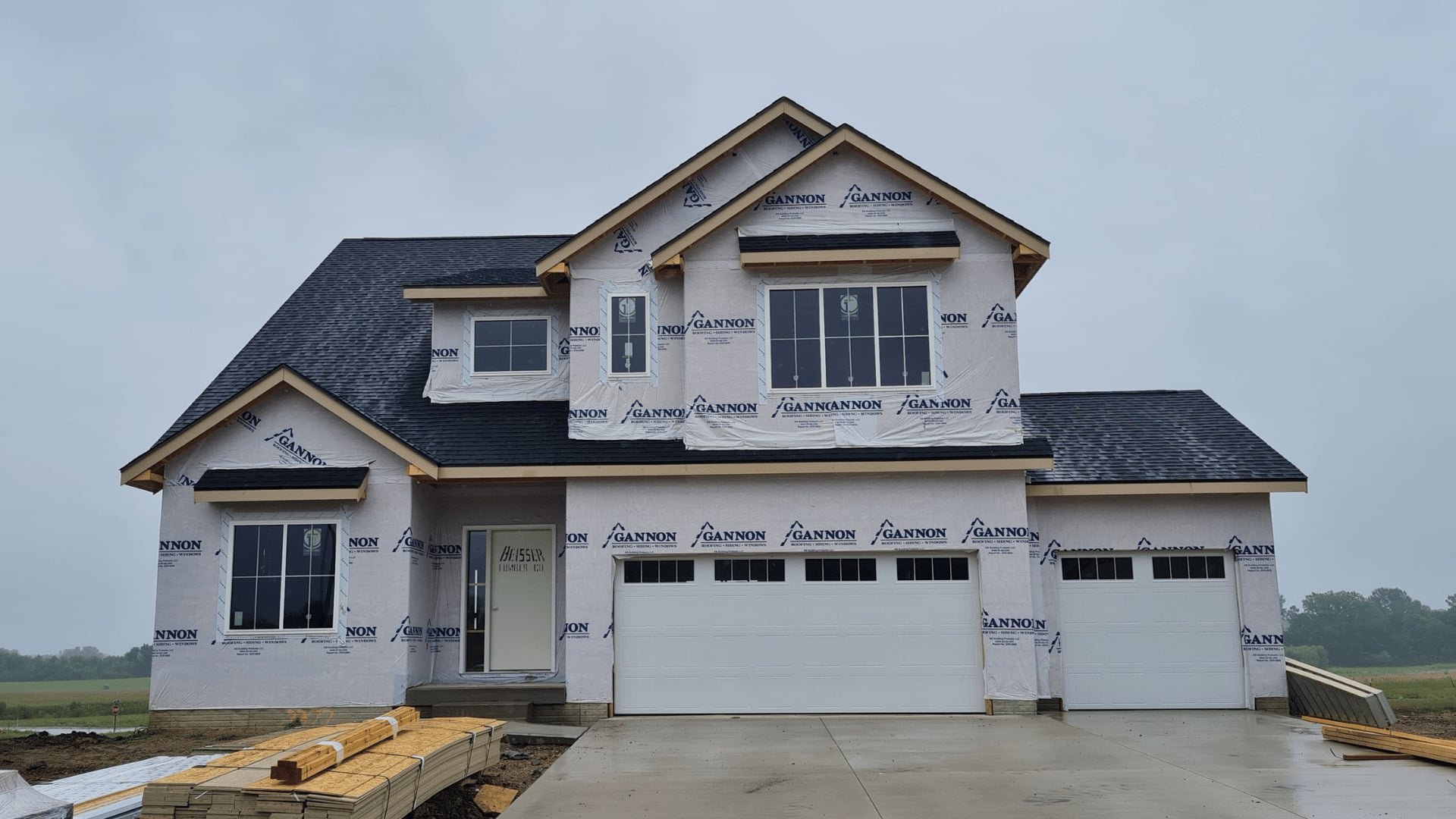
Most new construction homes benefit from 3–4 inspections from groundbreaking through the first year. The key phases are:
Pre-pour foundation inspection
Pre-drywall inspection (framing/rough-in)
Final inspection before closing
11-month warranty inspection
Some experts recommend at least two inspections—one before drywall installation and another just prior to closing—to guarantee quality and compliance.
Some builders may only allow one or two phases, so request all phases in your purchase agreement upfront. Conducting multiple inspections on new construction homes is recommended to protect against potential defects.
New construction phases inspections make certain that a home is being built properly every step of the way.
Pre-Pour Foundation Inspection
This first inspection occurs after formwork, rebar, vapor barriers, and connected pipes are in place—but before concrete is poured. The inspector evaluates:
Reinforcement bar spacing (typically 12–18 inches on-center)
Anchor bolt layout and placement
Site drainage and grading around the slab
Plumbing line security and slope
Correcting problems at this phase might cost a few hundred dollars. Foundation repairs years later? Tens of thousands. Schedule this visit as soon as the builder provides a pour date. In colder climates, inspectors also check footing depth and waterproofing details to guarantee structural integrity.
Pre-Drywall (Framing and Rough-In) Inspection
The pre-drywall inspection happens after framing, roof sheathing, windows, doors, and rough-in work for plumbing, electrical, and HVAC systems are complete—but before insulation and walls go up.
Construction inspectors examine:
Wall and roof framing connections
Fire blocking at floor and ceiling junctions
Electrical panel layout with GFCI/AFCI protection
Duct routing for hvac systems (checking for kinks)
Plumbing venting through the roof
Once drywall is installed, access to wiring, pipes, and structural elements is severely limited. This makes the pre-drywall phase one of the most valuable for catching major issues. Request annotated photos showing pipe and wire locations for future renovations.
In fast-paced subdivisions, this window may only last days—coordinate dates early.
Final Inspection Before Closing
This inspection resembles a standard resale home inspection, performed when the entire house is essentially complete. The inspector checks:
Roof shingles and exterior cladding
Windows and doors for proper installation
Plumbing fixtures for leaks
Electrical outlets for correct polarity
HVAC performance over 20–30 minute runtime
Appliance operation
Stair railings (42-inch minimum height)
Common issues in 2024–2026 builds include missing caulk at exterior penetrations, reversed polarity outlets, loose railings, and misaligned doors. The report feeds directly into the builder’s punch list before construction completion.
Schedule 7–14 days before closing so the builder has time to complete repairs.
11-Month Warranty Inspection
Most builders offer a one-year workmanship warranty. An inspection at month 10 or 11 is strategically important before the builder’s warranty expires.
Typical issues after a full heating and cooling season:
Nail pops and settlement cracks
Minor roof leaks from flashing gaps
Doors rubbing as frames settle
Grading failures causing water ponding
HVAC noises from loose components
Keep a running list of concerns—moisture spots, drafts, uneven floors—to share with your inspector. Submit findings to the builder in writing before the 12-month deadline to preserve warranty rights and avoid costly repairs later.
Municipal vs. Independent Inspections
Every new home must pass local building department inspections. However, these are not replacements for a private construction inspection.
Municipal inspections are quick, checklist-based visits at milestones like foundation, framing, and final occupancy. City inspectors verify building regulation minimums for safety and structural standards—not detailed workmanship or cosmetic quality.
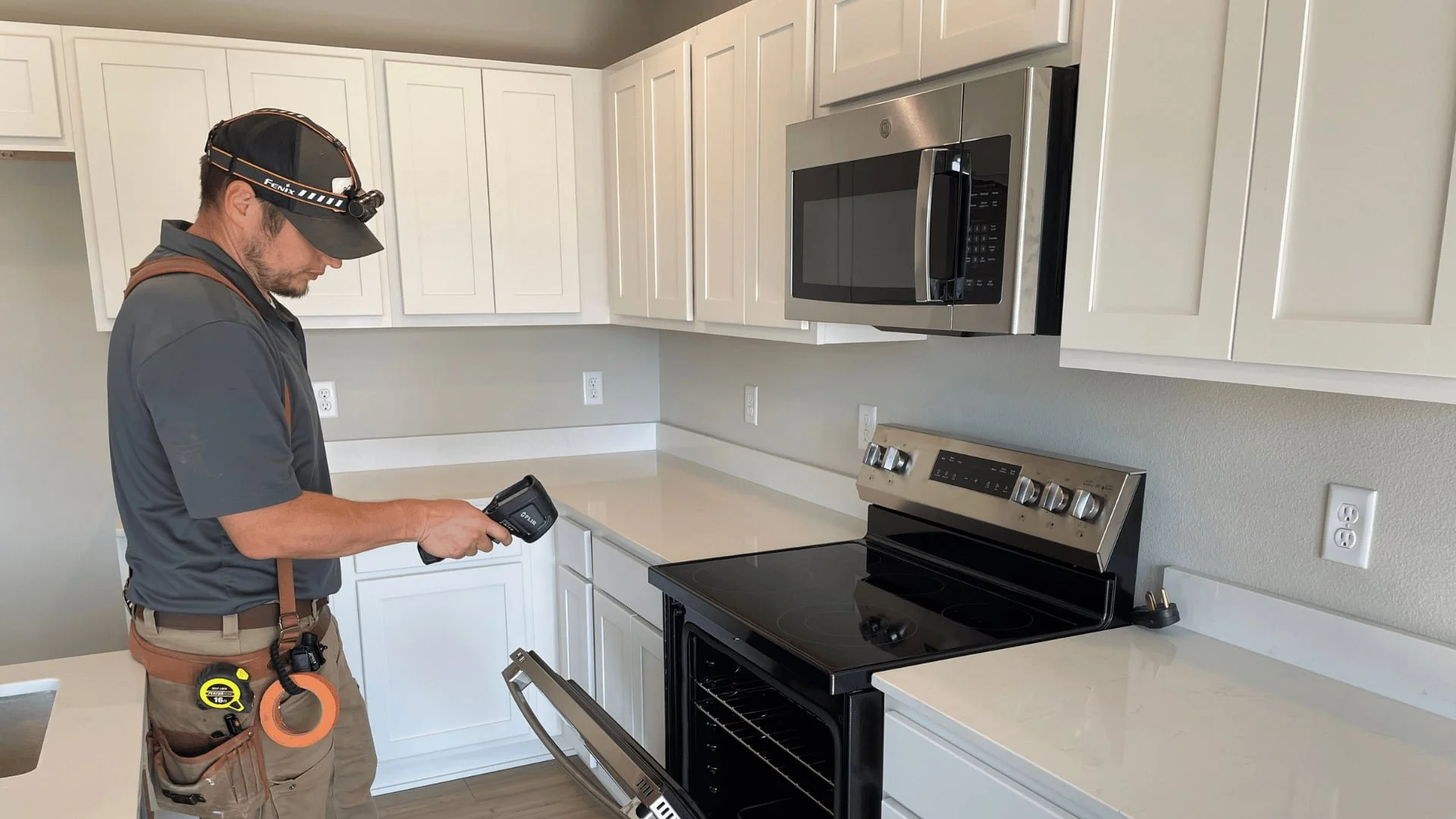
Independent inspectors spend 2–4 hours on site, provide photos and narratives, and offer a buyer-focused perspective. Confirm your purchase contract allows a certified home inspector on site during construction.
Rough-In Compliance Checks
Municipal rough-in inspections occur once framing, plumbing, electrical, and mechanical systems rough-ins are complete. Officials inspect:
Proper wire gauge for circuits
Required GFCI protection in wet areas
Plumbing vent sizing
Smoke and CO detector locations
Because inspectors may only spend 15–30 minutes on site, borderline workmanship or long-term durability issues can slip through. Treat municipal passes as baseline compliance, then rely on your private inspector to examine deeper and document anything questionable.
Third-Party and Buyer Walkthroughs
Third-party inspections are optional but strongly recommended evaluations by a certified inspector you hire. Pair these with scheduled buyer walkthroughs to discuss findings with the builder’s representative.
Bring floor plans, option sheets, and finish selections to confirm what is built matches what was ordered. Take your own photos of shutoff valve locations, main electrical panels, and attic access points. Respectful but firm communication keeps relations positive while ensuring issues get addressed.
How Much Do New Home Inspections Cost?
Costs vary by region, square footage, and complexity. For a typical 2,000–3,000 sq ft single-family property, a single-phase inspection usually costs between $500 and $900, while a bundled four-phase inspection package typically ranges from $1,500 to $2,500. Additional services—such as radon testing, thermal imaging, or sewer inspections—generally add another $100 to $300 each.
Bundled packages covering pre-pour, pre-drywall, final, and 11-month inspections typically save 15–25% compared to separate bookings. Compare what’s included—report detail, photos, re-inspections—rather than choosing solely by lowest price.
Long-Term Savings and Value
Consider this scenario: a $500 inspection catches missing attic ventilation that could lead to an $8,000 roof repair within five years. That’s a 16:1 return on your investment.
Energy-efficiency benefits also add up. Catching missing insulation or duct leaks (which can cause 20% efficiency loss) saves $300–$600 annually on utilities. Investing in energy efficiency and a home inspection for new homes can save you significant money in the long run. Documented defects give buyers leverage to obtain repairs or credits worth several times the inspection fee before closing. Identifying defects during inspections provides leverage in negotiations, allowing homebuyers to request repairs or negotiate a reduction in the final sale price. Inspections can also reveal necessary upgrades, which buyers can use to negotiate repairs or price reductions with the builder.
The total cost of inspections typically represents under 0.5% of a $400,000–$600,000 house purchase price—but protects your six-figure investment from poor build quality.
Choosing the Right Inspector for Your New Home
Not all inspectors specialize in new construction. Screen for relevant experience and look for:
ASHI or InterNACHI membership
100+ new-build inspections in the past year
E&O and liability insurance ($500k+ coverage)
Phased package offerings
Ask for sample reports. Quality reports include 50+ photos with explanations and actionable recommendations—not just checkboxes. Confirm availability aligns with builder schedules, including short-notice visits for foundation pour and framing milestones.
Questions to Ask Before Hiring
Before hiring, clarify:
Does the inspector carry errors and omissions insurance?
What’s included: roof access, attic entry, thermal imaging, appliance checks?
How long does a typical new construction inspection take for similar-sized homes?
How are findings communicated—walkthrough, phone call, written summary?
What are re-inspection fees if needed?
Get a written agreement outlining scope, exclusions, fees, and fix costs before the first visit.
How to Prepare for Each Phase of Inspection
Preparation by both buyer and builder helps each thorough inspection run smoothly:
Confirm electricity and water are on
Make sure all areas are unlocked
Maintain a log of questions from job site visits
Coordinate dates with both inspector and builder early
Have plans, change orders, and option sheets available
During and After the Inspection
Where allowed, attend the inspection to see issues firsthand. Note locations of shutoff valves, main electrical disconnect, cleanouts, and access points.
Review the written report within 24–48 hours. Send it to the builder promptly with a concise list of requested corrections and proposed deadline. Keep all reports and correspondence in a dedicated digital folder for easy reference during the first year.

Home Inspectors Serving Iowa
Forever Home Inspection Iowa is a local, certified, and insured company emphasizing ethics and client care. Built on love and loyalty, we ensure every inspection is thoroughly done, which accompanies a highly detailed, digital report and warranty.
We specialize in homebuyer inspections. Primarily serving homebuyers and sellers within 60 miles of the Des Moines, Iowa area, we’re flexible and purposeful in meeting client needs.
Our team operates throughout Central Iowa, ensuring quality inspection services in areas all around the Des Moines metro.
We serve both urban and rural Iowa communities, providing top-notch inspections for both residential and commercial properties.
Our services include surrounding communities like Waukee, and Adel, and others in the region.
Our commitment to comprehensive, dependable inspections extends throughout Central Iowa, ensuring all residents have access to quality inspection services.
We continually strive to meet the diverse needs of Iowan homebuyers and sellers, maintaining excellence in home inspections and helping our fellow citizens across Central Iowa make informed real estate decisions!
How to Schedule Your Home Inspection
Scheduling a home inspection with Forever Home Inspection Iowa is simple and stress-free. Book your inspection online or with a quick phone call—our responsive team makes scheduling easy, a quality our clients and real estate agents consistently appreciate.
We’re not only experts in our field, but qualifying inspections also include a free warranty, adding an extra layer of confidence to your homebuying journey. We’re confident you’ll love partnering with us.
Once scheduled, you’ll receive an email with access to your custom inspection portal, where you can review important documents and complete payment securely. Inspections typically take two to four hours, depending on the size and condition of the property. Every step of the process is designed with your convenience— and peace of mind —in mind!
Reviews From Happy Homebuyers
FAQs
Do I need an inspection if the builder offers a “walkthrough” before closing?
Builder walkthroughs typically last 30–60 minutes and focus on cosmetic items and orientation. The person leading it usually represents the builder, not you, and may miss 70% of defects. An independent inspection provides neutral, expert assessment far beyond a brief walkthrough.
Can the builder refuse to allow my inspector on site?
Access policies vary, but most builders allow inspections when written into the purchase contract. Raise this issue before signing and insist on language permitting third-party inspections at specific phases. Strong resistance to outside inspections may signal quality concerns.
What if my inspector finds serious defects in the new home?
Document significant issues in writing with photos and references to structural standards. Present the report to the builder and request a written correction plan before closing. For major safety or structural problems, consult your real estate agent or attorney about contract options.
Are new townhomes and condos inspected the same way?
Similar systems are inspected, but access differs in attached housing. Inspectors may have limited access to shared roofs, exterior walls, and association-controlled mechanical rooms. Review builder warranty terms and HOA documents related to common areas.
When should I book my inspector for a home scheduled to finish later this year?
Contact inspectors as soon as you sign the construction contract, even if completion is months away. Pre-pour and pre-drywall dates shift quickly. Having an inspector engaged early makes adapting easier—pencil in approximate windows based on the builder’s schedule and confirm as milestones approach.
Want More?
Check out other posts we’ve written.