
Should I Get a Sewer Scope Inspection? Is it worth it?
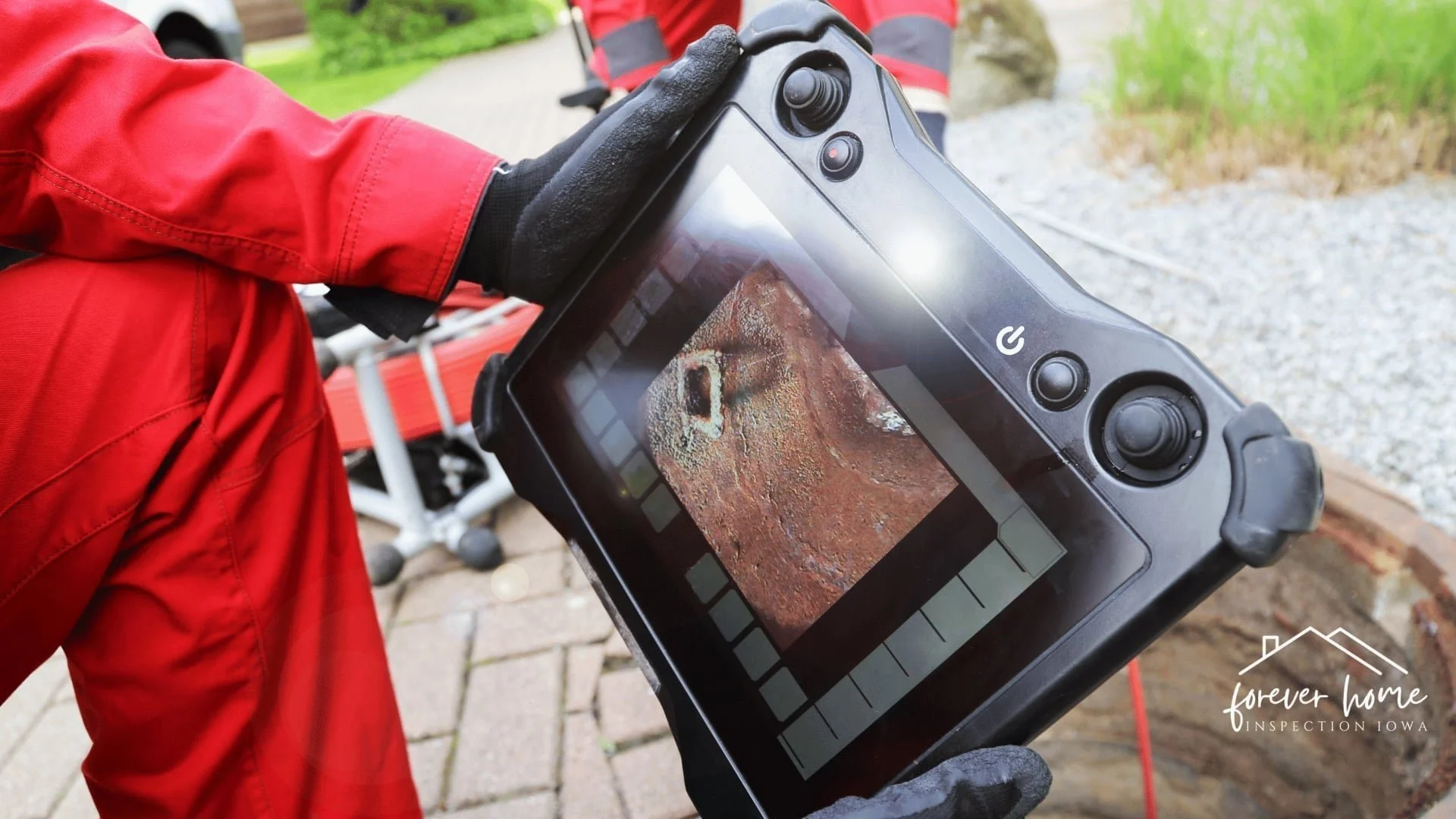
Buying a home involves dozens of decisions, but few carry as much hidden financial risk as the sewer line buried beneath the yard. A sewer scope inspection is a cost effective way to avoid costly surprises and protect your investment in your dream home. A homebuyer might wonder, “Should I get a sewer scope inspection?” A sewer scope inspection uses a camera to reveal problems you cannot see from the surface, providing cost savings by identifying hidden issues before closing the deal. Here’s what you need to know before closing on your next property. A sewer scope inspection can help homebuyers avoid costly surprises related to sewer backups and repairs after moving in.
Key Takeaways
A sewer scope inspection is strongly recommended for most homebuyers in 2026, especially for properties built before 1990 or those with large trees near the sewer path.
The inspection typically costs $150–$500, while major sewer repairs or full line replacement can run $3,000–$25,000 or more.
Problems discovered during a scope can provide negotiation leverage for repair credits or price adjustments before closing.
Even new construction and recently renovated homes can have defects from construction debris, misaligned joints, or improper slope.
Standard home inspections do not include sewer scopes—you must request this as a separate add-on service.
What Is a Sewer Scope Inspection?
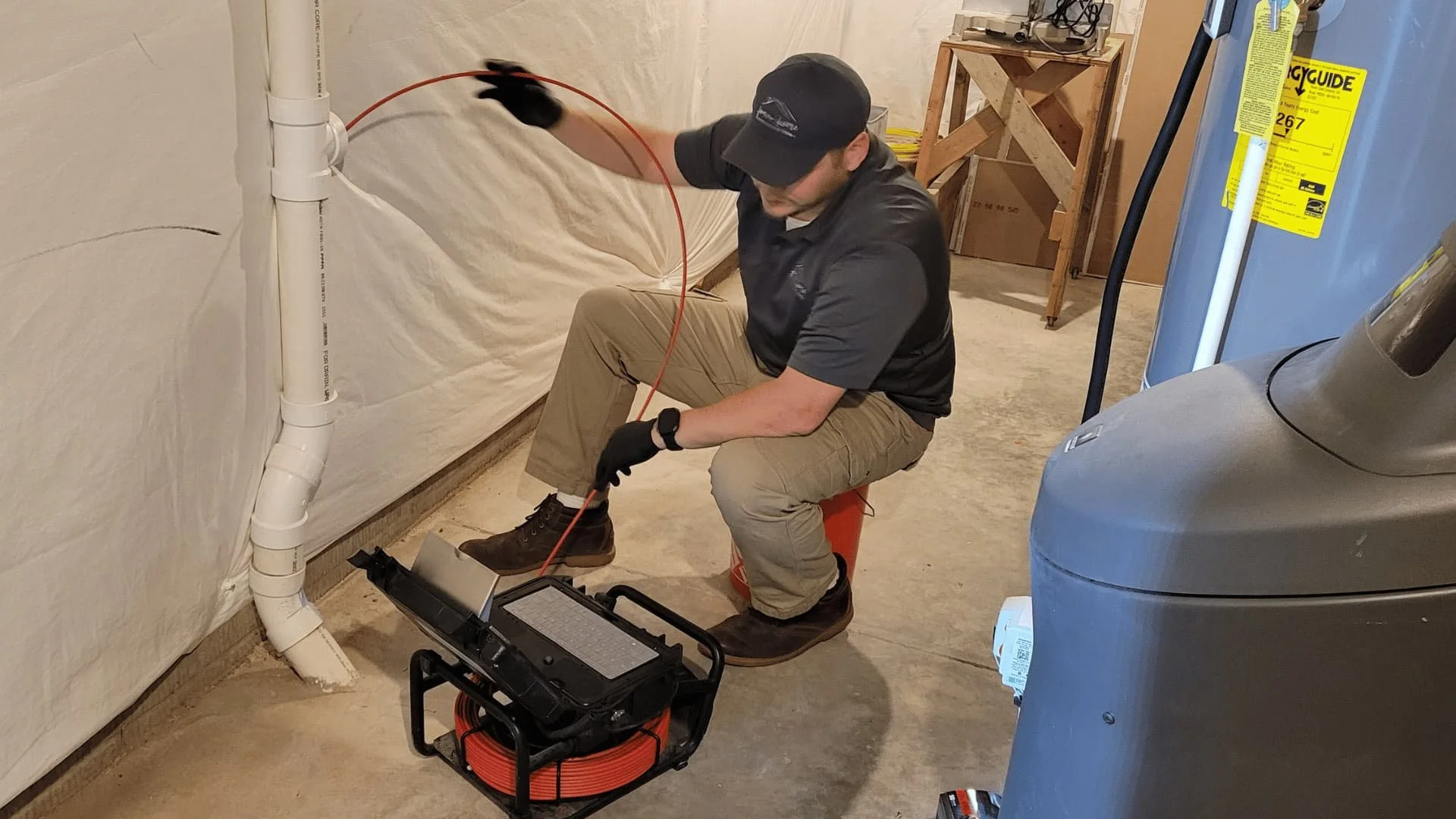
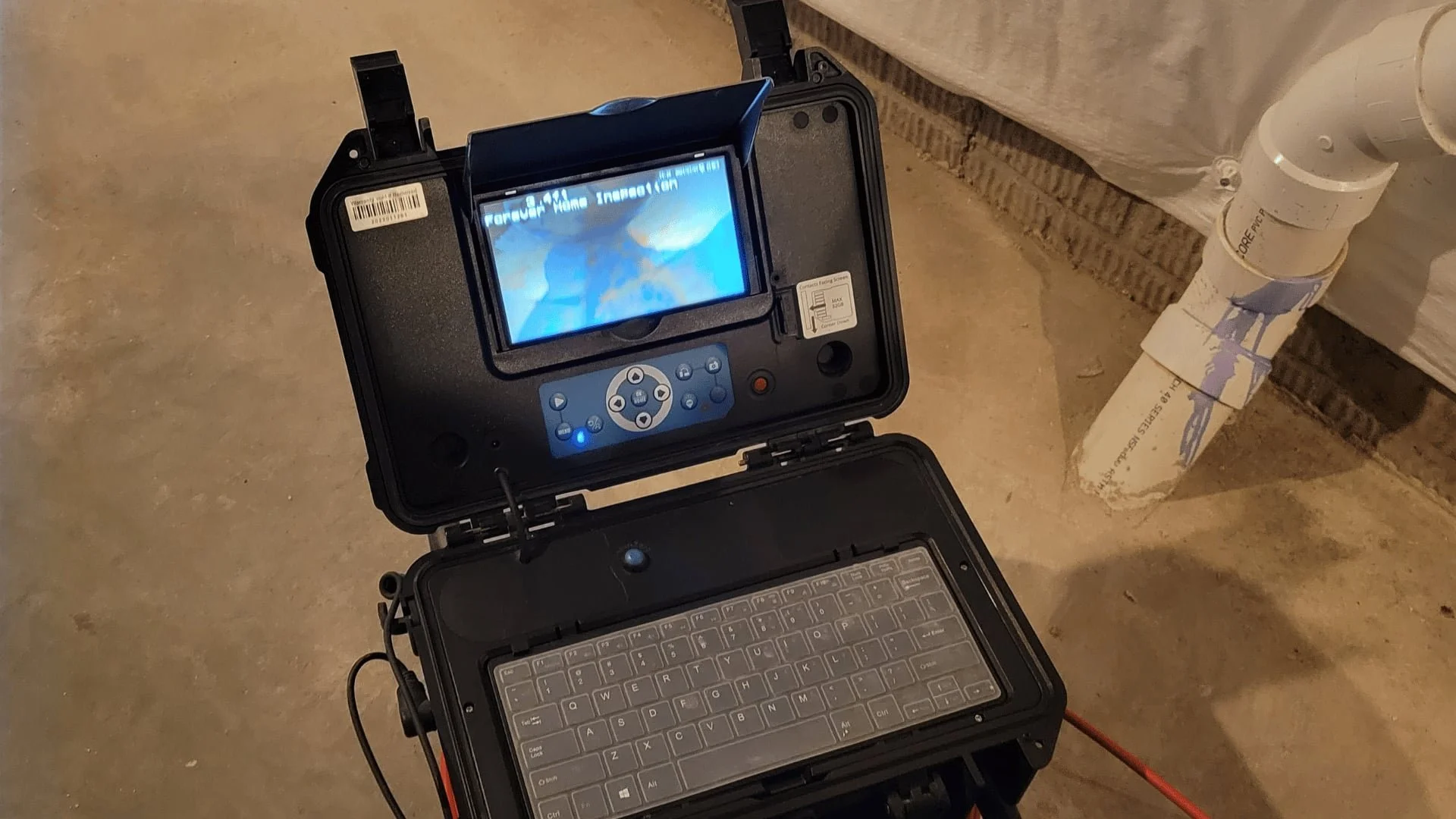
A sewer scope inspection is a video camera examination of the underground pipe that carries wastewater from your house to the municipal sewer main or septic tank. The process of a sewer inspection involves a professional inserting a small video camera through the sewer line to look for blockages, cracks, foreign objects, and other hidden issues that may not be visible during a basic inspection. A technician inserts a flexible borescope camera with a high definition camera and built-in light into the sewer pipe, transmitting real time video footage to a monitor while recording the session.
The camera typically enters through the main cleanout— an access point located near the foundation, in the basement, or garage. From there, it travels 50 to 100 feet until reaching the city connection or septic tank inlet. The inspection typically takes between 30 to 60 minutes to complete.
Common issues the camera can reveal include:
Cracks and pipe offsets from ground settling
Sags or bellies that trap debris and cause blockages
Tree root intrusion penetrating pipe joints
Corrosion in older cast iron lines
Collapsed sections or construction debris
Foreign objects such as debris or construction materials that may cause blockages
The inspector examines the video footage captured during the sewer scope inspection to identify any problems and provides a comprehensive report of the findings, including recommendations for repairs or maintenance.
A regular home inspection does not include this service. You must order a sewer line camera inspection separately. A sewer scope inspection is not a septic tank or septic system inspection; it focuses on the sewer line connecting the home to the municipal system or septic tank.
Should I Get a Sewer Scope Inspection?
A sewer scope inspection is an important step in the home buying process. In most cases, yes, a sewer scope is worth the investment when purchasing a home or after noticing warning signs in your current property.
The sewer system runs underground, completely invisible without a camera. Problems can develop for years before showing symptoms, and they never appear in a basic home inspection report. Spending a few hundred dollars on an inspection can prevent costly repairs that often reach $10,000–$25,000 for full replacement. The potential cost of sewer repairs can be significant, with full line replacements ranging from $10,000 to $40,000 depending on severity.
Real estate agents across the country now recommend sewer scopes as standard due diligence, particularly in older neighborhoods where 20–30% of pre-1980 homes reveal actionable defects during inspection.
The inspection also benefits existing homeowners planning renovations, adding bathrooms, or refinancing who want to identify potential issues before they escalate. Regular maintenance, including scheduled inspections, can provide cost savings by preventing costly repairs and ensuring the long-term reliability of your sewer system.
Risk of Structural and Property Damage
A leaking or broken sewer line does more than create plumbing headaches. Effluent washing away supporting soil can cause foundation movement of up to six inches, create sinkholes, and leave soft spots that buckle driveways.
Inside the house, consequences include sewer gas infiltration causing foul odors, recurring sewage backups flooding basements with 50–100 gallons per event, and water damage to drywall, flooring, and HVAC systems costing $5,000–$20,000 to remediate.
Consider a 1960s ranch-style home with clay tile piping. Tree roots can infiltrate sewer lines in search of water, causing significant blockages and damage that may require a fix to prevent further property damage. In this example, tree roots infiltrated unglazed joints at 45 feet, causing partial collapse. A sewer scope revealed the issue, enabling a $4,500 trenchless lining instead of $22,000 excavation that would have destroyed the front yard and sidewalk. Early detection through a scope inspection allows spot repairs or fixes before property damage spreads.
Health and Safety Concerns
Sewage leaks introduce bacteria, viruses, and fungus into crawl spaces, basements, and surrounding soil. Pathogens like E. coli, hepatitis A, and norovirus thrive in these conditions.
Sewer scope inspections can improve health and safety by identifying risks associated with leaky or backed-up sewer systems, providing peace of mind for homeowners who want to guarantee their property is safe from hidden sewer issues.
Chronic sewer gas leaks—containing hydrogen sulfide and methane—lead to rotten egg odors and, in poorly ventilated areas, respiratory irritation or persistent headaches. Families with children, older adults, or immunocompromised members face higher health risks from hidden sanitary problems.
One documented case involved a family suffering repeated rain-induced backups from a root-blocked sag. Later investigation revealed a 70% restriction that scoping could have flagged during purchase, averting $12,000 in cleanup and remediation.
6 Clear Signs You Need a Sewer Scope Inspection
While every buyer can benefit from a sewer scope inspection, certain warning signs should prompt immediate action before closing or undertaking major repairs. Slow drainage across multiple fixtures may indicate bellies or partial offsets restricting proper flow, while gurgling toilets or unusual plumbing noises often suggest air trapped by blockages in the line. Foul sewer odors inside the home or in the yard can point to gas leaks caused by cracks or separated joints. Additionally, wet or sunken patches in the lawn along the sewer path may signal effluent leakage saturating the surrounding soil. A frequent need for professional drain cleaning is another red flag, often linked to recurring root intrusion or grease buildup. Finally, backups in the lowest fixtures, such as basement drains, can indicate a collapse or major obstruction further downstream.
When deciding whether to get a sewer scope inspection, several factors should be considered, including the age of the pipes, presence of large trees, and history of plumbing issues. Visible signs suggesting a sewer line inspection include slow drainage, gurgling toilets, foul odors, or unusually lush patches of grass in the yard. Clogs and blockages can occur in sewer lines due to the accumulation of debris, grease, and other materials.
Homes built before 1970 using clay tile, cast iron, or Orangeburg piping carry elevated risk even without symptoms. These materials fail at 40–60 year lifespans. Do not rely solely on a seller’s disclosure when any of these signs are present.
How a Sewer Scope Inspection Works (Step by Step)
Most inspections take 30–60 minutes and can be scheduled alongside your general home inspection.
Arrival and setup: The technician arrives with a waterproof camera rig featuring a cable and camera head.
Locating the cleanout: The inspector finds the main cleanout.
Camera insertion: The camera enters the pipe and advances at 10–20 feet per minute.
Recording and narration: The inspector calls out depth, pipe material, slope, and any defects observed.
Report delivery: Results include a written report, still images of problem areas, and a video file.
Limitations exist. Total blockages may prevent reaching the city main (10–15% of cases). Missing cleanouts may require additional plumbing work for access.
What Does a Sewer Scope Inspection Cost in 2026?
Expect to pay approximately $150–$500, with most inspections clustering around $250–$350 in typical U.S. metro areas.
Factors affecting cost include:
Geographic location and local cost of living
Line length (longer laterals over 75 feet add $50–100)
Access difficulty (buried cleanouts require excavation)
Bundling with home inspection (often $100–200 discount)
When you compare the relatively small cost of a sewer scope inspection to typical repair expenses, the value becomes clear. Minor fixes like spot repairs or root cutting can cost anywhere from $3,000 to $8,000, while a partial dig and pipe replacement may run between $10,000 and $15,000. More extensive solutions, such as full trenchless or open-cut replacements, often range from $10,000 to $25,000 or more. On top of that, if the repair involves restoring a street or sidewalk, it can add another $10,000 to $25,000. In this context, paying for an inspection upfront is a modest investment that can help identify problems early and potentially save tens of thousands of dollars.
Ask upfront whether your quoted price includes video recording, written report, and still images. Budget for the sewer scope as part of your total inspection costs when making an offer—not as an optional afterthought.

What Happens If the Sewer Scope Finds Problems?
Discovering issues before closing gives you leverage and options. Many problems are manageable, and not every defect requires immediate action.
Common next steps include:
Sharing the video with a licensed plumber for further evaluation
Obtaining 2–3 written repair estimates
Determining whether issues are urgent or can be monitored
In real estate negotiations, you can request the seller complete repairs, ask for a closing credit, or adjust the purchase price. Some buyers walk away if major defects exist and the seller refuses to address them.
Example: A buyer purchasing a 1975 home found a pipe offset at 60 feet requiring $6,200 to repair via pipe bursting. Using the scope footage, they negotiated a $5,000 seller credit, avoiding the full out-of-pocket expense after closing.
When a Sewer Scope Inspection Is Especially Important
While every property can benefit, certain situations move a sewer scope inspection from optional to essential:
Older homes (pre-1970) with original clay, cast iron, or Orangeburg piping materials prone to deterioration
Properties with large trees in the front yard or along the sewer path, increasing odds of root intrusion
New construction where construction debris, improper grading, or misaligned joints cause early-life problems (10% defect rate documented)
Homes with repeat drain cleaning history suggesting chronic issues beneath the surface
A sewer scope inspection makes certain you understand what exists underground before it becomes your financial responsibility.
What to Look For in a Sewer Scope Provider
Not all inspectors provide the same level of detail. Choosing the right provider matters for accurate results.
Verify credentials: Look for years of experience, relevant training, and professional liability insurance
Confirm deliverables: High-quality color video, still photos, written narrative report, and approximate defect locations
Check for conflicts: If the provider also offers repairs, get independent estimates to avoid bias
Expect clear communication: Choose inspectors who explain findings in plain language and review footage with you

Home Inspectors Serving Iowa
Forever Home Inspection Iowa is a local, certified, and insured company emphasizing ethics and client care. Built on love and loyalty, we ensure every inspection is thoroughly done, which accompanies a highly detailed, digital report and warranty.
We specialize in homebuyer inspections. Primarily serving homebuyers and sellers within 60 miles of the Des Moines, Iowa area, we’re flexible and purposeful in meeting client needs.
Our team operates throughout Central Iowa, ensuring quality inspection services in areas all around the Des Moines metro.
We serve both urban and rural Iowa communities, providing top-notch inspections for both residential and commercial properties.
Our services include surrounding communities like Ankeny, and West Des Moines, and others in the region.
Our commitment to comprehensive, dependable inspections extends throughout Central Iowa, ensuring all residents have access to quality inspection services.
We continually strive to meet the diverse needs of Iowan homebuyers and sellers, maintaining excellence in home inspections and helping our fellow citizens across Central Iowa make informed real estate decisions!
How to Schedule Your Home Inspection
Scheduling a home inspection with Forever Home Inspection Iowa is simple and stress-free. Book your inspection online or with a quick phone call—our responsive team makes scheduling easy, a quality our clients and real estate agents consistently appreciate.
We’re not only experts in our field, but qualifying inspections also include a free warranty, adding an extra layer of confidence to your homebuying journey. We’re confident you’ll love partnering with us.
Once scheduled, you’ll receive an email with access to your custom inspection portal, where you can review important documents and complete payment securely. Inspections typically take two to four hours, depending on the size and condition of the property. Every step of the process is designed with your convenience— and peace of mind —in mind!
Reviews From Happy Homebuyers
FAQs
Is a sewer scope inspection included in a standard home inspection?
No. In most U.S. markets, a sewer line inspection is not part of the standard home inspection and must be ordered as a separate add-on. Ask your home inspector upfront whether they offer this service and what the additional fee looks like. If they don’t perform scopes, many will refer you to a trusted specialist.
Do I need a sewer scope inspection if the home is connected to a septic system?
The camera can inspect the lateral line between the house and the septic tank inlet, but it cannot evaluate the tank or drain field performance. For septic properties, pair a sewer scope of the lateral with a full septic inspection by a licensed septic professional.
How often should a homeowner repeat a sewer scope inspection?
Most homeowners don’t need annual scopes. Intervals of every 5–10 years are common for older homes without symptoms. Properties with known root issues or previous backups may warrant more frequent checks. A follow-up scope is also recommended after major sewer repair to confirm work was completed correctly.
Can a sewer scope inspection damage my pipes?
The inspection is non invasive. The flexible camera is designed to travel through residential sewer lines without causing damage. In severely deteriorated lines, the scope might encounter obstructions, but experienced inspectors stop if pushing further risks getting the camera stuck. Damage from the camera itself is extremely rare.
Will homeowners insurance or a home warranty cover sewer line problems found on a scope?
Many standard homeowners insurance policies exclude underground service lines, though some insurers offer optional endorsements adding limited coverage. Home warranty plans may cover specific clogs but often exclude pre-existing conditions and full replacements. Review your policy documents and speak with your insurance agent before relying on coverage for major sewer repairs.
Want More?
Check out other posts we’ve written.