
How Do I Find a Reputable Home Inspector in Des Moines?

Buying a home in Des Moines is one of the biggest financial decisions you'll ever make. Whether you're eyeing a 1950s ranch in Beaverdale or a new build in Ankeny, a thorough home inspection stands between you and potentially costly surprises. This guide walks you through exactly how to find a reputable home inspector in Des Moines, what to look for, what to avoid, and how to use your inspection report to make a confident purchase.
Key Takeaways
Start your search for Des Moines home inspectors before your offer is even accepted so you can meet Iowa's typical 7–10 day inspection contingency without scrambling.
Verify that any inspector you consider is certified by a recognized organization like InterNACHI or ASHI, carries current insurance, and can provide a detailed sample report with photos.
Read recent reviews from Des Moines homebuyers across multiple platforms, and compare at least 2–3 inspection companies before booking.
A quality home inspection in Iowa can identify foundation issues, aging systems, and environmental hazards like radon, potentially saving you thousands in unexpected repairs.
Don't rely solely on your real estate agent's recommendation. Cross-check with independent research, past client feedback, and your own phone calls to each inspector.
Why it matters to have a Reputable Home Inspector in Des Moines
In 2025–2026, Des Moines home prices and buyer competition make a thorough home inspection critical to avoid surprises that could cost serious money after closing. A home inspection identifies potential issues before purchase, giving you the data you need to make an informed decision or walk away.
Des Moines sits at the confluence of two rivers and spans a mix of older neighborhoods near the city center and rapidly growing suburbs. That means inspectors here inspect a wide range of home types and conditions in the Des Moines area, from century-old foundation walls with bowing and cracking to brand-new construction with incomplete grading. Central Iowa's clay-heavy soils are prone to shrink-swell movement, and freeze-thaw cycles cause ongoing stress on foundations, roofs, and drainage systems. Home inspections can save buyers from future repair costs that might otherwise run into the thousands.
Polk County and surrounding areas like West Des Moines, Ankeny, and Urbandale include a wide range of construction ages and styles. An inspector with real local knowledge can identify problems specific to your property's era and neighborhood. A few hundred dollars spent on a quality inspection is a small price compared to the financial commitment of a home purchase.
Start Your Search: Where to Find Home Inspectors in Des Moines
The moment your offer is accepted, the clock starts. Iowa purchase agreements typically allow 7–10 days for buyers to complete a home inspection, so you need an inspector ready to go.
Here are the best starting points:
Referrals from real estate professionals: Your Des Moines or West Des Moines agent, local lenders, and closing attorneys often know who delivers consistently. Ask for 2–3 names rather than a single "preferred" inspector.
Word-of-mouth: Friends, coworkers, or neighbors who bought a house in the area since 2023 can offer candid feedback.
Online directories: Search Google Maps for "Des Moines home inspector," or use InterNACHI's Find an Inspector tool. Look for inspectors who are members of InterNACHI, as membership indicates adherence to recognized standards.
Real estate platforms: Major listing sites sometimes include inspector ratings serving your area.
Create a shortlist of 3–5 inspectors covering Des Moines and nearby suburbs like Clive, Altoona, and Windsor Heights. Prioritize those who clearly list services, pricing, and sample reports on their site rather than bare-bones listings with no detail.
Verify Licensing, Certifications, and Insurance
Iowa's regulatory landscape for home inspectors has been evolving. Historically, Iowa does not license home inspectors under a universal state framework the way some neighboring states do. However, Iowa's home inspection law, established through Senate File 460 and signed by the governor with an effective date of July 1, 2025, established statewide qualifications for inspectors, including requirements for independent inspection reports and insurance.
Because this transition is still relatively new, buyers should confirm what professional standards their inspector meets. Here's what to verify:
Certification: Inspectors should be certified by reputable organizations such as InterNACHI or ASHI. Look for designations like Certified Professional Inspector (CPI®) or Certified Master Inspector (CMI®). Membership in professional organizations indicates adherence to a code of ethics and ongoing education requirements.
Insurance: Home inspectors should carry errors and omissions insurance and general liability insurance. Ask for proof and confirm coverage is current through 2026.
Specialized credentials: If your property needs radon testing, sewer scope work, or pest inspection, check whether the inspector holds those specific qualifications.
Get all of this in writing via email or a formal quote. Verbal assurances are not enough when you're making a purchase this significant.
Evaluate Local Experience and Iowa-Specific Knowledge
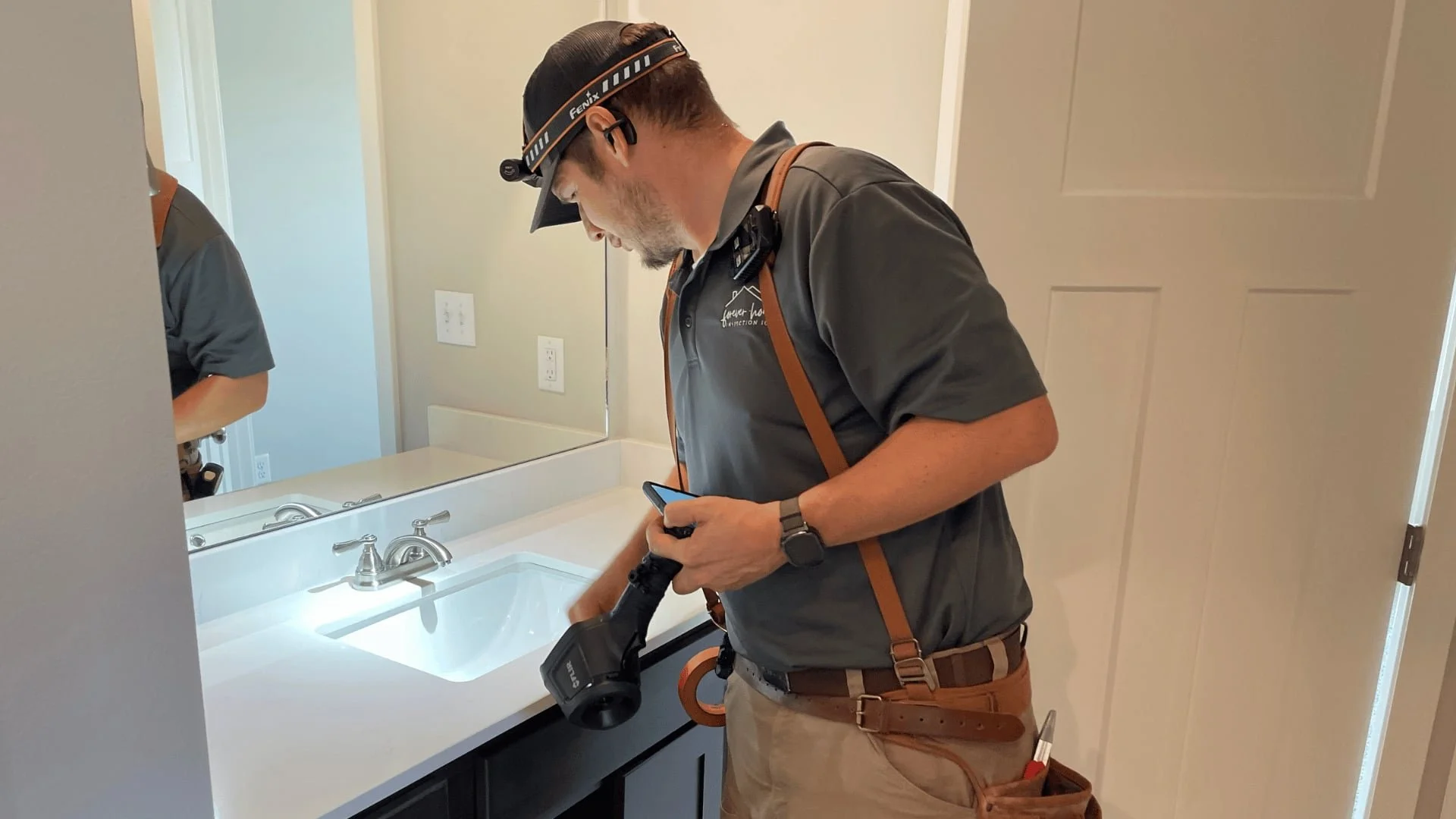
An inspector who has held a busy practice in the Des Moines metro for years will spot regional issues that an out-of-area generalist might miss. Certified inspectors conduct thorough evaluations of properties, but local experience adds a layer of knowledge that credentials alone don't provide.
Ask these questions to gauge local depth:
How many inspections have you completed in Des Moines and surrounding communities in the last 12–24 months?
Are you familiar with common issues in older neighborhoods like Sherman Hill or South Des Moines versus newer subdivisions in Waukee or Grimes?
Inspectors who regularly work in the area understand the difference between a 1950s ranch with knob-and-tube wiring and a 2020 build with modern envelope practices. Comparing an inspector based in Des Moines to one primarily serving another Iowa city like Iowa City or Cedar Rapids can highlight the value of true local familiarity with your specific area.
Read and Compare Reviews from Des Moines Homebuyers
Recent, detailed online reviews are one of the best ways to find a reputable home inspection company. Don't rely on a single platform.
Check multiple sources: Google reviews, Yelp, Facebook, and real estate sites that allow inspector ratings.
Focus on recency: Reviews from the past 12–18 months within Des Moines and nearby suburbs reflect the current team and standards.
Look for patterns: Consistent praise for thoroughness, clarity of reports, punctuality, and willingness to answer buyer questions on site are great signs. Repeated complaints about rushed inspections, poor communication, or missing items are red flags.
Be skeptical of extremes: A company with only a handful of perfect 5-star reviews and no specifics, or a pattern of very low ratings with unresolved complaints, warrants caution.
Take 15–20 minutes to scan reviews across platforms for each inspector on your shortlist. The patterns will tell you more than any single rating.
Ask the Right Questions Before You Book
A short phone call can reveal a lot about an inspector's professionalism and communication style. People who are good at this work are usually happy to answer questions clearly and patiently.
Essential questions:
What areas and systems are included in your standard home inspection?
How long does a typical inspection take for a home in Des Moines? (A thorough home inspection generally takes at least two to three hours.)
When will I receive the full written inspection report?
Can I attend the inspection and ask questions during the walkthrough?
More advanced questions:
Do you provide annotated photos, video, or maintenance recommendations in your report?
How do you handle inspecting older homes versus new construction?
Have you inspected homes in my specific neighborhood, such as the Beaverdale area?
Clear, patient answers without pushy sales tactics are signs you're dealing with a reputable professional. If an inspector seems vague or rushed on the phone, they'll likely be the same on site.
Understand What a Thorough Des Moines Home Inspection Includes
Buyers should understand what "standard" means locally so they can compare inspectors on an apple-to-apples basis.
A comprehensive home inspection includes a visual assessment of the home's major systems and components. The inspector evaluates the roof and attic by checking the condition of shingles, flashing, ventilation, and any signs of leaks. The exterior is examined for the condition of siding and trim, as well as proper grading and drainage around the home. The foundation and structure are inspected for cracks, bowing walls, settling, and evidence of moisture intrusion. The electrical system is assessed by reviewing the electrical panel, wiring, outlets, and ground-fault circuit interrupter (GFCI) protection. The plumbing system is inspected for the condition of pipes, fixtures, the water heater, and proper drainage. The HVAC system is evaluated by examining the furnace, air conditioning unit, ductwork, and thermostat. Inside the home, the inspector checks the interior components, including walls, floors, windows, doors, and stairs. Finally, the insulation and ventilation are reviewed by assessing attic insulation and ensuring bathroom exhaust fans are functioning properly.
Des Moines home inspectors check systems like plumbing and electrical as part of any standard inspection. In this area, inspectors should pay special attention to basements and crawl spaces for moisture intrusion, foundation cracking, and signs of past water damage.
Common add-on services for central Iowa:
Radon testing: radon testing is highly common and recommended in Iowa, where the average indoor level is about 6.1 pCi/L-well above the EPA action level.
Sewer scope inspections
Fungus assessments
Pest and termite checks
Reputable inspectors clearly list what is and isn't covered in writing before the inspection date, so you know exactly what you're paying for.
Review Sample Inspection Reports Before Deciding
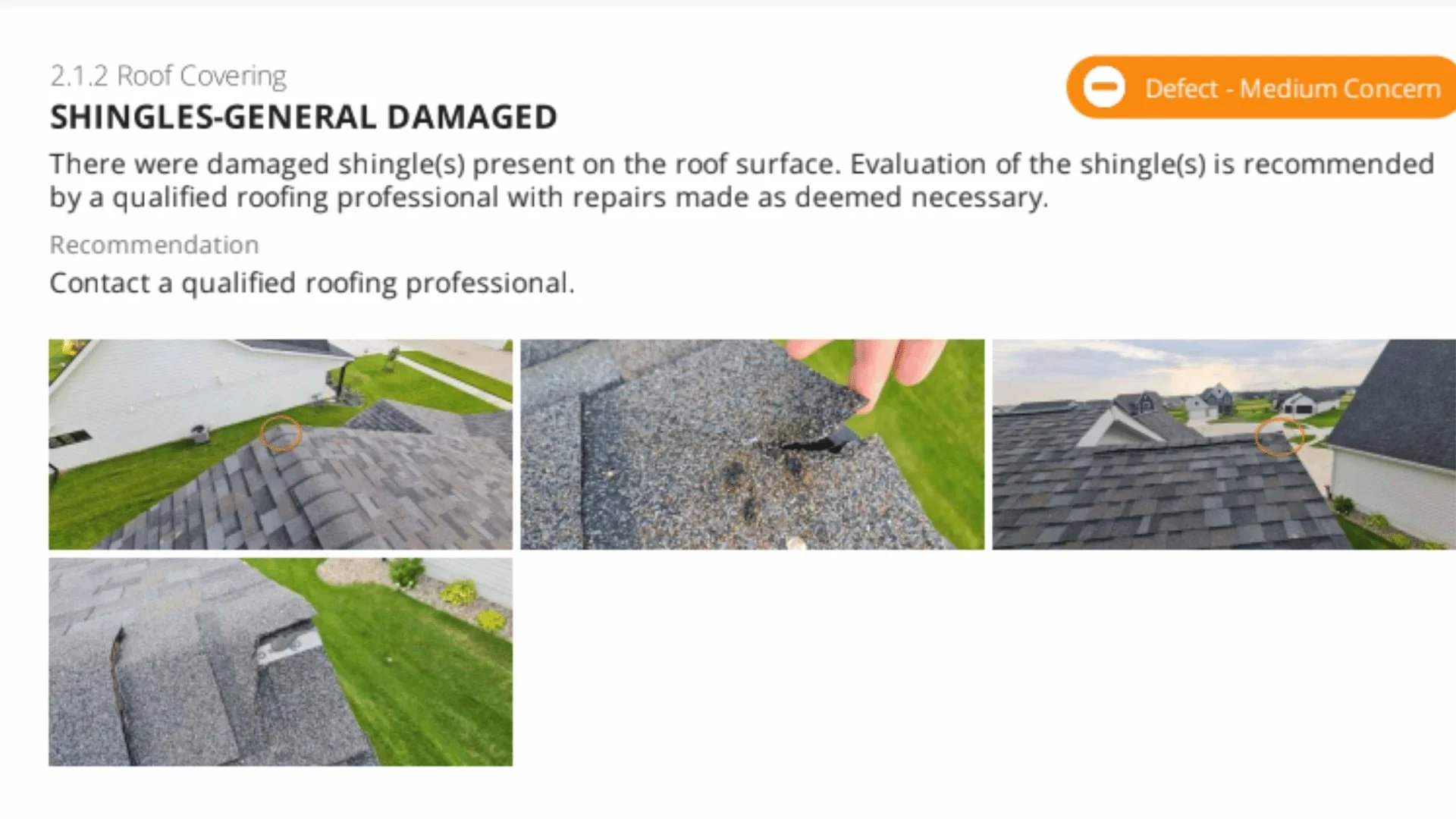
The quality of the written report matters just as much as the on-site walkthrough. A trustworthy inspector will provide a detailed electronic report that you can reference during negotiations and long after closing.
Request a redacted sample report from each inspector on your shortlist. Here's what separates strong reports from weak ones:
Strong report characteristics:
Organized by system (roof, foundation, electrical, etc.)
Labeled photos with annotations
Plain-English explanations without excessive jargon
Prioritized defect lists: safety issues, major repairs, and maintenance items
Weak report red flags:
Only a few pages long
Heavy reliance on generic checkboxes
Few or no photos
No prioritization of issues
Choose the inspector whose sample report you can easily understand even without construction knowledge. This report will be your primary tool for negotiating with the seller and planning future maintenance.
Compare Pricing Without Choosing the Cheapest Option
Buyers in Des Moines are often balancing tight budgets against the need for a complete and reliable inspection. That's understandable, but the cheapest option can end up costing you far more in missed problems.
Standard home inspections in Des Moines generally range from roughly $300 to $600 for an average-size home, with larger or older properties running higher. Add-ons like radon testing typically cost $150–$250 on top of the base fee.
Here's how to evaluate value instead of just price:
Get written quotes from at least 2–3 inspectors for a typical 3-bedroom home, including any add-ons you plan to request.
Low prices may indicate a rushed inspection or less comprehensive report. If a quote comes in well below the local range, ask what's included.
Evaluate time spent on site, tools used (thermal imaging, moisture meters), report depth, and post-inspection support.
Ask about extra fees for older homes, larger square footage, detached structures, or outlying areas like Indianola or Grimes. You don't want surprise charges after the fact.
Think of costing out your inspection the same way you'd evaluate any major service-thoroughness and credentials matter more than finding the absolute lowest number.
Check Availability and Timing Around Your Purchase Agreement
Des Moines purchase contracts set tight inspection contingency deadlines, so scheduling is not something you can afford to procrastinate on.
Contact inspectors as soon as your offer is accepted. In busy months like June and July, reputable inspectors may book 3–5 business days out.
Ask how quickly they deliver final reports. Same-day or next-business-day delivery is ideal when you're negotiating repairs or credits under a deadline.
Confirm whether the inspector works Saturdays or evenings, which can be essential for individuals with demanding work schedules.
Coordinate the inspection date with your agent and the seller to get access to all areas, including garages, attics, and outbuildings. Make sure the reservation on your inspector's calendar is confirmed in writing.
Having a shortlist ready before you even make an offer puts you in a much stronger position to act quickly.
Red Flags: Signs an Inspector May Not Be Reputable
Knowing what to avoid is just as important as knowing what to look for. Here are warning signs that should make you move forward to the next candidate:
No proof of insurance or certifications: If an inspector can't or won't provide documentation, walk away.
No written agreement: A reputable inspector always provides a clear scope of services in writing before inspection day.
Conflicts of interest: Inspectors who offer to perform repairs on items they find have a financial incentive to flag problems they can profit from. This is a major red flag.
Communication problems: Slow responses, vague answers to direct questions, or refusal to let you attend the inspection.
Review patterns: Many unresolved negative reviews from local Des Moines clients, a history of no-shows, or inconsistent quality mentioned repeatedly.
If something feels off during your initial contact, trust your instincts. There are plenty of qualified inspectors in the metro.
Working with Your Real Estate Agent While Staying Independent
Most buyers in Des Moines find their first inspector recommendations through their real estate agent, and that's perfectly fine as a starting point. Agents often know which inspectors are reliable, communicative, and consistently deliver quality work.
However, the inspector works for the buyer, not the agent or the seller. Keep these principles in mind:
Ask your agent for 2–3 names rather than accepting a single recommendation without question.
Perform your own checks on credentials, reviews, and sample reports for each name provided.
Share your specific concerns-older home, first purchase, fixer-upper-so your agent can tailor their recommendations accordingly.
Remember that a reputable inspector should feel comfortable giving candid, unbiased feedback even if it means delivering news that complicates the deal.
Real estate professionals can be a great resource in this process, but independent verification is what protects your interests.
Special Considerations for First-Time Homebuyers
If you're a first-time buyer in Des Moines-whether you're a recent graduate, one of the many students transitioning from the university area into homeownership, or simply buying your first property-the inspection process can feel overwhelming. You're not alone, and the right inspector will make it manageable.
Here's what to prioritize:
Choose an inspector who is willing to spend extra time explaining basic home systems, maintenance tips, and realistic repair timelines.
Ask whether you can walk through the home with the inspector for a verbal summary at the end of the inspection.
Bring a notebook or use your phone to take notes. Focus questions on safety issues, major costs you might face in the first five years, and which repairs are DIY versus professional.
Some inspectors offer post-inspection phone consultations to clarify items once you've had time to rest and review the full report. This is a sign of genuine commitment to helping you understand your future home.
When You Might Look Beyond Des Moines for a Home Inspector
While local experience is ideal, there are scenarios where you might need to look beyond the immediate metro:
Limited availability: During peak seasons, Des Moines inspectors may be fully booked. An inspector from Ames, Indianola, or even Iowa City who regularly serves central Iowa could fill the gap.
Unique property types: Rural acreage outside Polk County, older farmhouses near forest land, or small multifamily buildings may require specialized expertise not every local inspector offers.
Travel fees: Inspectors from outside the immediate area may charge a travel surcharge. Weigh that extra cost against the benefit of their specialized knowledge.
Even out-of-town inspectors should demonstrate clear familiarity with Iowa regulations, soil conditions, radon risk, and the climate impacts that affect every property in this part of the world.
How to Prepare Your Des Moines Home (or Future Home) for Inspection
Good preparation helps the inspector access everything and produce a complete report. Whether the home is currently owned by the seller or vacant, preparation matters.
For buyers of occupied homes:
Work through your agent to request that sellers clear access to utilities, attic hatches, crawl spaces, and the electrical panel.
Ask the seller to unlock any outbuildings, sheds, or detached garages.
For sellers preparing for pre-listing inspections:
Move stored items away from foundation walls so the inspector can see the full condition of the basement.
Replace burned-out bulbs so the inspector doesn't flag electrical unknowns.
In winter months, clear sidewalks and driveways of snow and ice for safe exterior access.
Buyers should bring a copy of the listing and any seller disclosure forms to compare with what the inspector finds. This department of your due diligence often reveals discrepancies worth discussing.
Making Sense of the Report and Next Steps After Inspection
A good inspection report is a decision-making tool, not a pass/fail grade for the home. When your report arrives, here's how to use it:
Focus on safety issues first: Gas leaks, electrical hazards, structural concerns, and water intrusion are the highest-priority items.
Review major system defects: Roof end-of-life, furnace condition, plumbing problems, and foundation movement all carry significant repair costs.
Use it for negotiation: Inspection reports help in negotiating property prices. Buyers in Des Moines typically use findings to request repairs, seller credits, or price adjustments.
Schedule a follow-up call: If the inspector offers a post-inspection consultation, take advantage of it. They can help you prioritize repairs and clarify technical language.
Keep it as a maintenance guide: Even if no major issues surface, your report serves as a long-term checklist for the first years of homeownership.
Home inspection reports help in negotiating property prices effectively, but they also give you a roadmap for maintaining your property well into the future.
Differences Between a Home Inspection and Other Evaluations
A standard home inspection is only one part of the due diligence process in an Iowa real estate transaction and should be considered alongside other specialized evaluations. A general home inspection primarily serves the buyer by providing a visual assessment of the home's major systems and components. When significant structural concerns are suspected, a structural engineer's report offers a more detailed analysis of the foundation or structural integrity. A roof-only inspection may be requested by a buyer or an insurance company to evaluate the roof's condition and estimate its remaining service life. A sewer scope inspection benefits the buyer by using a camera to examine the condition of underground sewer lines for blockages or damage. Radon testing measures indoor radon gas levels to identify potential health risks, while an appraisal, conducted for the lender, determines the property's market value rather than evaluating its physical condition. Together, these evaluations provide a more complete understanding of a property's condition, safety, and value before closing.
A typical inspection includes checks of plumbing and electrical systems, but it won't involve opening walls or performing engineering calculations. Lender-required appraisals are not the same as home inspections-the appraiser works for the lender, while the inspector works for the buyer.
Ask your Des Moines inspector which additional services they recommend based on the property's age, location, and condition. In news from the industry, more buyers are bundling radon and sewer scope with their standard inspection for a more complete picture.
Long-Term Relationship: Using Your Inspector as a Home Resource
A reputable home inspector can remain a helpful contact long after you close on your Des Moines home. The best inspectors are happy to live up to the relationship they've built with clients.
Ask whether the inspector is open to future questions by email or phone when repair questions arise.
Some inspectors offer annual or pre-renovation inspections to help owners plan projects and identify emerging problems.
Keep your inspector's report and contact information alongside manuals, warranties, and other home records.
Building a relationship with a trusted inspector is especially valuable for first-time buyers and owners of older properties. Think of them as a hub of knowledge about your home's condition that you can return to whenever you need an answer.

Home Inspectors Serving Iowa
Forever Home Inspection Iowa is a local, certified, and insured company emphasizing ethics and client care. Built on love and loyalty, we ensure every inspection is thoroughly done, which accompanies a highly detailed, digital report and warranty.
We specialize in homebuyer inspections. Primarily serving homebuyers and sellers within 60 miles of the Des Moines, Iowa area, we’re flexible and purposeful in meeting client needs.
Our team operates throughout Central Iowa, ensuring quality inspection services in areas all around the Des Moines metro.
We serve both urban and rural Iowa communities, providing top-notch inspections for both residential and commercial properties.
Our services include surrounding communities like Grimes, Urbandale, and others in the region.
Our commitment to comprehensive, dependable inspections extends throughout Central Iowa, ensuring all residents have access to quality inspection services.
We continually strive to meet the diverse needs of Iowan homebuyers and sellers, maintaining excellence in home inspections and helping our fellow citizens across Central Iowa make informed real estate decisions!
How to Schedule Your Home Inspection
Scheduling a home inspection with Forever Home Inspection Iowa is simple and stress-free. Book your inspection online or with a quick phone call— our responsive team makes scheduling easy, a quality our clients and real estate agents consistently appreciate.
We’re not only experts in our field, but qualifying inspections also include a free warranty, adding an extra layer of confidence to your homebuying journey. We’re confident you’ll love partnering with us.
Once scheduled, you’ll receive an email with access to your custom inspection portal, where you can review important documents and complete payment securely. Inspections typically take two to four hours, depending on the size and condition of the property. Every step of the process is designed with your convenience— and peace of mind —in mind!
Reviews From Happy Homebuyers
Frequently Asked Questions About Finding a reputable Home Inspector in Des Moines
How far in advance should I book a home inspection in Des Moines?
Once your offer is accepted, you usually have 7–10 days to complete a home inspection under standard Iowa purchase agreements. Contact inspectors immediately-don't wait even a day. During busy spring and summer months, reputable inspectors may book several days out, so having a shortlist ready before making an offer is a smart move. For pre-listing inspections, sellers should schedule 1–2 weeks in advance to allow time for any repairs before going on the market.
Can I attend the home inspection, and how long does it take?
Buyers are strongly encouraged to attend the inspection. It's a key opportunity to learn about the house directly from the inspector and ask questions in real time. A typical inspection for a 1,800–2,200 square-foot single-family home usually takes 2.5–3.5 hours, depending on the home's age and condition. At minimum, clear your schedule to be present for the final walkthrough and summary.
Do I need a separate radon test in central Iowa?
Yes. Iowa is known to have some of the highest average radon levels in the United States, with over 70% of homes testing above the EPA action level of 4.0 pCi/L. Radon testing is highly common and recommended in Iowa, and results can directly influence your negotiations. Many Des Moines inspectors offer radon testing as an add-on, or you can hire a certified radon measurement provider separately.
How much does a home inspection typically cost in Des Moines?
Inspections for average-size homes in Des Moines generally fall in the range of $400 to $600, with fees increasing for larger or older homes. Radon tests, sewer scopes, and other specialty inspections are priced separately and can add $150–$500 or more. While cost matters, prioritize thoroughness, credentials, and report quality over choosing the cheapest option.
Should I get a home inspection for new construction in the Des Moines area?
Absolutely. Even brand-new homes in suburbs like Waukee, Ankeny, and Grimes can have construction defects, incomplete grading, or HVAC issues. Certified inspectors conduct thorough evaluations of properties regardless of age. Consider independent inspections at key stages-a pre-drywall inspection and a final walk through before closing. A reputable inspector can help you address issues with the builder while under warranty before you move in, giving you peace of mind as you look forward to life in your new home.
Want More?
Check out other posts we’ve written.