Home Inspector Iowa: Trusted Home Inspections in Des Moines
Key Takeaways
Certified home inspectors in Iowa provide unbiased, detailed home inspection services for buyers, sellers, and investors across Des Moines, Cedar Rapids, Iowa City, and surrounding communities.
A standard inspection covers roof, foundation, HVAC, electrical, plumbing, exterior, and interior systems-plus Iowa-specific concerns like basement moisture and radon.
Iowa implemented new regulations for home inspectors on July 1, 2025, under the Home Inspection Accountability Act, raising qualification standards statewide.
Thorough home inspections on any new home or existing property help clients avoid expensive surprises and negotiate with confidence.
Iowa has high levels of radon, necessitating radon testing during nearly every home inspection in the state.
Introduction to Home Inspections in Iowa
A home inspection is a systematic, visual evaluation of a residential property's major components-everything from the roof and foundation to the plumbing and electrical systems. In the Iowa real estate industry, where freeze–thaw cycles stress foundations, hailstorms damage roofing, and basement moisture is common, this process is not optional. It's essential. Home inspections provide peace of mind during the buying process by surfacing problems before they become your responsibility.
Iowa buyers, especially around Des Moines and Central Iowa, expect a professional inspection before closing on a property. A home inspection in Iowa documents visible defects, safety hazards, and maintenance items in a detailed inspection report-giving homebuyers, sellers, and real estate professionals the knowledge they need to move forward with confidence. Whether you're purchasing your first house or adding to an investment portfolio, working with certified home inspectors in Des Moines or anywhere in the state protects your money and your family.
Our Iowa Home Inspection Service Area
Our inspection services focus on Central Iowa, with Des Moines as a core hub. The team regularly serves clients across the metro and beyond.
Primary service cities and regions include:
Des Moines, West Des Moines, Ankeny, Altoona, Waukee, Urbandale, and nearby suburbs
Most appointments are accepted within about a 60–90 minute drive of Des Moines, with flexibility for rural properties where travel fees may apply.
Why Choose a Certified Home Inspector in Iowa?
Hiring a trained, insured, and certified inspector is fundamentally different from a casual walk-through with a handy friend. Inspectors in Iowa must meet specific qualification standards under the Home Inspection Accountability Act, which took effect in 2025 and formalized requirements across the state.
Here's what separates certified inspectors from the rest:
Iowa home inspectors must be certified by InterNACHI, a leading home inspection association in Iowa, or hold equivalent nationally recognized credentials such as ASHI.
Inspectors must adhere to a code of conduct and continuing education requirements, keeping their expertise current with evolving building standards.
Inspectors in Iowa cannot perform repairs on properties they have inspected within the previous 12 months, and they must guarantee no conflicts of interest during inspections.
Home inspectors must maintain errors and omissions and general liability insurance in Iowa. They should also verify they carry professional liability insurance to protect both themselves and their clients.
Certified Professional Inspectors have completed over 1,500 inspections, demonstrating the thoroughness and expertise that come from sustained field experience.
Reputable Iowa inspection services provide clear, same-day or next-business-day digital reports with photos and straightforward language. An experienced inspection team offers honest, objective advice-never steering you toward a contractor or a particular outcome.
What Our Iowa Home Inspection Services Include
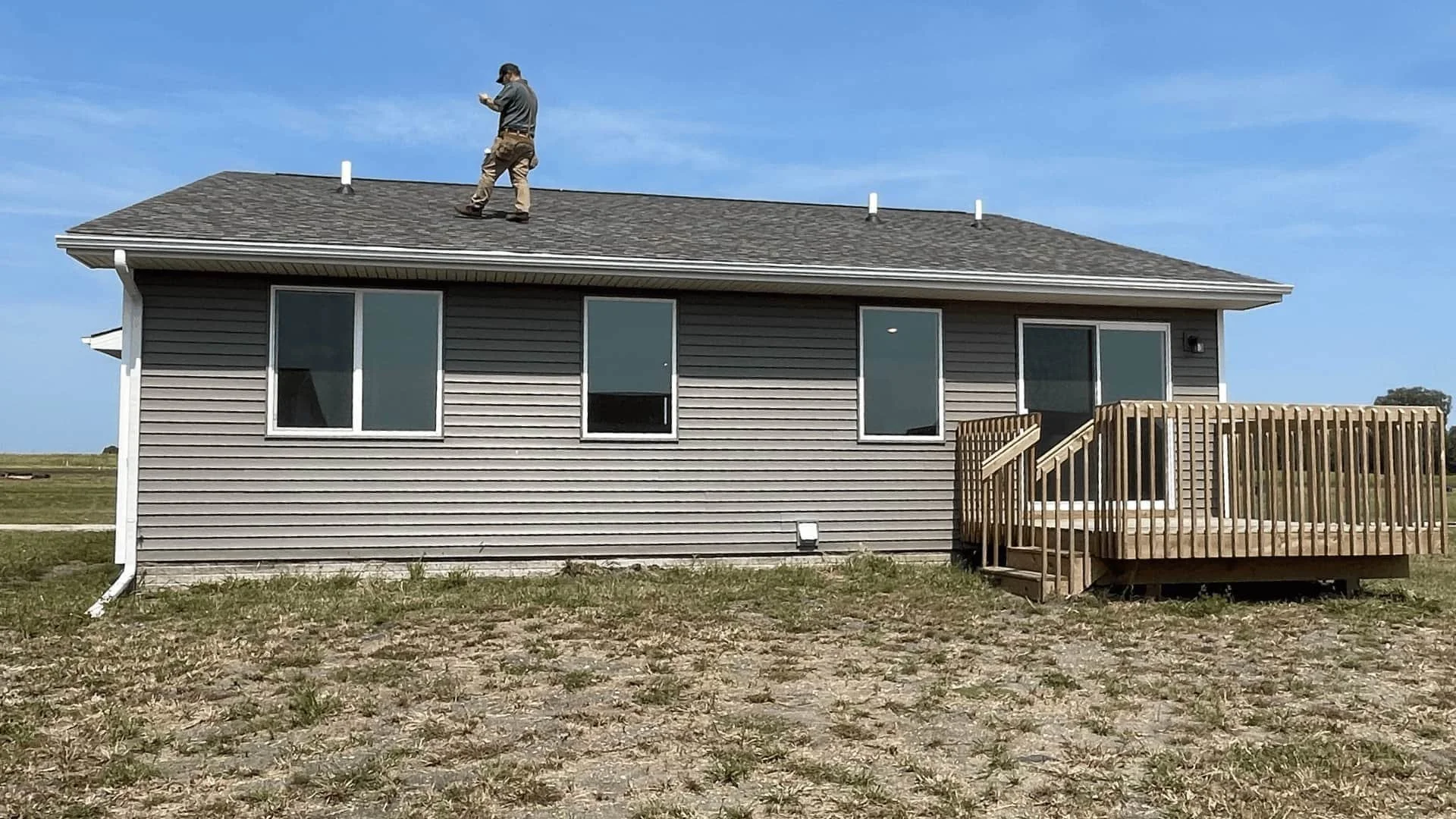
A standard home inspection in Iowa is a visual, non-invasive evaluation of major systems and components. A certified home inspector identifies potential issues early, giving you the power to determine your next steps before closing.
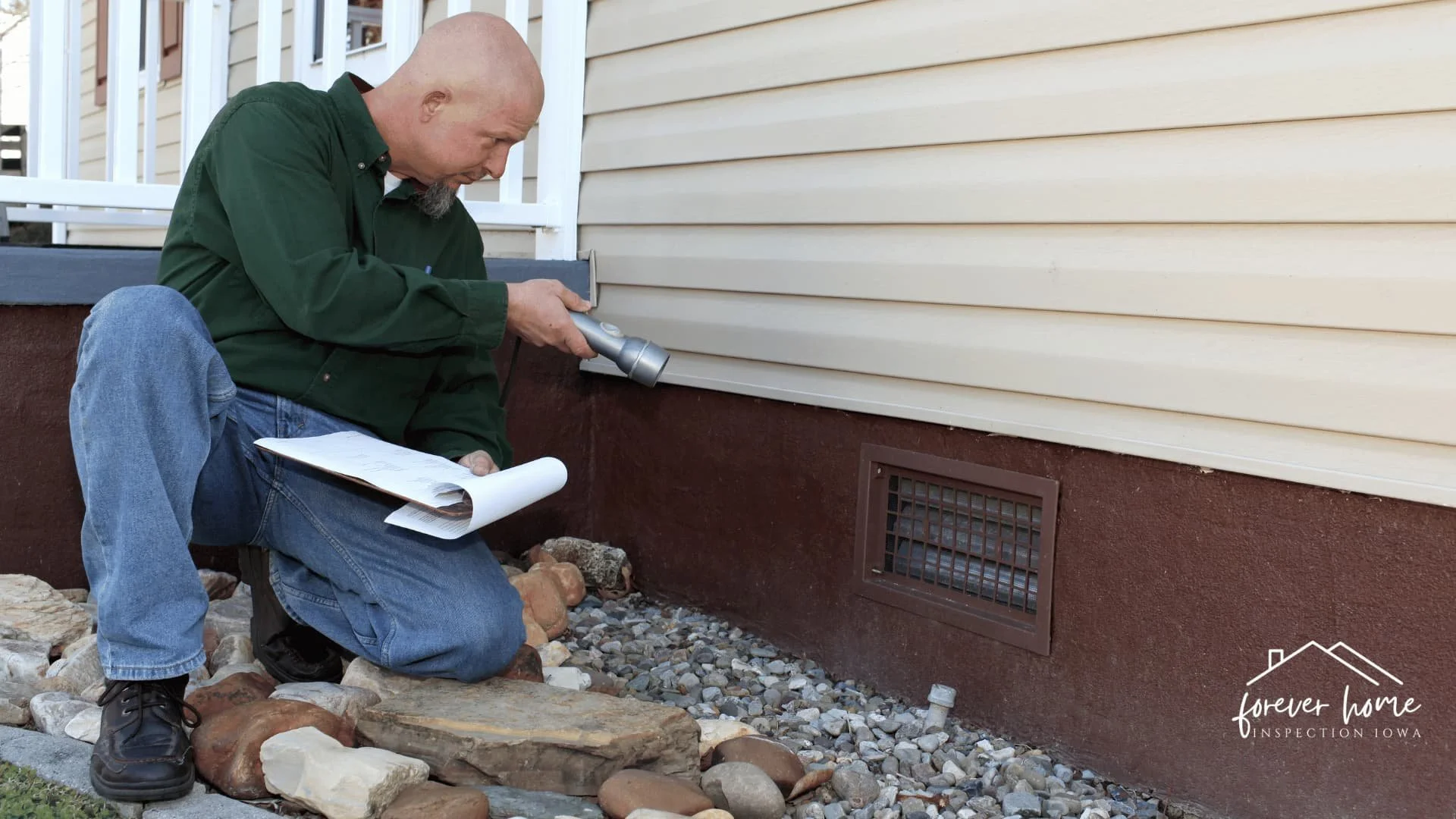
A home inspection typically focuses on several primary areas of the property. The inspector evaluates the roof and attic, including roofing materials, flashing, gutters, insulation, ventilation, and any signs of leaks. The foundation and structure are examined for issues such as wall conditions, piers, settlement cracks, and moisture intrusion. The exterior inspection covers siding, grading, windows, doors, and drainage systems. The HVAC system is assessed, including the furnace, air conditioner, ductwork, as well as the system’s age and maintenance condition. The electrical system is reviewed for the service panel, wiring type, GFCI/AFCI protection, and outlet functionality. The plumbing system is checked for fixture performance, pipe materials, water pressure, and proper drainage. Finally, the interior is inspected, including walls, ceilings, floors, stairs, railings, and egress features to make sure overall safety and functionality.
Home inspectors assess attics, crawl spaces, roofs, and other hard-to-reach areas across the property site for damage or deficiency. They also check for signs of water intrusion or dampness in basements and crawl spaces-a frequent concern given Iowa's clay soils and moisture cycles. Home inspections can reveal hidden issues in properties that aren't visible during a casual showing. Home inspectors should provide clear and detailed reports that use photos and outline problems, and those reports must follow specific standards and be provided to the seller upon request.
Specialized Iowa Inspection Services
Beyond standard home inspections, many Iowa inspectors offer specialized add-on services that complete the picture for buyers and sellers.
Radon testing: Iowa's average indoor radon level is roughly 10.15 pCi/L-well above the EPA action level of 4 pCi/L. All 98 counties sit in EPA Zone 1, the highest risk category. Radon testing is strongly recommended for every home purchase in the state.
Wood-destroying insect inspections: Termite and wood rot risk increases in older homes with wood foundations or porch structures.
Sewer line inspections: Camera-based sewer scope evaluations verify pipe integrity in urban and suburban properties.
Well and septic evaluations: Inspectors should have knowledge of septic and well systems for rural properties in Iowa, covering tank condition, leach field function, and water quality.
Pre-listing inspections: Sellers who inspect before listing can fix problems in advance and present their property with fewer surprises.
Buyers can bundle these home inspection services with the main inspection for more complete due diligence and often save on the inspection fee compared to booking separately.
What to Expect on Your Iowa Home Inspection Day
On inspection day, expect the whole process to take about 2–4 hours. Smaller, newer homes may wrap up closer to two hours; larger or older properties with finished basements and outbuildings can push past three. A home inspection typically lasts 2-4 hours depending on size, age, and condition.
The inspector will move systematically through the property:
Exterior walkaround and grading
Roof evaluation (weather permitting)
Interior rooms, doors, windows
Attic, insulation, and ventilation
Basement and crawlspaces
Major systems: HVAC, electrical, plumbing
Buyers are encouraged to attend the inspection. Walking the house with the inspector lets you see findings in real time, ask questions, and get clear answer during the walkthrough so you better understand future maintenance. That live explanation also reflects the inspector’s home inspection experience in the field. Certified inspectors conduct thorough evaluations of properties, and most clients receive a digital report the same day or by the next business day, with issues summarized by priority: safety first, then repair, then maintenance.
Home Inspections for New Homes and Existing Properties
Even a brand-new home in Iowa benefits from a professional home inspection. Common issues found in new construction include mis-wired outlets, missing insulation, incomplete flashing, and minor finish defects that builders may not catch during their own walkthrough. A pre-drywall or phase inspection during construction-before walls are sealed-gives buyers building in Des Moines and nearby developments the ability to catch deficiencies early.
For older Iowa homes, inspectors frequently document foundation movement, outdated electrical panels, aging HVAC units, and chronic basement moisture. Home inspections can save buyers from expensive future repairs by surfacing these conditions before closing. Whether the property is freshly built or decades old, understanding its condition gives both first-time homebuyers and seasoned investors leverage in negotiations.
How a Thorough Home Inspection Helps You Negotiate
Inspection findings feed directly into the purchase negotiation process. A home inspection report helps in negotiating property prices by documenting exactly what needs attention-and what it may cost. An inspection report enhances negotiating power for buyers, whether the issue is a roof nearing end of life, structural cracks, or a failing furnace.
Buyers can request seller repairs, closing credits, or price reductions based on what the report reveals. Inspectors do not tell clients what to ask for, but they explain conditions clearly with photos so you, your realtor, and your attorney can determine the best path forward. Catching major issues can save thousands of dollars. Sellers who order pre-listing inspections can correct problems in advance and feel confident presenting their home to the market.
Transparent Pricing and Easy Scheduling in Iowa
Iowa home inspection pricing is typically based on square footage, age, and add-on services like radon testing. For a 1,500–2,000 square foot home in the Des Moines area, expect to pay roughly $400–$650 in 2026. Radon testing typically adds about $100 when bundled with the main inspection.
Most inspection companies offer convenient online scheduling that lets clients choose dates and times aligned with real estate contract deadlines. Next-business-day availability matters in fast-moving markets like Des Moines and Iowa City. Zillow provides a directory of home inspectors in Des Moines, IA, which can be a starting point for comparing options before you contact inspectors directly for quotes, availability, or scheduling. Common payment methods include credit card, check, and online invoice-typically due at the time of inspection.
Choosing the Right Home Inspector in Iowa
Don't select an inspector based solely on price. Your inspector's reputation, certification, and thoroughness directly affect the quality of information you receive.
Steps to find the right fit:
Check online reviews. Forever Home Inspection Iowa has over 230 reviews in Des Moines, IA reflecting a strong community presence.
Ask your realtor or real estate professionals for referrals based on past experience with specific inspectors.
Confirm national certifications. Certified inspectors have completed over 1,500 inspections and maintain ongoing education.
Review sample reports to see how detailed and photo-rich the findings are.
Ask about insurance coverage, experience with similar properties, and familiarity with local building practices in Des Moines and beyond.
A responsive inspection team that welcomes questions before and after the inspection shows commitment and adds long-term value and peace of mind. Look for integrity, expertise, and a mission to serve your best interest-not to upsell repairs.

Home Inspectors Serving Iowa
Forever Home Inspection Iowa is a local, certified, and insured company emphasizing ethics and client care. Built on love and loyalty, we ensure every inspection is thoroughly done, which accompanies a highly detailed, digital report and warranty.
We specialize in homebuyer inspections. Primarily serving homebuyers and sellers within 60 miles of the Des Moines, Iowa area, we’re flexible and purposeful in meeting client needs.
Our team operates throughout Central Iowa, ensuring quality inspection services in areas all around the Des Moines metro.
We serve both urban and rural Iowa communities, providing top-notch inspections for both residential and commercial properties.
Our services include surrounding communities like West Des Moines, Ankeny, and others in the region.
Our commitment to comprehensive, dependable inspections extends throughout Central Iowa, ensuring all residents have access to quality inspection services.
We continually strive to meet the diverse needs of Iowan homebuyers and sellers, maintaining excellence in home inspections and helping our fellow citizens across Central Iowa make informed real estate decisions!
How to Schedule Your Home Inspection
Scheduling a home inspection with Forever Home Inspection Iowa is simple and stress-free. Book your inspection online or with a quick phone call— our responsive team makes scheduling easy, a quality our clients and real estate agents consistently appreciate.
We’re not only experts in our field, but qualifying inspections also include a free warranty, adding an extra layer of confidence to your homebuying journey. We’re confident you’ll love partnering with us.
Once scheduled, you’ll receive an email with access to your custom inspection portal, where you can review important documents and complete payment securely. Inspections typically take two to four hours, depending on the size and condition of the property. Every step of the process is designed with your convenience— and peace of mind —in mind!
Reviews From Happy Homebuyers
FAQ: Iowa Home Inspections
How long does a typical home inspection take in Iowa?
Most single-family home inspections in Iowa take about 2–3 hours. Larger or older homes with multiple outbuildings, finished basements, or complex systems may require closer to 4 hours. Weather conditions and ancillary services like radon or sewer line inspections can also affect total appointment time, so plan for flexibility in your schedule.
Do I need a home inspection if I'm buying a newly built home in Des Moines?
Yes. Even new construction in Des Moines and surrounding suburbs can have defects or incomplete work, mis-wired outlets, missing insulation, or improper flashing are common. Buyers should consider both phase inspections during construction and a final home inspection before closing to protect their investment and rest easy about quality.
Is radon really a concern for Iowa homes?
Absolutely. Iowa consistently ranks among states with the highest average indoor radon levels, with over 71% of homes testing above the EPA action level. A radon test is recommended for nearly every home, whether new or old. When high levels are found, mitigation systems can be installed to bring concentrations to safe levels.
Can I attend the home inspection, and should I?
Buyers are strongly encouraged to attend all or part of the inspection. Walking the property with the inspector allows you to see issues firsthand, ask questions in the moment, and better understand future maintenance needs. Most inspectors welcome your presence and will take the time to explain findings as they go.
What happens if major issues are found during the inspection?
Major issues do not automatically kill a deal. They give buyers options: renegotiate the purchase price, request repairs, ask for closing credits, or walk away under certain contract terms. The inspector will not tell you what choice to make but will clearly document conditions so you, your agent, and your attorney can decide the best path forward based on honest, complete information.
Want More?
Check out other posts we’ve written.